




The Tyranny of the Checklist
We’ve all been there. You land in a new city with a meticulously planned, color-coded spreadsheet that accounts for every hour. 8 a.m.: Eiffel Tower. 10 a.m.: The Louvre. 1 p.m.: Lunch near Notre Dame (pre-booked). By day three, the monuments start to
blur, the museums feel like a marathon, and the joy of discovery is replaced by the anxiety of falling behind schedule. This is the hallmark of a washed-out itinerary—one that prioritizes seeing over being. It treats a destination like a series of tasks to be completed rather than a living, breathing place to be experienced. You might come home with a camera roll full of iconic backdrops, but the memories feel thin, lacking the texture of real connection. You’ve successfully skimmed the surface, but you never learned to swim in the local waters. This approach to travel often leaves us more exhausted than rejuvenated, with a lingering feeling that we missed the whole point.
The Cafe as an Anchor Point
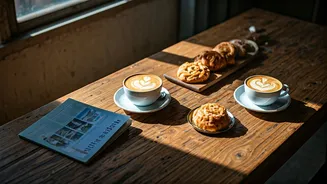
The simplest, most powerful rebellion against the checklist is the humble cafe. It’s not just a place for caffeine; it’s an observation deck for local life. Intentionally building “do nothing” time into your day at a corner cafe is a revolutionary act. Instead of rushing to the next sight, you’re planting yourself in the heart of a neighborhood. You watch how people greet each other, how they dress, the rhythm of their daily routines. It’s where you can overhear a snippet of conversation, pull out a map to reorient yourself without pressure, or simply watch the world go by. That hour spent with an espresso in Rome or a drip coffee in a Seattle neighborhood gives you more insight into the city’s pulse than a guided tour bus ever could. It’s a moment to recharge your feet and, more importantly, your curiosity. It’s a pause that allows for serendipity—maybe the shop across the street looks interesting, or the person at the next table gives you a tip for the best gelato in town. The cafe isn't a time-out from your trip; it’s the main event.
Following Your Fork to the Culture
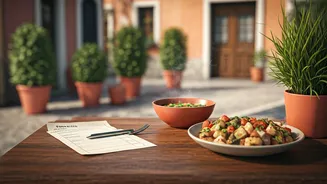
Food is the most accessible form of culture. Yet, so many washed-out itineraries relegate it to a functional necessity—a quick bite grabbed between museums from a tourist-trap restaurant with menus in six languages. To truly fix a hollow travel plan, let your stomach be your guide. Instead of planning your day around monuments, plan it around meals. Make it a mission to find the best local pastry, the most beloved neighborhood soup, or the liveliest public market. Ask a shopkeeper where they go for lunch. Walk an extra ten minutes away from the main square to find the restaurant with no English menu and a crowd of locals. Food tells a story of a place’s history, agriculture, and economy. A simple bowl of pasta in Italy can teach you about regional pride and seasonal ingredients. A taco from a street cart in Los Angeles tells a story of immigration and community. By prioritizing authentic food, you’re not just eating; you’re participating in the culture in a deeply personal and satisfying way. It’s a sensory experience that anchors your memory of a place far more powerfully than another photo of a statue.
Redefining What ‘Culture’ Means
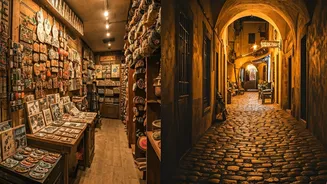
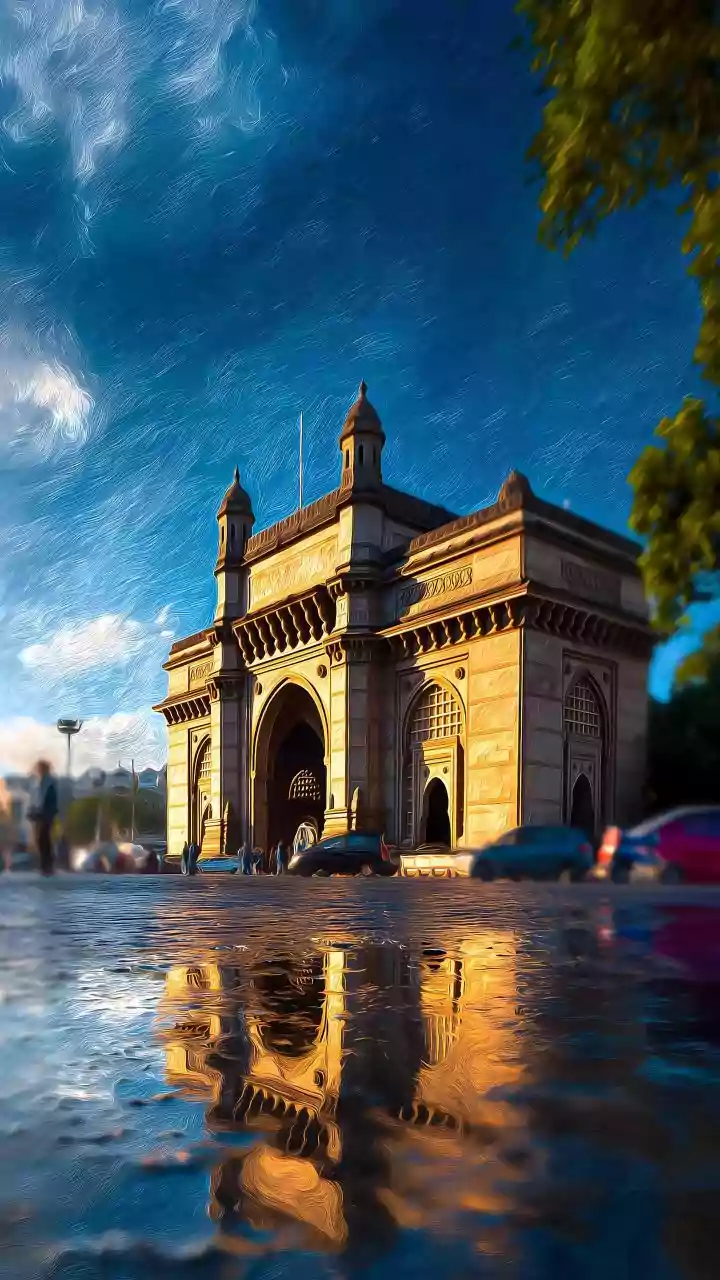
For many travelers, “culture” is a high-minded concept confined to the hushed halls of a museum or the velvet seats of an opera house. While these are vital parts of a city’s identity, they are not the whole story. The most vibrant culture is often found in the everyday. It’s in the design of the subway tickets, the graffiti in a specific neighborhood, the way people queue for a bus, or the games kids play in a public park on a Sunday. Broadening your definition of culture means being present and observant wherever you are. Instead of just visiting the famous art museum, take a walk to admire the local street art. Instead of only seeing a historical monument, spend time in the park across from it and watch how residents use the space. This is culture in motion. It's the living, breathing soul of a city that exists outside of guidebooks. By paying attention to these details, you shift from being a passive consumer of curated experiences to an active observer of a dynamic world.