



Why India's Mountains?
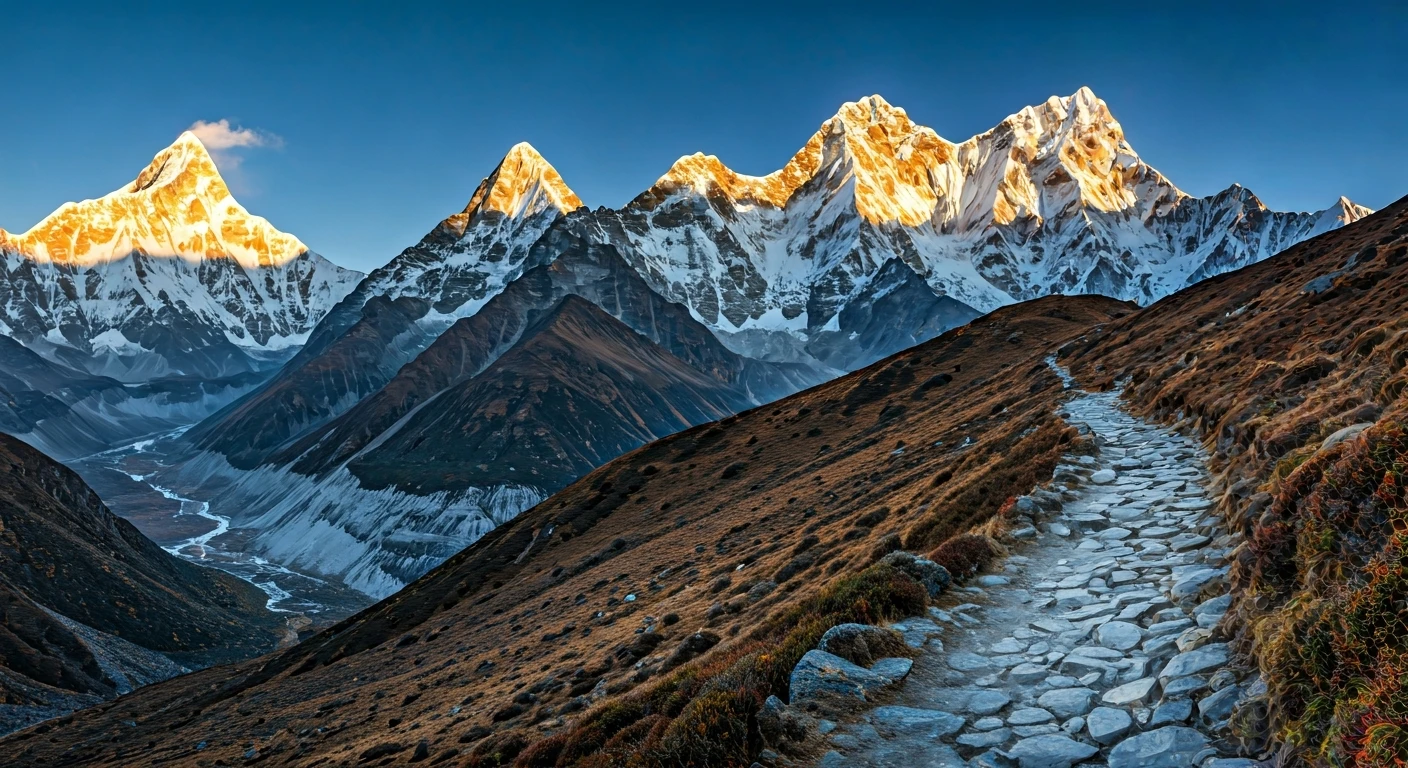
Let's clear the air, literally. When most Americans picture India, they imagine the scorching plains of Rajasthan or the humid backwaters of Kerala. And in summer, they'd be right. But stretch a map of India out and look north. Cradled by the Himalayas—the
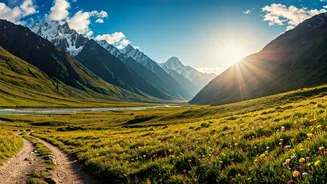
mightiest mountain range on Earth—is a vast region of high-altitude deserts, lush green valleys, and former colonial hill stations that offer a climate completely divorced from the rest of the subcontinent. During the summer months, while Europe and much of the U.S. bake, these areas enjoy mild, sunny days and crisp, cool nights. It’s a combination of stunning landscapes, rich culture, and comfortable temperatures that makes for a perfect, unexpected summer getaway.
Ladakh: For the Adventure Seeker
Often called 'Little Tibet' or 'The Land of High Passes,' Ladakh is a high-altitude desert region in India's far north. Because it sits in a rain shadow, it escapes the summer monsoons that drench other parts of the country, offering clear blue skies from June to September. The capital, Leh, sits at 11,500 feet, where summer temperatures hover in the comfortable 60s and 70s Fahrenheit. The landscape is a surreal canvas of barren mountains, deep blue lakes like Pangong Tso (famous from the movie '3 Idiots'), and ancient Buddhist monasteries clinging to cliffsides. It’s an adventurer's dream, with opportunities for epic road trips, trekking, and white-water rafting. The culture is deeply Tibetan Buddhist, providing a peaceful, spiritual vibe that’s a world away from a crowded beach resort.
Himachal Pradesh: For the Classic Hill Station Vibe
If Ladakh is stark and adventurous, Himachal Pradesh is lush and romantic. This is the heart of India's colonial-era 'hill stations,' towns built by the British to escape the summer heat. The most famous is Shimla, the former summer capital of British India. Here, you can stroll along The Ridge, admire Victorian architecture, and ride the historic Kalka-Shimla 'toy train,' a UNESCO World Heritage site. Further north is Manali, a bustling town nestled in the Kullu Valley, which serves as a gateway to trekking and paragliding. The state is covered in pine forests and apple orchards, with snow-capped peaks framing the horizon. It’s the perfect place to sip chai, enjoy the cool mountain air, and feel like you've stepped back in time.
Uttarakhand: For the Yoga and Wellness Pilgrim
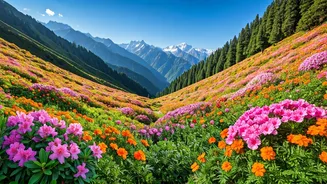
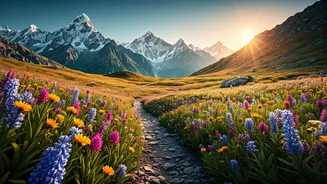
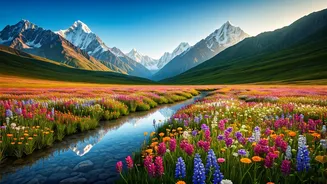
Known as 'Devbhumi' or 'The Land of the Gods,' Uttarakhand is a state deeply rooted in Hindu mythology and spirituality. It’s home to the source of the Ganges River and some of India's most important pilgrimage sites. The town of Rishikesh, famous as the place The Beatles visited in 1968, is a global hub for yoga and meditation. While Rishikesh itself can be warm in early summer, the higher-altitude areas of the state offer a cool respite. Head to places like Mussoorie, another classic hill station, or the wildflower-filled Valley of Flowers National Park for stunning Himalayan scenery and a chance to focus on wellness and rejuvenation. It’s a destination that refreshes the body and the soul.
Sikkim & Darjeeling: For Tea Lovers and Epic Views
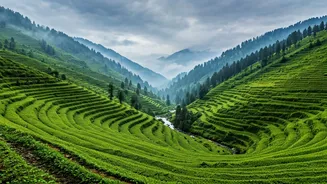
In India's northeast, sandwiched between Nepal and Bhutan, the state of Sikkim and the nearby town of Darjeeling offer a unique cultural flavor and some of the most dramatic mountain views on the planet. Darjeeling, famous for its world-renowned tea, is a charming town with a colonial past and stunning vistas of Kangchenjunga, the third-highest mountain in the world. The Darjeeling Himalayan Railway is another iconic 'toy train' experience. Sikkim is a wonderland of pristine forests, alpine lakes, and vibrant monasteries. While this region does experience the monsoon, the summer months bring misty, atmospheric landscapes, and the rains often come in predictable afternoon bursts, leaving mornings clear for exploration. It's a less-traveled but incredibly rewarding corner of cool-weather India.