

The Science of Summer Cravings
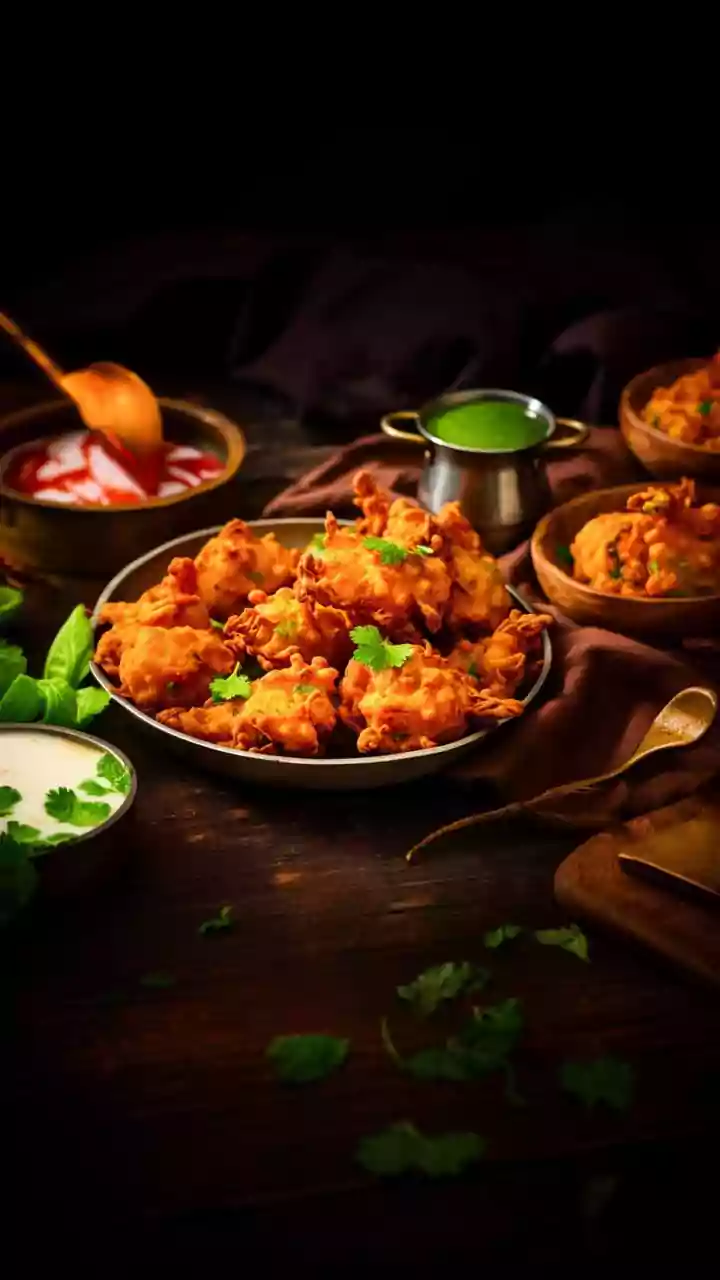
Our bodies are smarter than we often give them credit for. In hot weather, our primary goal is to maintain a stable internal temperature, a process called thermoregulation. Digesting food is an energy-intensive activity that generates heat. Heavy, high-fat,
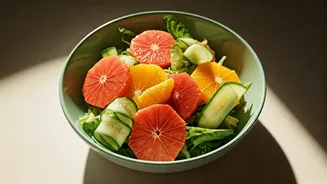
and protein-rich meals require more metabolic energy to break down, which can literally make you feel hotter from the inside out. This is why a double cheeseburger and fries might sound incredible in October but deeply unappealing in July. In response, our appetites naturally suppress slightly in the heat, guiding us toward lighter fare. Tangy and acidic flavors—from citrus, vinegar, and fermented foods—play a crucial role here. They act as a natural palate cleanser, cutting through the lethargy of a hot day and stimulating saliva production, which not only aids digestion but also makes food taste brighter and more appealing when our appetite is lagging.
Hydration and Refreshment
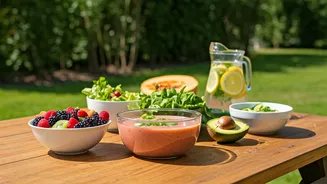
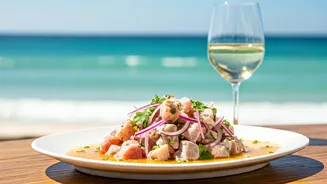
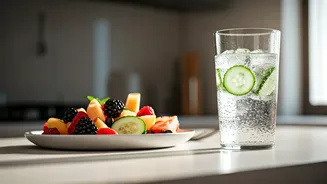
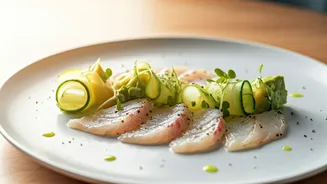
Greasy foods often come with a high sodium content, which can contribute to dehydration—the last thing anyone needs during a heatwave. While a salty pretzel can be great for electrolyte replacement after a sweat session, a consistently heavy, greasy diet can leave you feeling sluggish and thirsty. Many classic tangy summer dishes, on the other hand, are built around hydration. Think of gazpacho, a cold soup bursting with fresh tomatoes, cucumbers, and peppers. Or consider ceviche, where fish is 'cooked' in lime juice, a dish that is inherently light and hydrating. These meals often incorporate water-rich fruits and vegetables, delivering both flavor and much-needed fluids. The zesty kick from a vinaigrette on a salad or the squeeze of a lime over grilled fish provides a sensation of coolness and refreshment that a rich, creamy sauce simply cannot match.
Embrace Citrus and Vinegar
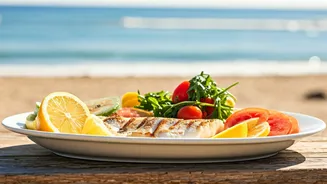
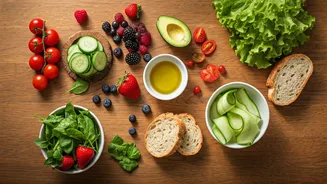
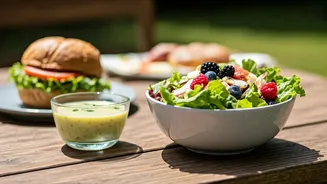
The easiest way to introduce tang into your summer cooking is with citrus and vinegar. A simple vinaigrette made with olive oil, lemon juice or red wine vinegar, a dab of mustard, and a pinch of salt can transform any pile of greens, grilled vegetables, or grain bowl into a vibrant meal. Marinades are another powerful tool. Instead of a heavy BBQ sauce, try marinating chicken, fish, or tofu in a mixture of lime juice, garlic, cilantro, and olive oil before grilling. The acid not only tenderizes the protein but also imparts a zesty flavor that sings of summer. Even a final squeeze of lemon or lime over a finished dish can wake everything up, providing that perfect, bright counterpoint to smoky, charred flavors from the grill.
Explore Fermented Flavors
Fermentation is another fantastic source of complex, tangy notes. While you might associate fermented foods with a heavy winter stew, they shine in lighter applications. Think of a bright, crunchy kimchi slaw served alongside grilled pork, or the tangy funk of yogurt-based sauces like Greek tzatziki or Indian raita, which are specifically designed to cool the palate. Cold soba or somen noodles tossed in a dressing with a splash of rice vinegar and soy sauce become an instant, satisfying meal that won't weigh you down. Even a simple side of pickles or sauerkraut can add a crucial acidic bite that helps cut the richness of a sausage or a piece of cheese, making the entire plate feel more balanced and summery.
Global Inspiration for Tangy Meals
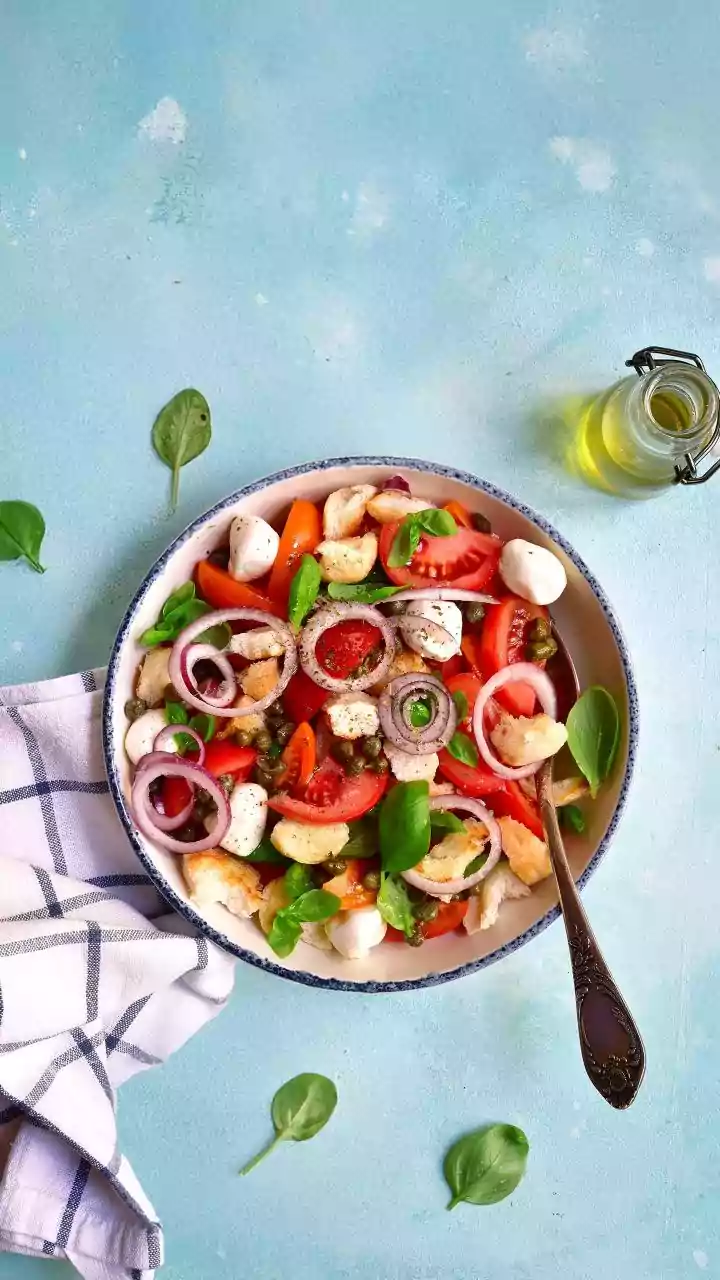
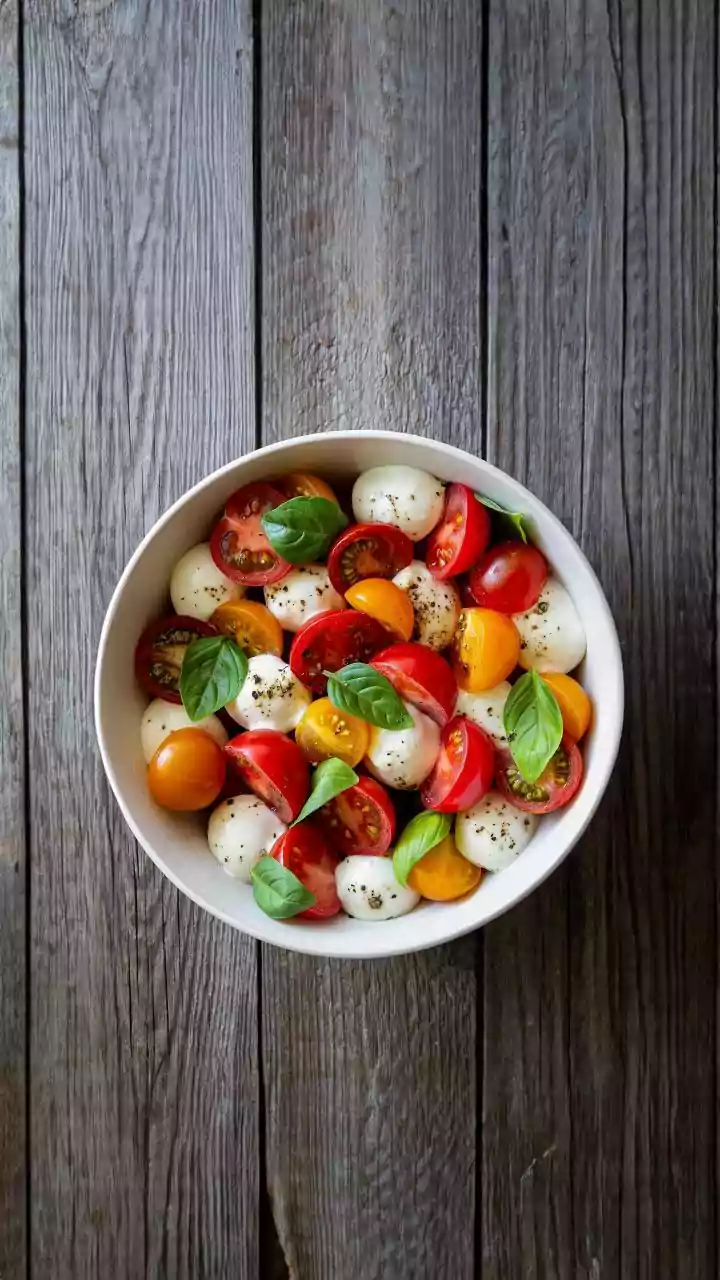
Cultures in the world’s hottest climates have perfected the art of tangy summer eating. Look to Latin America for ceviche and aguachile, where seafood is bathed in sharp, spicy citrus juices. In Southeast Asia, you’ll find green papaya or mango salads (like Thai som tam) that masterfully balance sweet, sour, spicy, and salty flavors. Mediterranean cuisine relies heavily on lemons, tomatoes, and olives to create dishes like Greek salad or Italian panzanella (bread salad) that are both satisfying and incredibly refreshing. Drawing inspiration from these culinary traditions is a surefire way to expand your repertoire of meals that are not just delicious, but perfectly suited for the season.