

Beyond the Usual Suspects
For decades, the American snack aisle has been a predictable landscape, dominated by a handful of titans. You knew what you were getting: the same few flavors of potato chips, the same chocolate bars, the same orange cheese dust. But look closer these
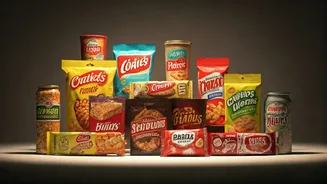
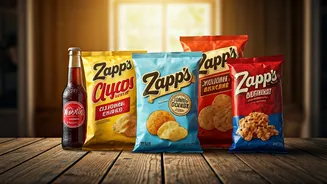
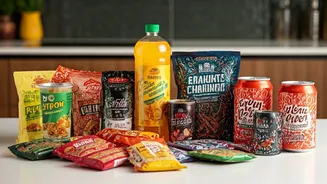
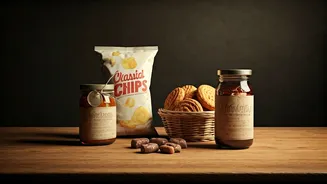
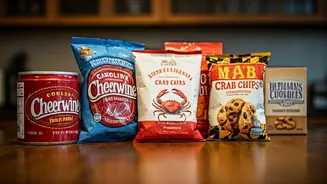
days, and you’ll see the terroir of American snacking re-emerging. It’s the bright red bag of Zapp’s Voodoo chips from Louisiana, the unmistakable tang of a Cheerwine soda from North Carolina, or the savory magic of Utz’s crab-seasoned potato chips, a taste once confined to the Chesapeake Bay area. These aren't new products. They're local heroes, brands deeply woven into the fabric of a specific place, that are suddenly finding a national audience. This isn't just about food; it's a cultural shift. We're moving away from a homogenized national palate and rediscovering the delicious, quirky, and fiercely defended flavors that make a place unique.
The TikTok-to-Pantry Pipeline
So, what’s fueling this comeback? More than anything, it’s the internet. Social media platforms like TikTok and Instagram have become a virtual flavor exchange, turning hyper-local favorites into viral sensations. A food blogger in Baltimore posts a video crunching into crab chips, and suddenly thousands of people in California are asking, “Where can I get those?” A homesick college student from Michigan waxes poetic about the singular perfection of Better Made potato chips, and a national conversation starts. Before the internet, a snack's fame spread slowly, by word-of-mouth or when people moved and brought a taste of home with them. Now, a 30-second video can give a regional brand more exposure than a multi-million dollar ad campaign. This digital word-of-mouth bypasses traditional distribution gatekeepers, creating direct-to-consumer demand that forces bigger retailers to take notice and stock their shelves with these once-niche items.
A Craving for Comfort and Authenticity
The pandemic and its aftermath also created a powerful psychological hunger for comfort and connection. In a time of uncertainty, we reached for the familiar. For many, that meant the foods of their childhood—the specific brand of mayonnaise their grandma used, or the soda they only got at family reunions. Duke's Mayonnaise, a southern institution with a cult-like following for its sugar-free tang, saw its profile explode nationally as people sought out higher-quality, authentic ingredients while cooking at home. This craving for authenticity isn’t just about nostalgia; it’s a quiet rejection of mass-produced sameness. A regional snack comes with a story. It’s tied to a place, a history, a community. Buying a bag of Old Dutch dill pickle chips in the Midwest isn't just a transaction; it's a small act of participating in a local tradition, even if you’re doing it from a thousand miles away.
The Badge of Regional Pride
Ultimately, these snacks are more than just food—they are edible emblems of identity. Arguing about whether Utz, Herr's, or Snyder of Berlin is the superior Pennsylvania chip brand is a time-honored tradition. Defending the unique cherry-adjacent flavor of Cheerwine is a point of pride for any Carolinian. In San Francisco, the It's-It ice cream sandwich—oatmeal cookies sandwiching vanilla ice cream and dipped in chocolate—is a beloved institution. As these products travel, they carry their region's identity with them. For those who have moved away, finding a taste of home in a new city is a profoundly comforting experience. For everyone else, it’s a low-stakes, delicious way to travel and connect with another part of the country. It’s an invitation to understand a place not just by its landmarks, but by its flavors.