

The Journey is the Destination
Forget smooth highways and predictable rest stops. The journey to Chandratal is an adventure in its own right, a rite of passage that filters out the casual tourist. Located in the high-altitude Spiti Valley of Himachal Pradesh, a cold desert often compared
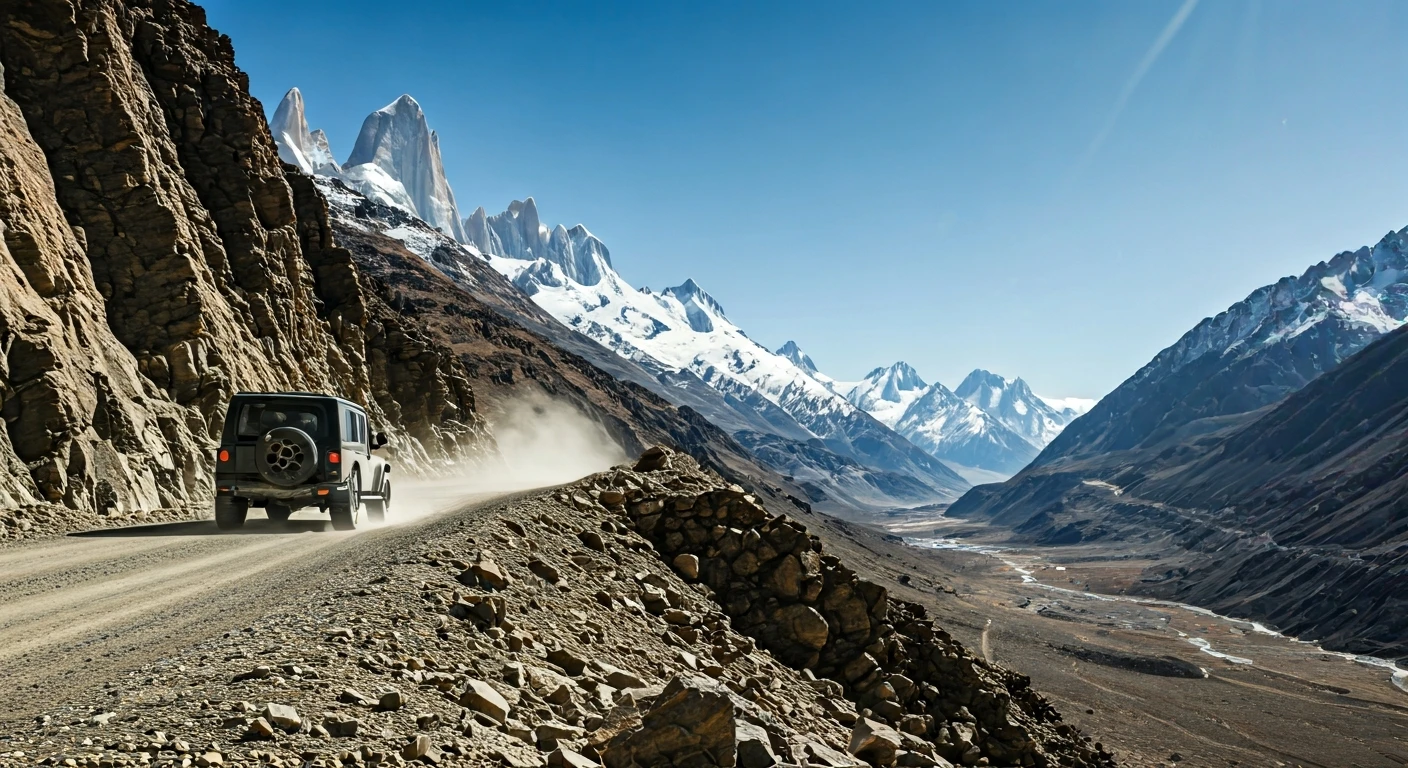
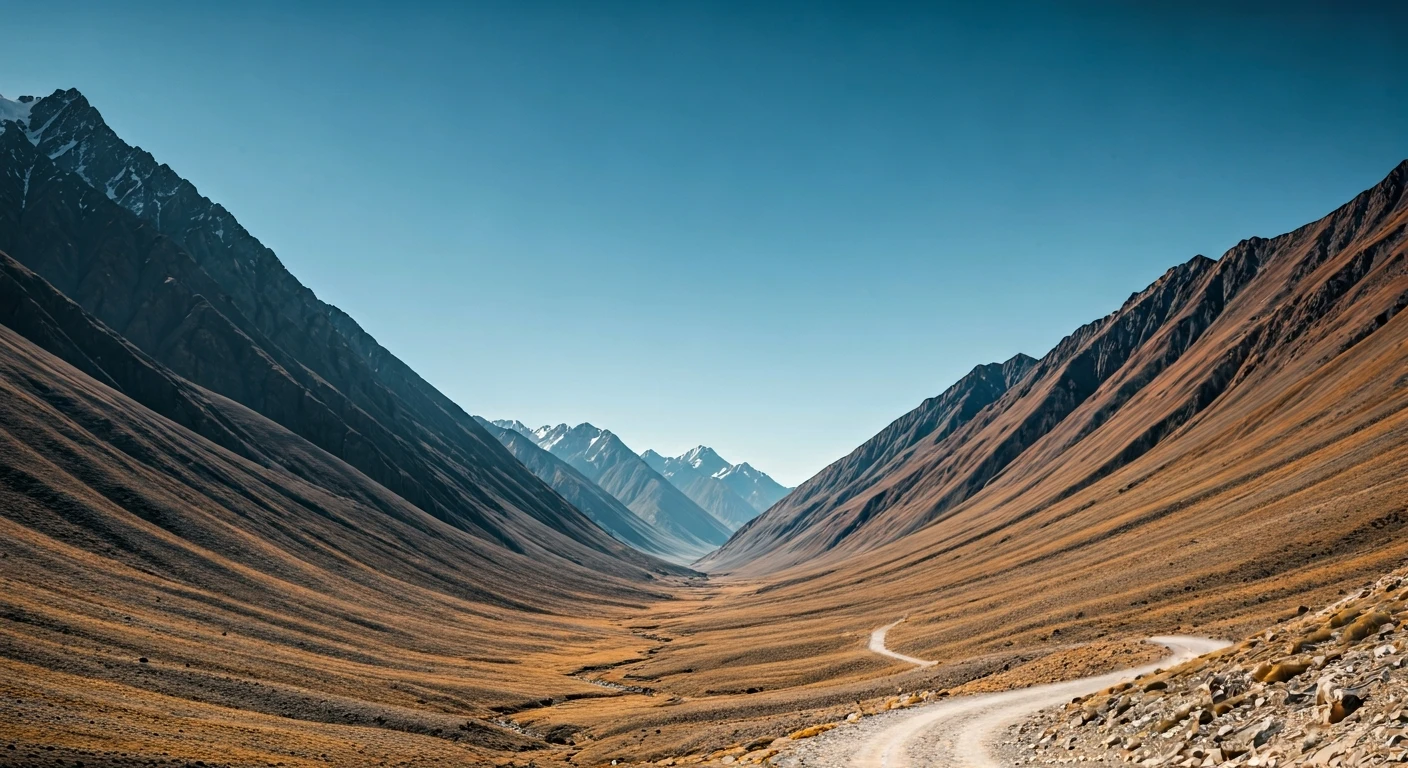
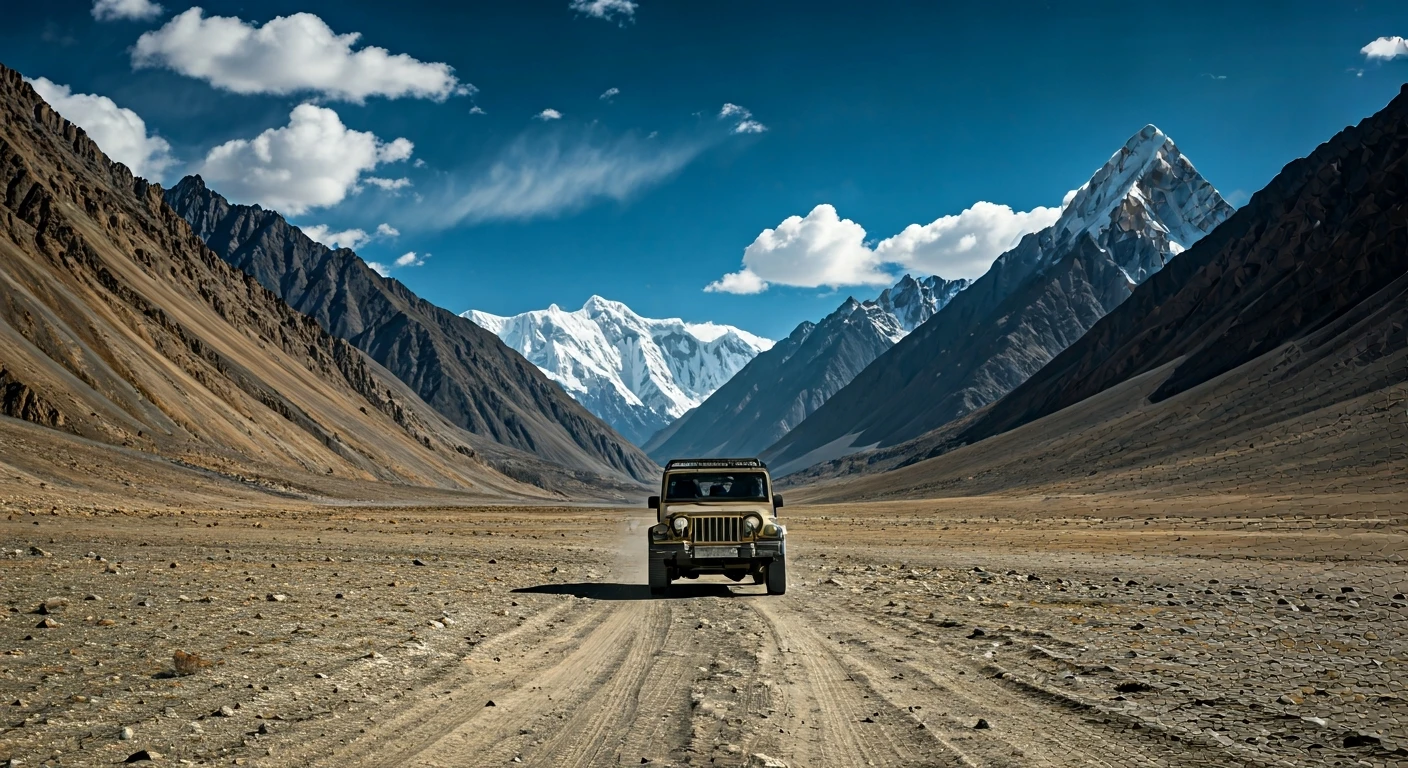
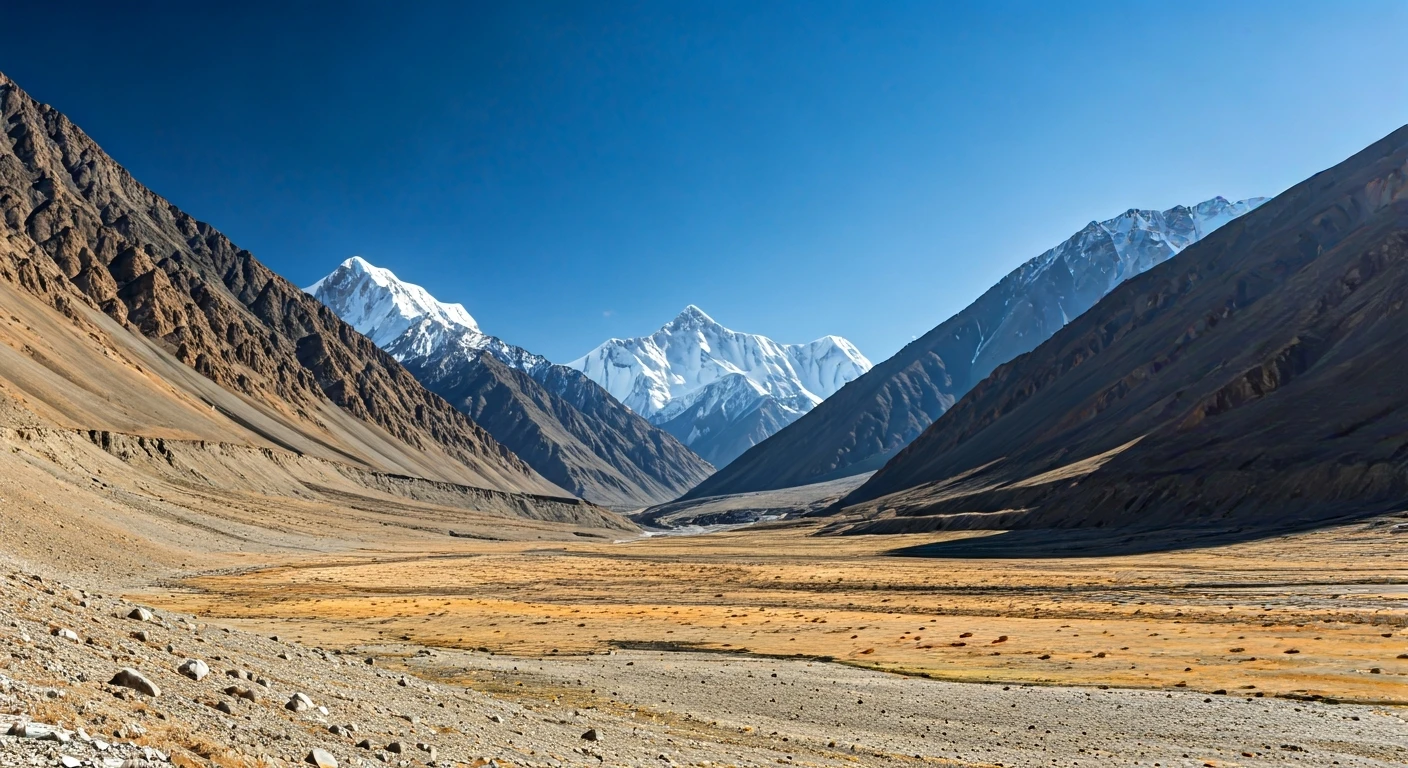
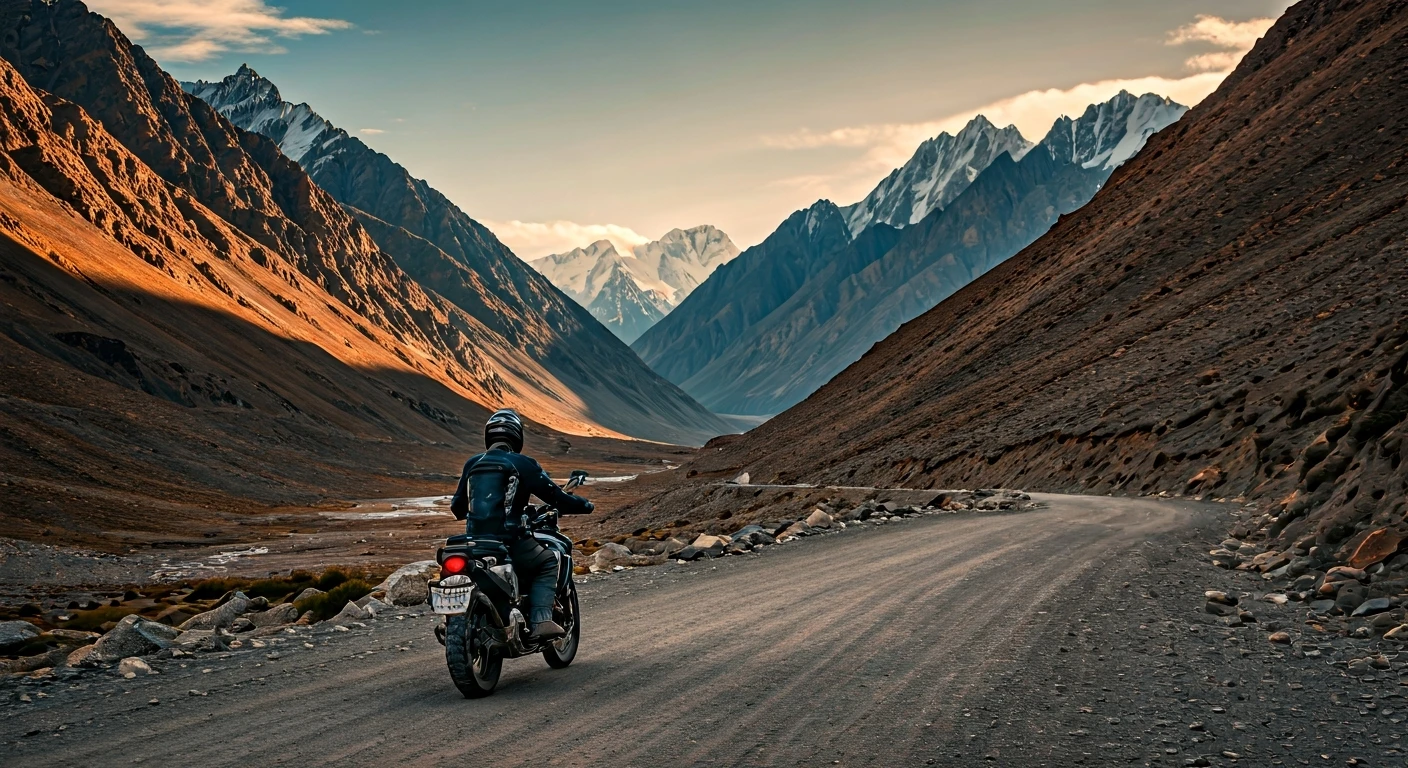
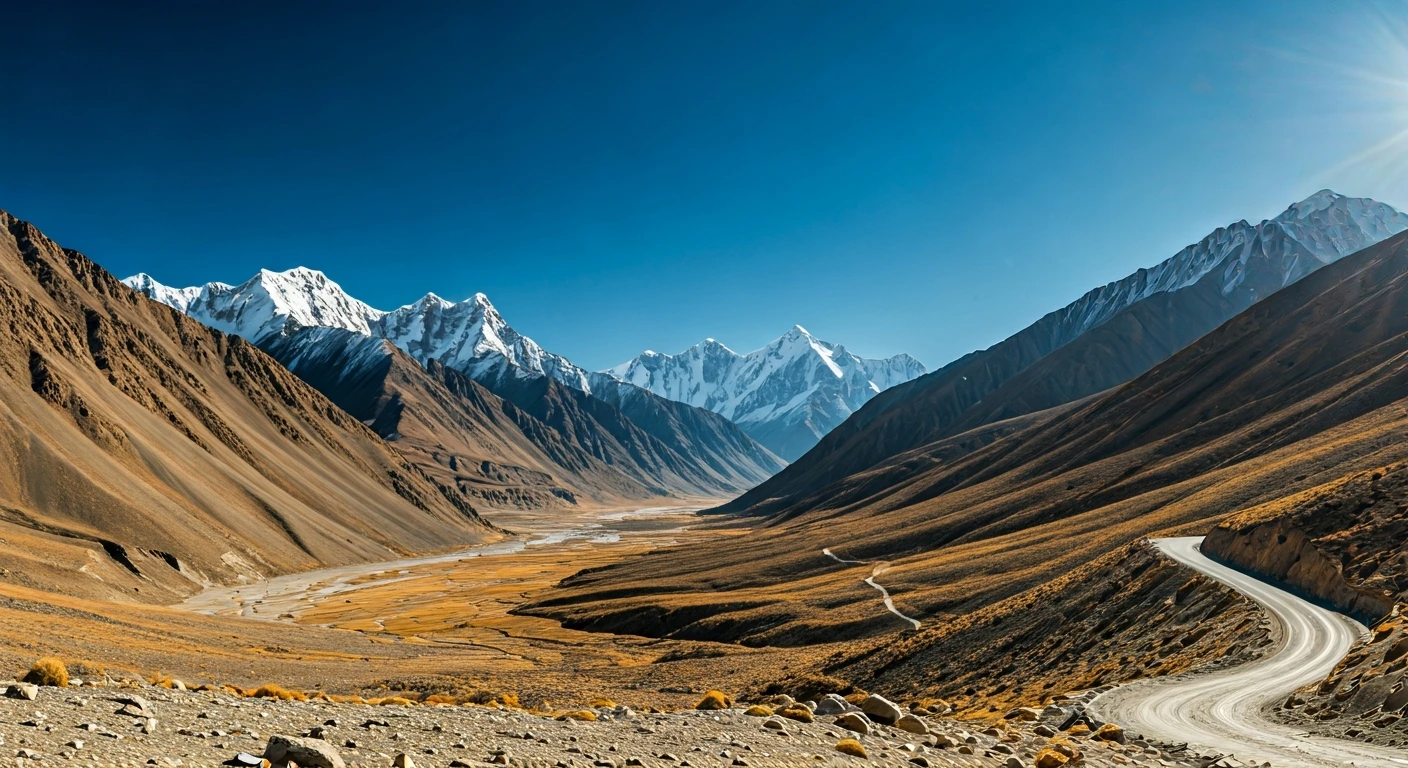
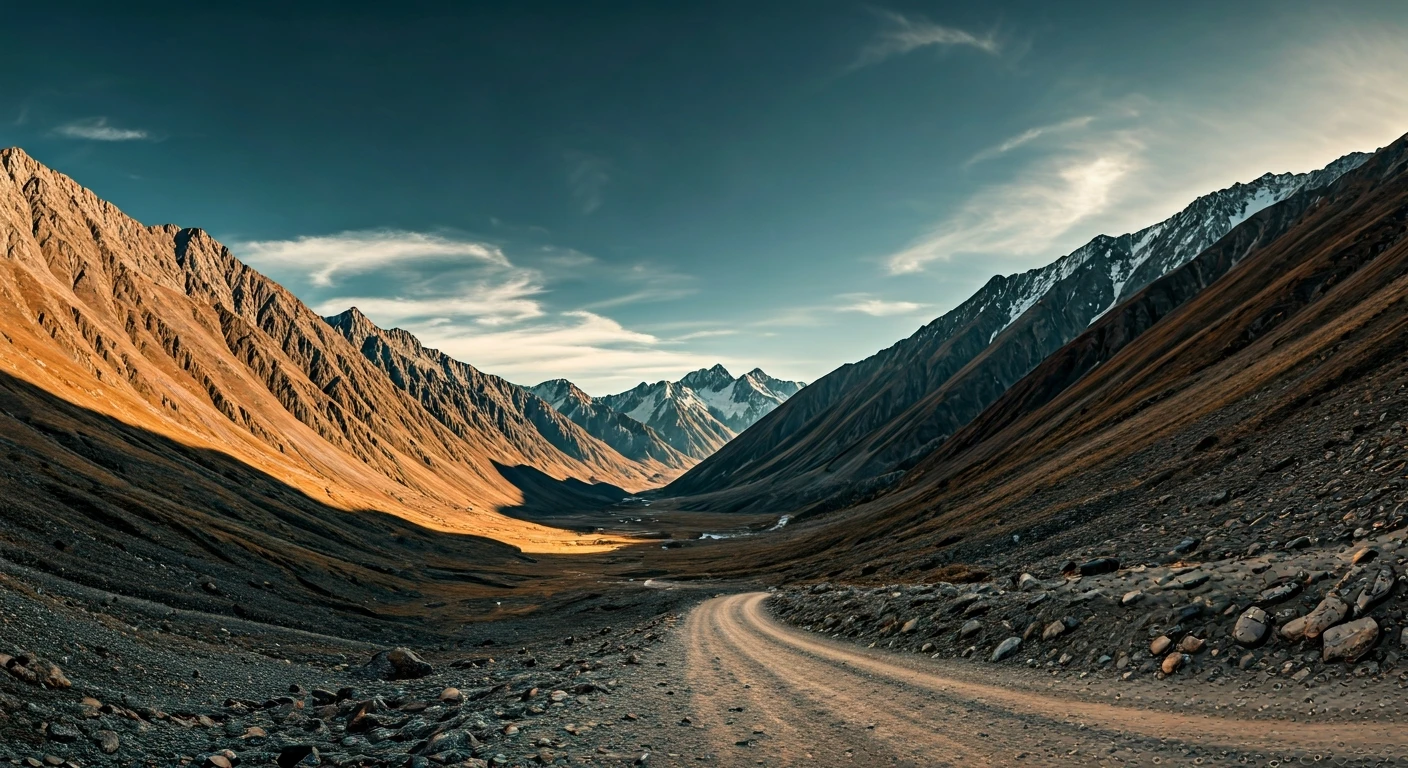
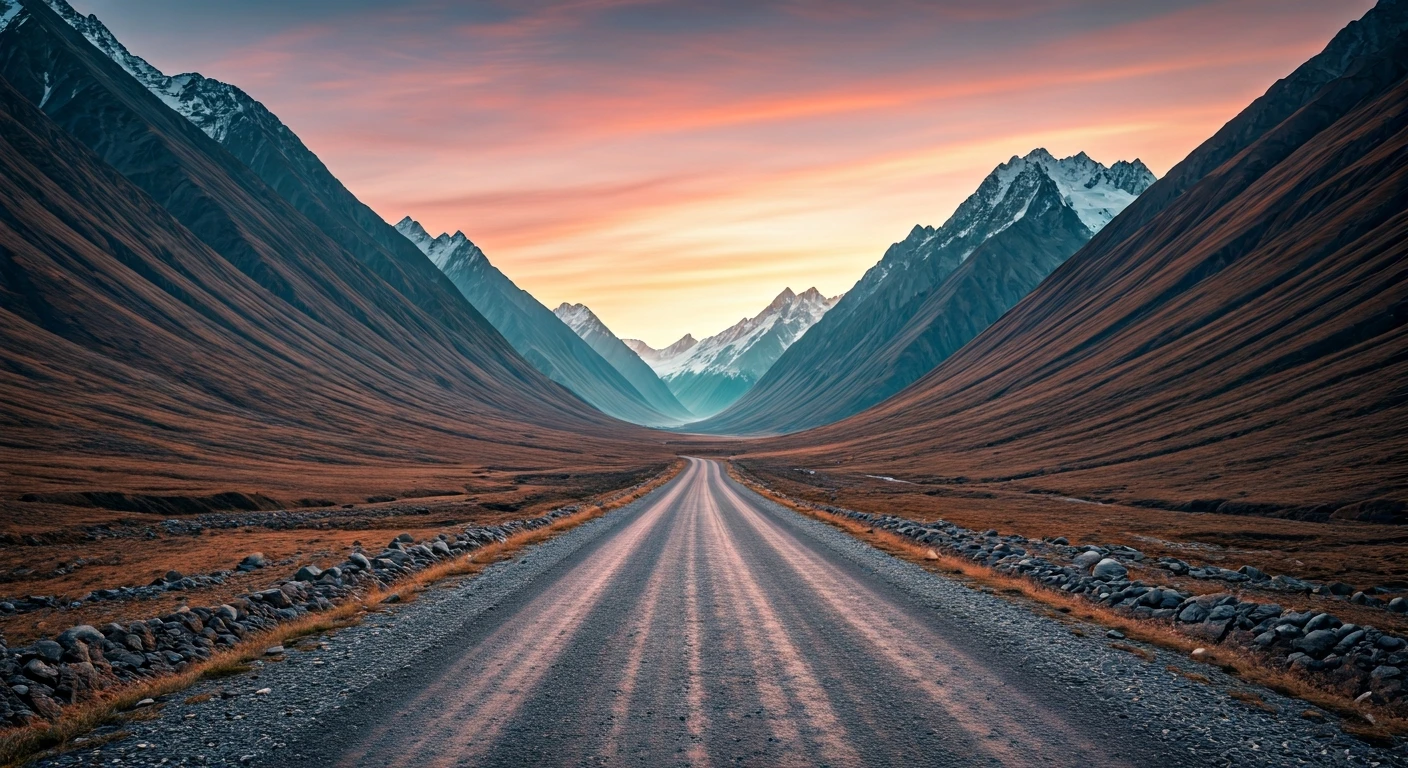
to Tibet, the lake is profoundly remote. Travelers typically approach from one of two directions, each a gauntlet of nature’s might. From Manali, the route involves crossing the treacherous Rohtang and Kunzum passes—often snow-covered even in summer—and navigating unpaved roads with bone-rattling patches and glacial melts that turn into impromptu rivers. From the Spiti hub of Kaza, the drive is slightly less harrowing but no less dramatic, tracing the river through a landscape of serrated peaks and barren slopes. This isn't just about getting from point A to B; it's about earning the view. Every bump, every heart-stopping glance into the valley below, builds anticipation for the prize at the end.
First Sight of the Moon Lake
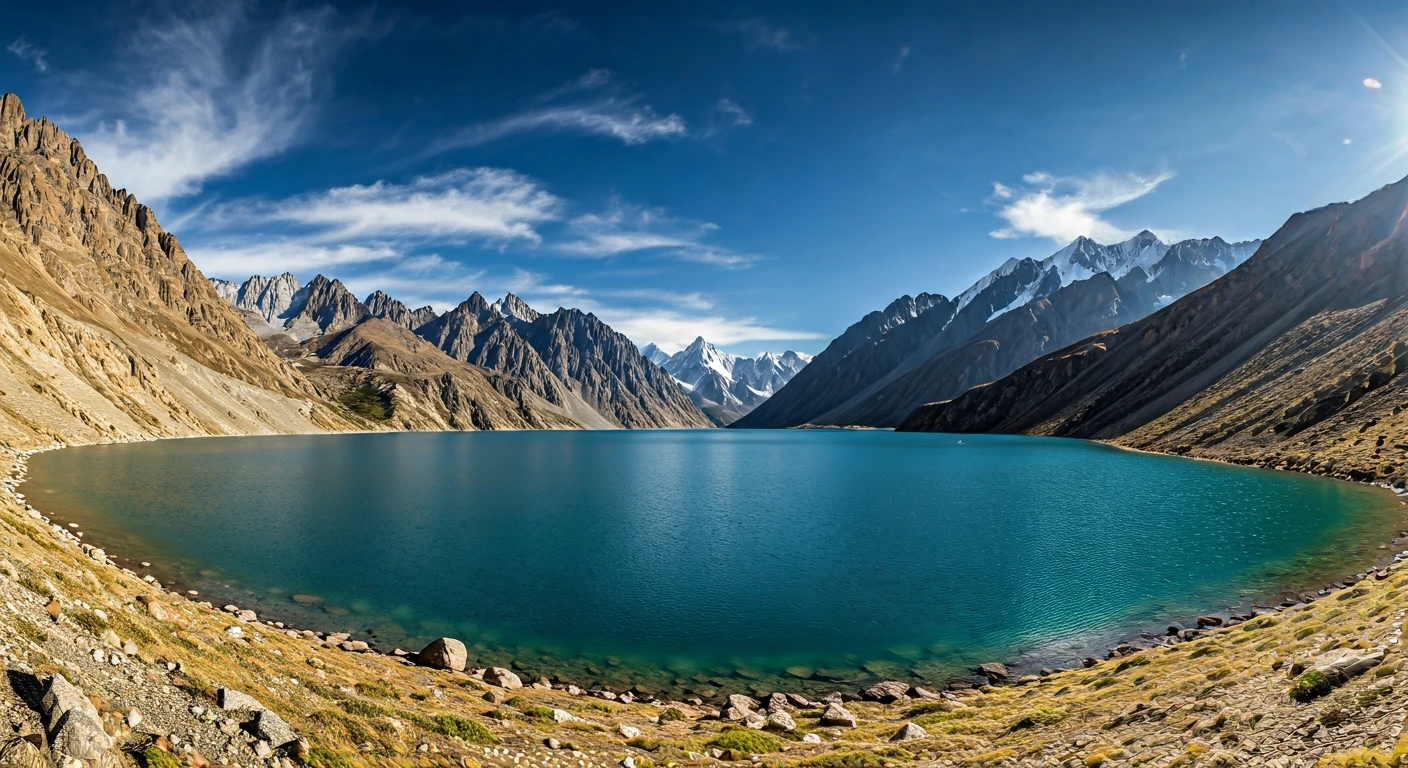
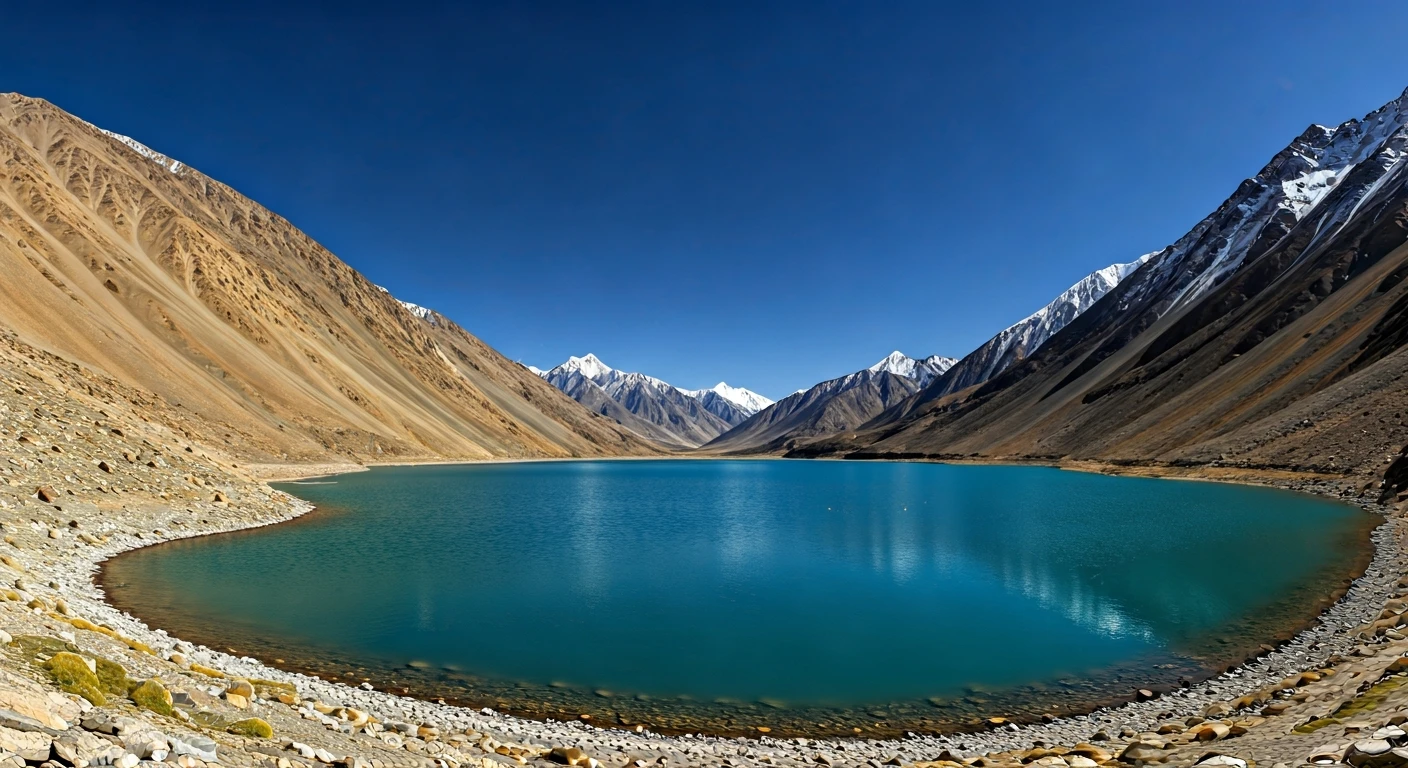
After the demanding drive, a final short trek is required. You walk over a small rise, lungs burning from the altitude (around 14,100 feet), and then you see it. Chandratal, the “Lake of the Moon,” is an almost surreal splash of color in an otherwise stark, monochromatic world. The name is perfectly chosen. The crescent-shaped lake sits in a wide basin, its waters shifting from brilliant turquoise to deep emerald green as the sun and clouds dance across the sky. Surrounded by scree slopes and snow-dusted peaks, the lake’s stillness is profound. There are no boats, no commercial structures, just the raw, silent beauty of the Himalayas. The sheer contrast between the rugged, dusty journey and the serene, jewel-toned destination is what first takes your breath away—if the thin air hasn’t already.
Why They Get Hooked
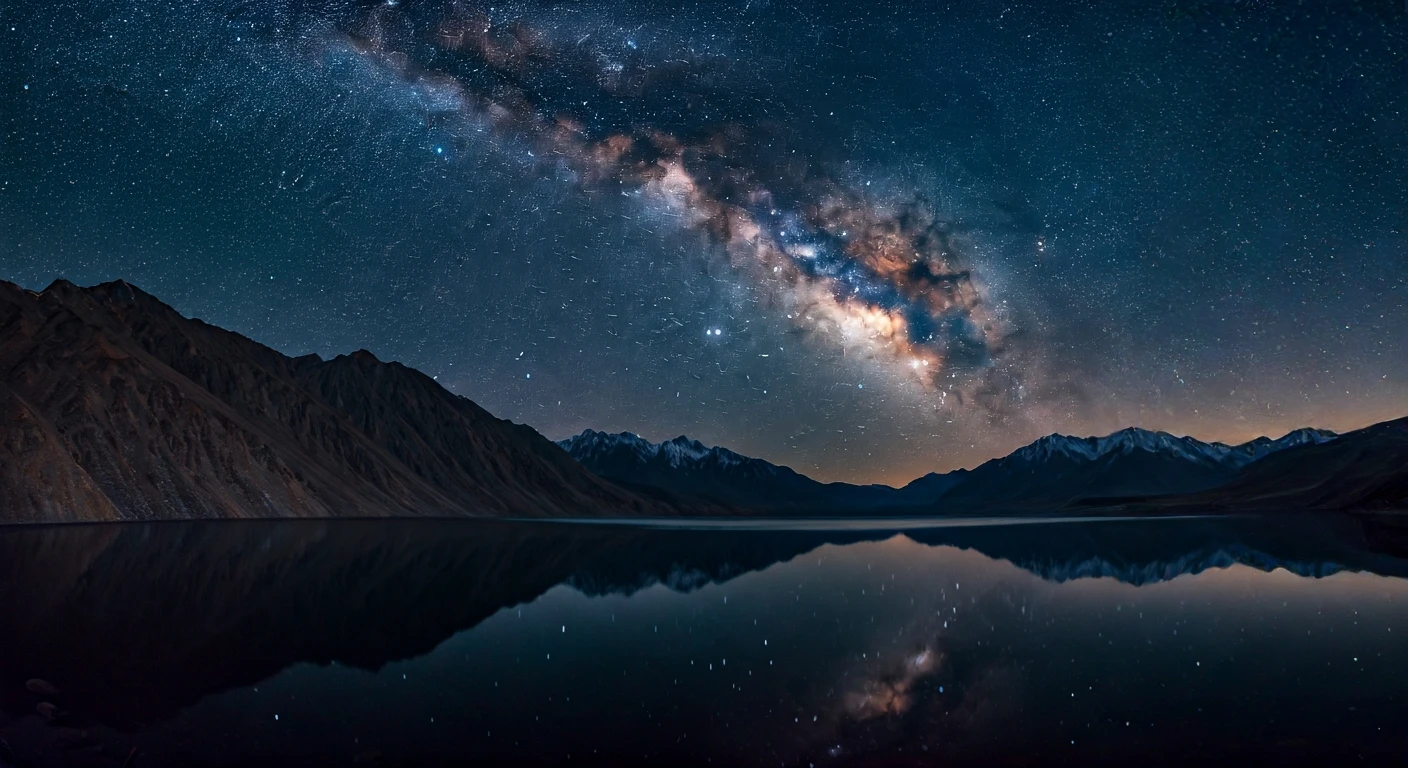
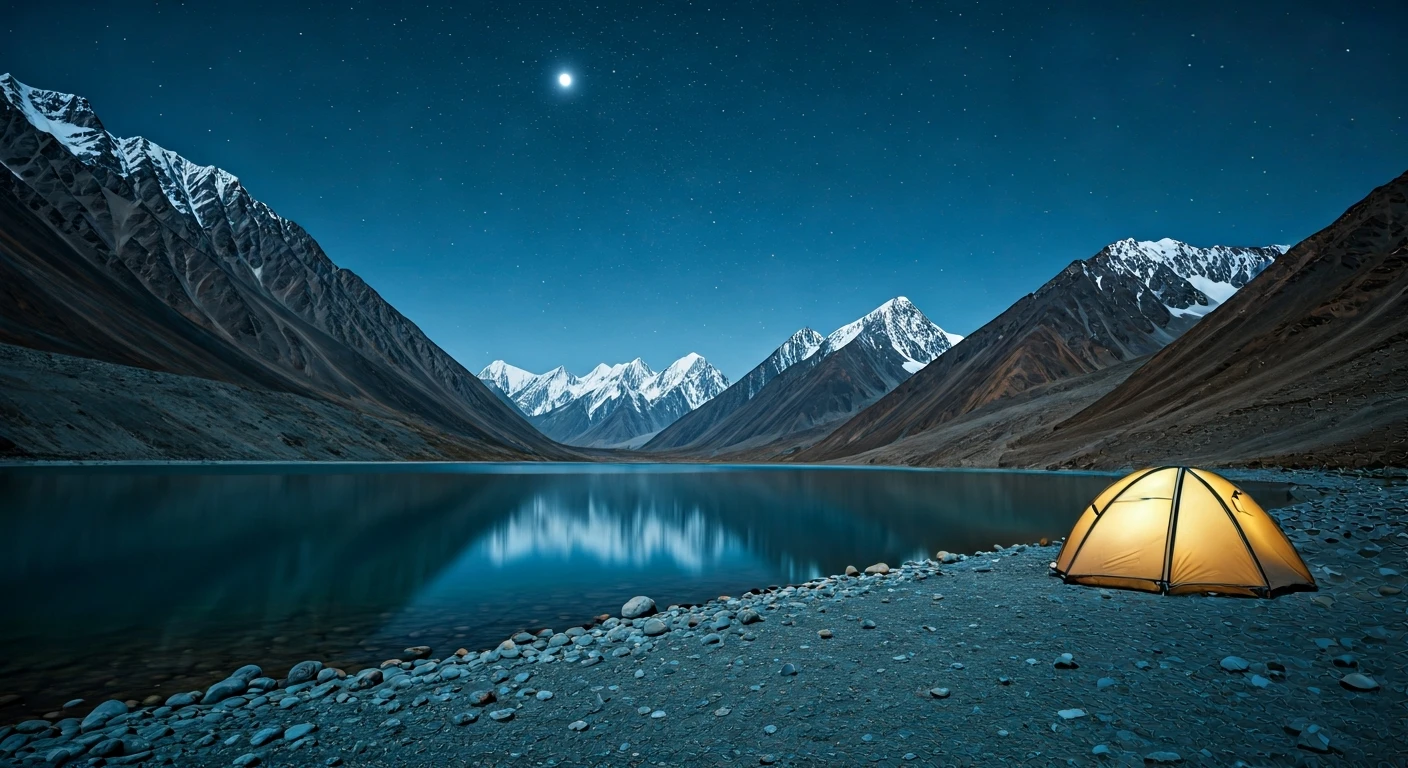
The beauty is undeniable, but it’s the feeling of the place that truly hooks the adventure crowd. Chandratal isn't a passive viewpoint; it’s an immersive experience. To protect its fragile ecosystem, camping is no longer permitted on its immediate banks. Instead, campsites are set up a couple of miles away, preserving the lake's tranquility. This means evenings are spent in a nearby tented camp, sharing stories with fellow travelers from around the world who also braved the journey. As dusk falls, the temperature plummets, and the sky puts on a show that city dwellers can only dream of. With zero light pollution, the Milky Way arcs across the heavens in breathtaking detail. It’s this combination—the physical accomplishment of reaching the lake, the spiritual quietude of its shores, and the communal magic of a night under the Himalayan stars—that creates a deep, lasting connection.
The Crown Jewel of Spiti
Chandratal isn't an isolated wonder; it's the crown jewel of the larger Spiti Valley experience. The entire region is a magnet for those seeking landscapes and culture untouched by mass tourism. Spiti is a world of ancient, cliffside monasteries like Key and Dhankar, villages that seem frozen in time, and a resilient populace living by the tenets of Tibetan Buddhism. Travelers who come here are not looking for luxury resorts. They're seeking disconnection, challenge, and a genuine sense of exploration. Chandratal represents the pinnacle of that quest. It’s the postcard image that draws people in, but it’s the spirit of the entire valley—its remoteness, its culture, its raw power—that makes the journey unforgettable. The lake becomes the focal point of a trip that is less a vacation and more a modern-day expedition.