


The Limits of the Watermelon Slice
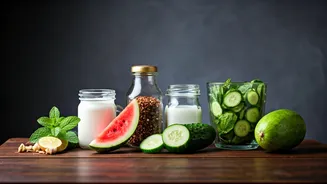
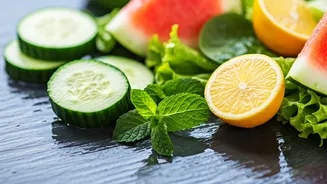
The advice isn’t wrong, just incomplete. Yes, watermelon, cucumbers, and celery are packed with water and can contribute to hydration. But treating them as a silver bullet for triple-digit heat is like bringing a garden hose to a wildfire. This 'wellness'
framing reduces a critical public health strategy to a low-stakes lifestyle choice. It focuses on single, often expensive, 'superfoods' while ignoring the bigger picture of how our bodies actually cope with thermal stress. True heat-resilient eating is about systems, not just snacks. It’s about understanding the physiological demands the heat places on you—depleting electrolytes, taxing your digestive system, and demanding more energy for cooling—and eating in a way that supports your body’s hard work.
Your Body Under Thermal Stress
To understand how to eat for heat, you need to understand what heat does to you. Your body’s primary cooling mechanism is sweating. As sweat evaporates, it cools your skin. But this process comes at a cost. You’re not just losing water; you’re losing crucial electrolytes like sodium and potassium. When these minerals fall out of balance, you risk muscle cramps, dizziness, and fatigue—early signs of heat exhaustion. Furthermore, digestion itself generates heat. A heavy, high-fat, or high-protein meal forces your body to work harder, increasing your internal temperature at the very moment you need to be cooling down. Finally, sugary drinks and alcohol are deceptive; they can be profoundly dehydrating, accelerating the very problem you’re trying to solve. Thinking about food during a heatwave isn’t about indulgence; it’s about managing a significant physiological burden.
Wisdom From Hotter Climates
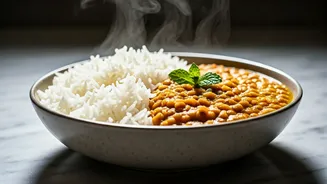
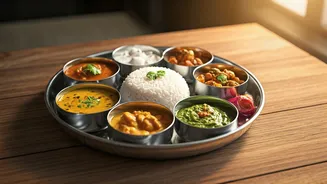
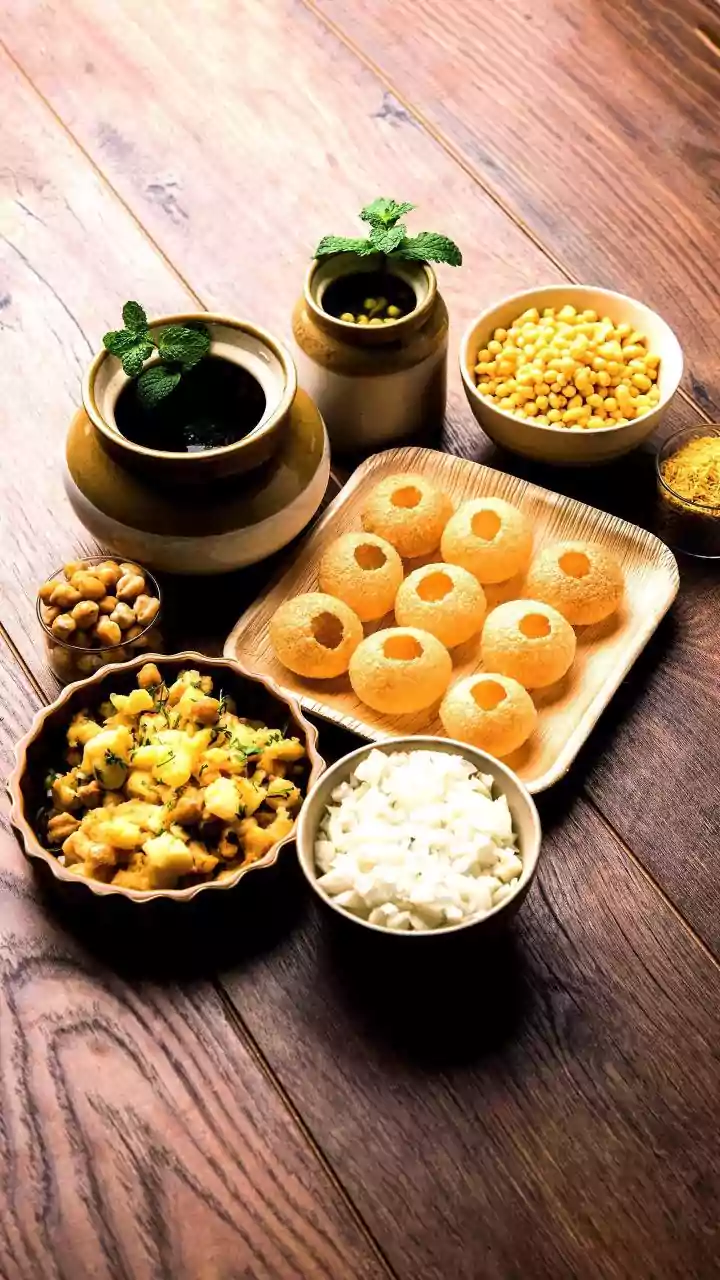
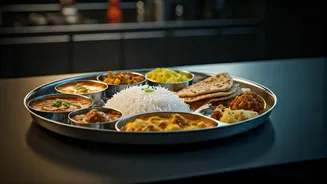
For a masterclass in heat-survival eating, we can look to cultures that have thrived in hot climates for centuries. It’s no coincidence that many of these cuisines feature dishes that seem counterintuitive to the American 'ice-cold' mindset. Think of the hot soups like gazpacho's lesser-known warm cousins in Spain, or the spicy curries of India, or the searingly hot bowls of pho in Vietnam. Spicy foods can induce sweating (a process called gustatory sweating), which helps cool the body as the sweat evaporates. Many traditional diets also feature heavily salted foods and drinks, like the yogurt-based lassi or ayran, which are designed to replenish the sodium lost through sweat. These are not trendy hacks; they are time-tested culinary traditions built for resilience, emphasizing hydrating meals, electrolyte replacement, and manageable digestion.
Building a Heat-Resilient Plate
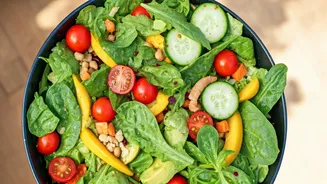
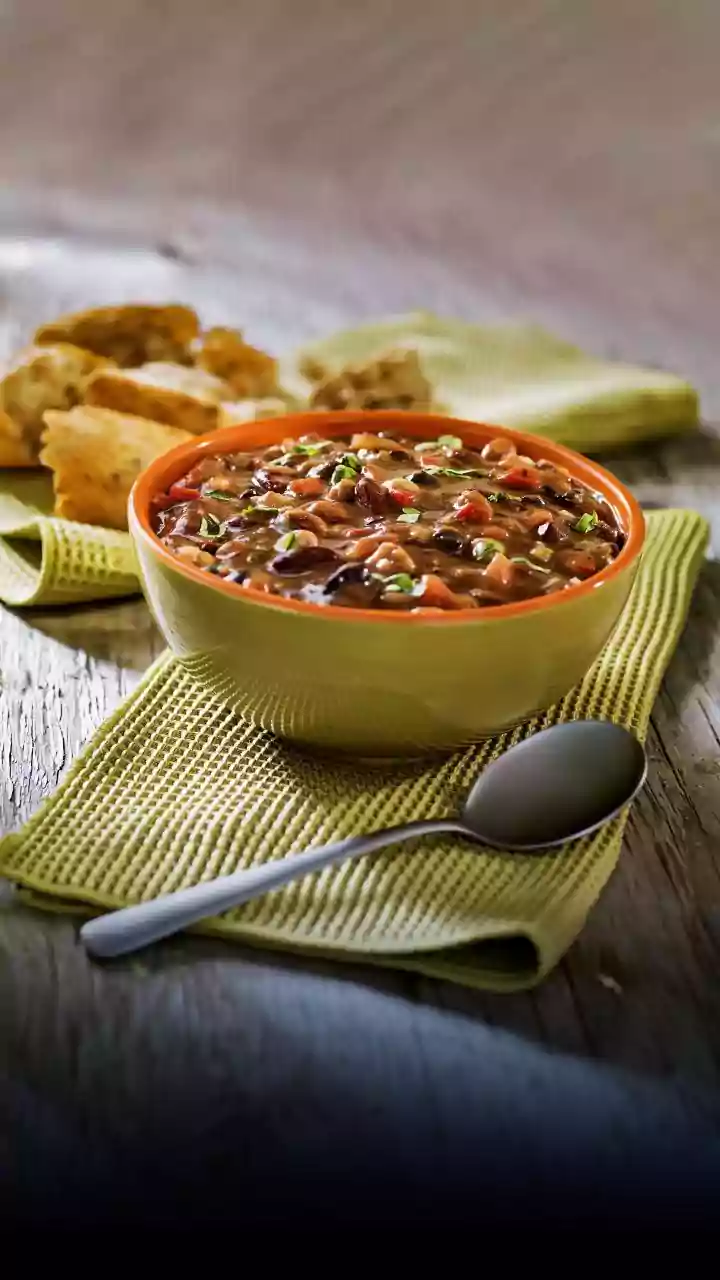
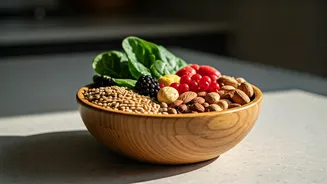
So, what does this look like in practice? It means shifting from 'what single food can I eat?' to 'how can I structure my meals?' First, prioritize electrolyte replacement. Instead of just water, consider adding a pinch of salt and a squeeze of lemon, or opt for coconut water or a low-sugar sports drink if you’ve been sweating heavily. Build meals around water-rich vegetables and fruits, but integrate them into a balanced plate. A big salad with grilled chicken, avocado (for potassium), and a salty vinaigrette is far more supportive than just a bowl of cucumber slices. Choose smaller, more frequent meals over one or two large ones to reduce digestive heat load. And don’t be afraid of warm tea or a moderately spicy dish; your body might thank you for the sweat-inducing, cooling after-effect. Avoid the big three that tax your system: excessive alcohol, sugary sodas, and heavy, greasy foods.