


The Anatomy of a Monochromatic Reign
First, let’s be clear about what we’re talking about. “Millennial Grey” wasn’t just a color; it was an entire aesthetic that conquered the 2010s. It was the cool-toned, often blue-undertoned grey on the walls of every new condo, flipped house, and aspirational
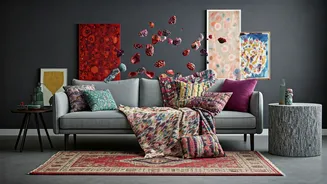
Airbnb. It was the color of sleek, low-profile sofas, minimalist area rugs, and the vaguely corporate backdrop of a thousand Instagram posts. Paired with white trim, brushed nickel fixtures, and the occasional pop of navy blue, grey was the unofficial uniform of “adulting.” It felt sophisticated, clean, and, most importantly, safe. It was a blank canvas that promised modernity and order in a chaotic world, a neutral backdrop that wouldn’t offend a landlord or a potential homebuyer. It was the visual equivalent of a neatly organized digital calendar.
Why We Fell For Grey in the First Place
The grey takeover didn’t happen in a vacuum. It was a direct reaction to the Tuscan-inspired, beige-and-brown-heavy palettes that dominated the early 2000s. After years of khaki walls, dark cherry wood, and ornate details, grey felt like a breath of fresh, modern air. It aligned perfectly with the rise of Scandinavian minimalism, the open-concept floor plan, and a tech-fueled desire for clean lines and efficiency. For a generation grappling with economic uncertainty and renting for longer, grey was a practical choice. It was versatile, easy to match, and projected a sense of put-togetherness even when life felt anything but. It was the perfect, non-committal partner for a generation that was putting off major life decisions, including what color to paint the living room.
The Great Correction: Why We're Breaking Up
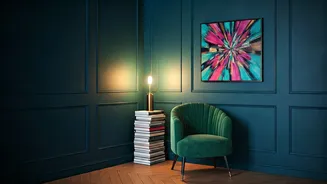
So, what changed? In a word: everything. The pandemic acted as a powerful catalyst, forcing us to spend unprecedented amounts of time inside our homes. Those cool, sterile spaces that once felt sleek and modern began to feel cold, impersonal, and even a bit bleak. Staring at the same four grey walls day after day, we started craving warmth, comfort, and personality. The home was no longer just a backdrop for life; it became the entire stage. The minimalist ethos gave way to a maximalist impulse. We wanted our homes to feel like a hug, not a headquarters. The psychological toll of living in a perpetually neutral space became apparent, and the collective desire for joy, color, and coziness took over.
Enter: Dopamine Decor
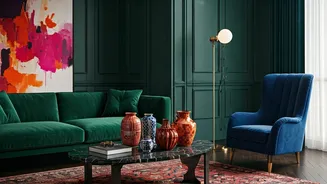
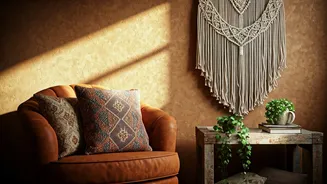
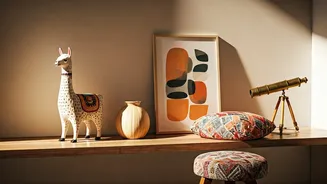
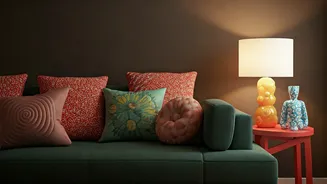
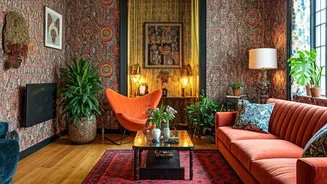
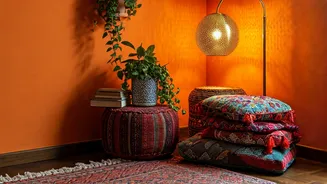
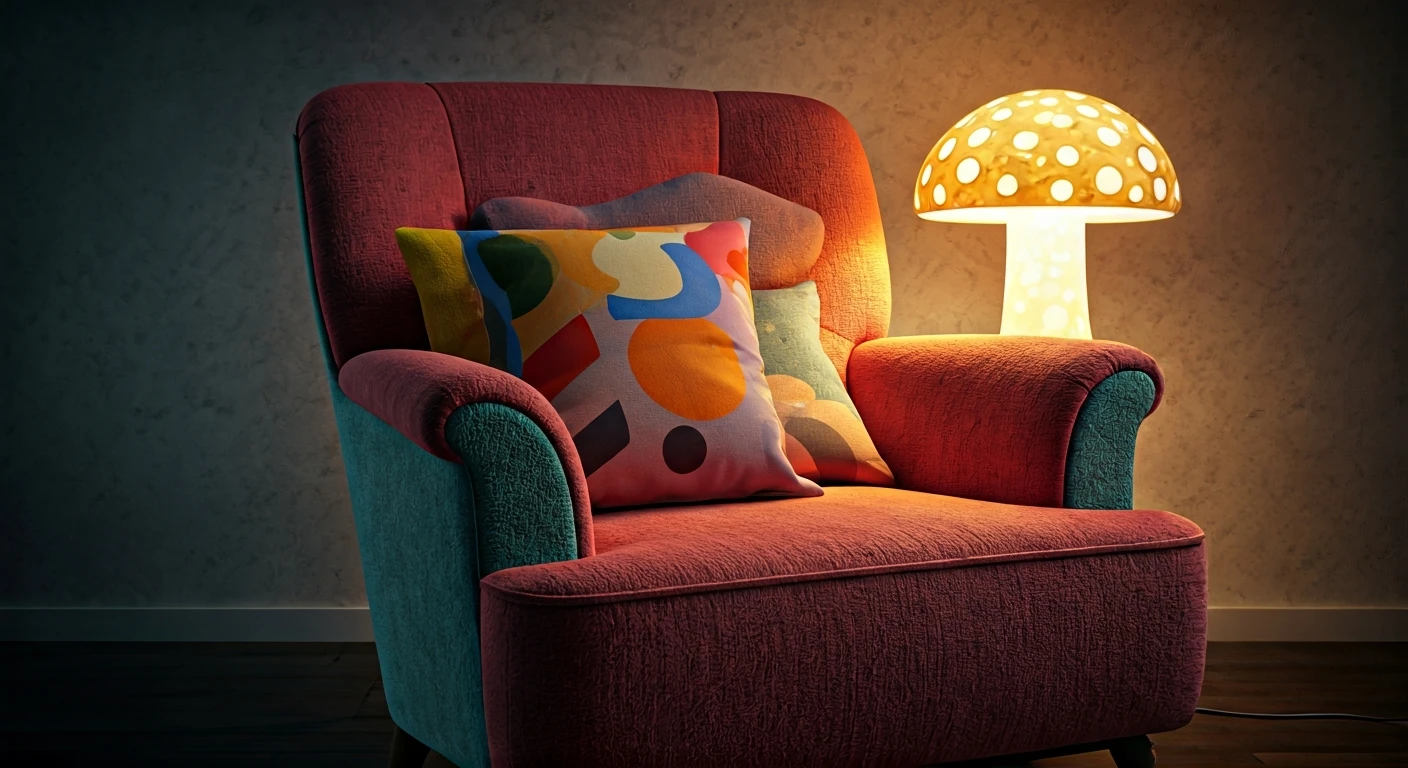
The aesthetic replacing grey is less a single trend and more a philosophy. Call it “dopamine decor” or simply a return to personality. It’s characterized by warmth, texture, and individuality. The new color palettes are drawn from the earth: rich terracottas, warm ochres, deep olive greens, and creamy beiges (yes, beige is back, but warmer and more complex this time). Paint companies are no longer crowning grey as their color of the year, instead opting for vibrant, optimistic, or soothing hues. Beyond paint, this new era is about layering textures—think nubby bouclé chairs, plush velvet pillows, natural wood grains, and handmade ceramics. It’s about filling your home with things that tell a story and bring you joy, not just things that match a pre-approved color scheme.
So, Do I Have to Repaint Everything?
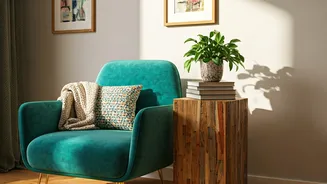
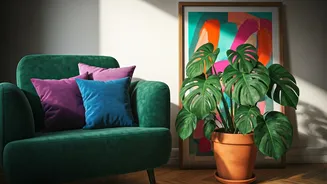
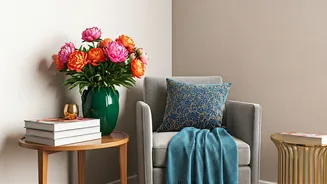
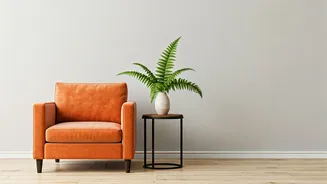
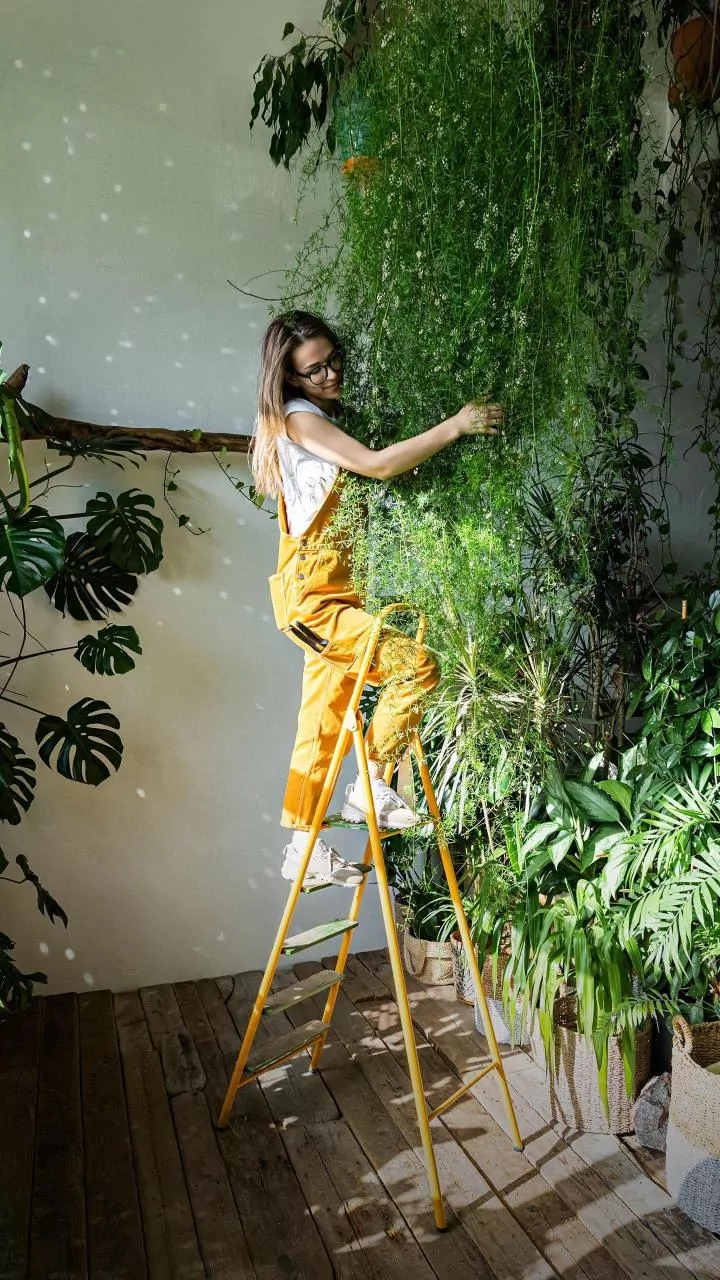
If you’re currently sitting in a grey room feeling a pang of design-induced anxiety, take a breath. The end of the grey era doesn’t mean you need to embark on a massive, expensive renovation. The beauty of the new approach is its focus on evolution, not revolution. Start small. Introduce warmth with a new rug, colorful throw pillows, or richly colored curtains. Swap out cool-toned light bulbs for warmer ones. Bring in natural elements like plants and wood. Even a single piece of vibrant art can completely change the feel of a room. The goal isn't to erase the grey entirely but to layer in the warmth and personality it might be missing.