




Why the Old Rules Don't Apply
For decades, the blueprint for fitness was clear: dedicate a solid hour, three to five times a week, to a structured workout. But that model was built for a world of predictable schedules and steady paychecks. For a rideshare driver whose income depends
on rush-hour surges or a freelance designer juggling multiple clients, a rigid gym membership can feel like a luxury—or worse, a waste. The gig economy runs on flexibility and hustle. A day can be a patchwork of frantic activity and unexpected lulls. Blocking out 90 minutes for a trip to the gym, a workout, and a shower isn’t just difficult; it can mean sacrificing income. This has forced a fundamental rethink of what it means to “stay active.” The new goal isn’t about logging hours, but about accumulating moments of movement throughout a fragmented day.
The Rise of 'Fitness Snacking'
Enter the micro-routine. Sometimes called “fitness snacking,” this approach breaks exercise down into short, intense bursts of 5, 10, or 15 minutes. The science supports it: studies have shown that even short bouts of activity, when performed consistently, can deliver significant health benefits, including improved cardiovascular health, better blood sugar control, and enhanced mood. Instead of one big “meal” of exercise, gig workers are having several “snacks.” It’s a paradigm shift from duration to consistency. A 10-minute workout you actually do is infinitely better than the hour-long session you keep skipping. This philosophy perfectly aligns with the gig worker’s reality, turning downtime—waiting for a food order, sitting in a parking lot between ride requests, or taking a quick break from a screen—into a wellness opportunity.
The Car Becomes the Gym
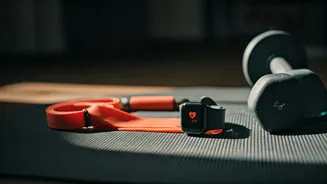
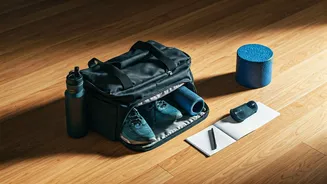
The millions of Americans who drive for Uber, Lyft, DoorDash, or Instacart, their vehicle is their office. It’s also their new fitness studio. These drivers are getting creative, using waiting periods to counteract the negative effects of prolonged sitting. Popular car-based micro-workouts include: - **Parking Lot Lunges:** While waiting for the next ping, a driver can step out and do a few sets of walking lunges or bodyweight squats beside their car. - **Red Light Stretches:** Simple neck rolls, shoulder shrugs, and torso twists can be done safely while stopped at a light to relieve tension. - **Delivery Dashes:** For food delivery drivers, taking the stairs instead of the elevator or adding a brisk walk around the block after a drop-off adds an extra dose of cardio. - **Resistance Band Rows:** A simple resistance band kept in the glove compartment can be looped around the steering wheel (while parked) for quick sets of seated rows to work the back muscles.
The Home Office Hustle
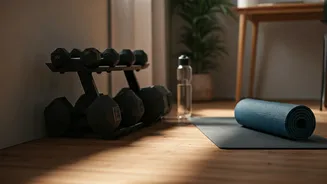
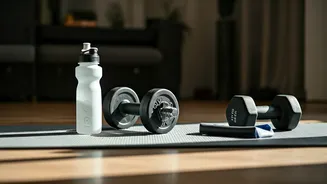
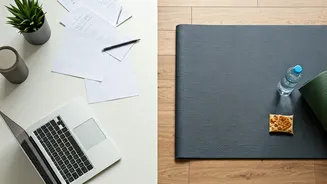
The same principle applies to at-home gig workers like freelance writers, virtual assistants, and graphic designers. The boundary between work and life is already blurred, making it easy to stay chained to a desk for hours. Micro-routines serve as a powerful tool to break up sedentary periods. Effective at-home habits include: - **The Pomodoro Push-up:** Using the popular time-management technique, a freelancer might work for 25 minutes, then use the 5-minute break for a set of push-ups, planks, or jumping jacks. - **The Kettlebell Commute:** Instead of a morning commute, some start their day with a 10-minute kettlebell or dumbbell routine to wake up their body and mind. - **Mid-day Mobility:** After a long meeting or focused writing session, a 10-minute yoga or stretching flow can undo the damage of hunching over a keyboard.
More Than Just Physical Health
The appeal of micro-routines goes beyond physical fitness. For gig workers, who often face job instability and isolation, these short bursts of activity can be a crucial mental reset. A quick, challenging workout can break the monotony of driving or staring at a screen, reduce stress, and provide a tangible sense of accomplishment on a day that might otherwise feel unstructured. It’s a form of self-care that fits into the cracks of a demanding modern work life. By reclaiming small pockets of time, gig workers are not just improving their physical health; they are building resilience and taking back control in a career defined by its lack of it.