



Welcome to the Valley of the Gods
Deep within the Garhwal region of Uttarakhand, a state often called the “Land of the Gods,” lies the Har ki Dun valley. This cradle-shaped expanse isn’t just geographically stunning; it’s steeped in mythology. Legend has it that the Pandava princes from
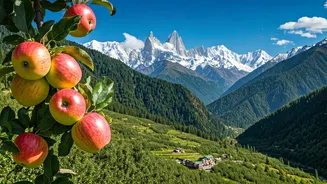
the epic Mahabharata ascended to heaven via this very route, and the towering Swargarohini peak—which dominates the skyline—translates to “Path to Heaven.” Unlike the bustling spiritual hubs of Rishikesh or Haridwar, Har ki Dun offers a different kind of pilgrimage: one into profound quiet and raw, unfiltered nature. It’s a place where you don’t just see the Himalayas; you feel their ancient, humbling presence.
Why June is the Magic Month
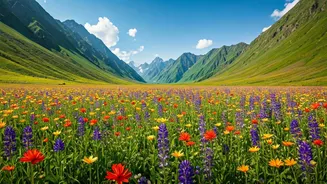
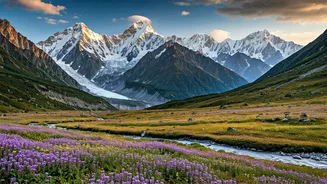
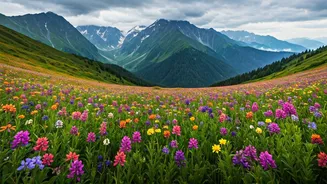
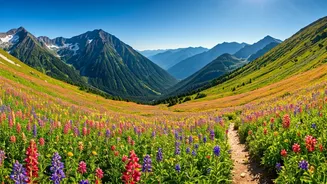
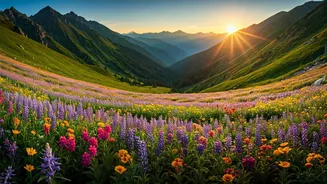
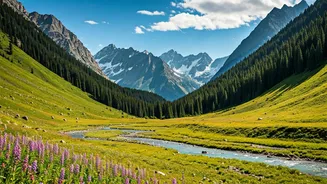
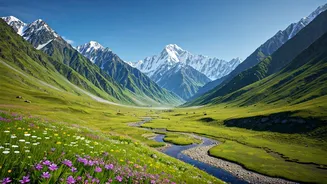
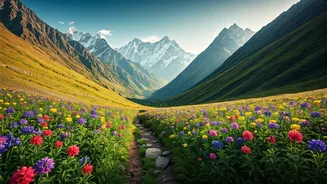
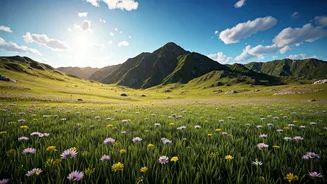
Timing is everything in the Himalayas, and June is Har ki Dun’s sweet spot. This is the precious window of late spring, just before the heavy monsoon rains arrive in July. The valley is a riot of green, bursting with life after the winter thaw. Wildflowers, including vibrant alpine rhododendrons, carpet the meadows. The weather is comfortably cool and generally clear, offering crisp, unobstructed views of snow-dusted peaks against brilliant blue skies. The rivers run full but not yet dangerously swollen, and the trails are in their best condition. Visiting in June means you experience the valley at its most lush and accessible, avoiding both the harshness of winter and the washed-out trails of the rainy season.
The Journey Is the Destination
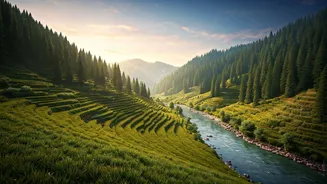
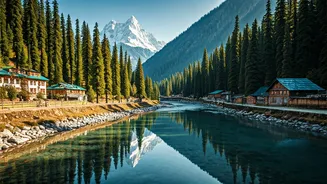
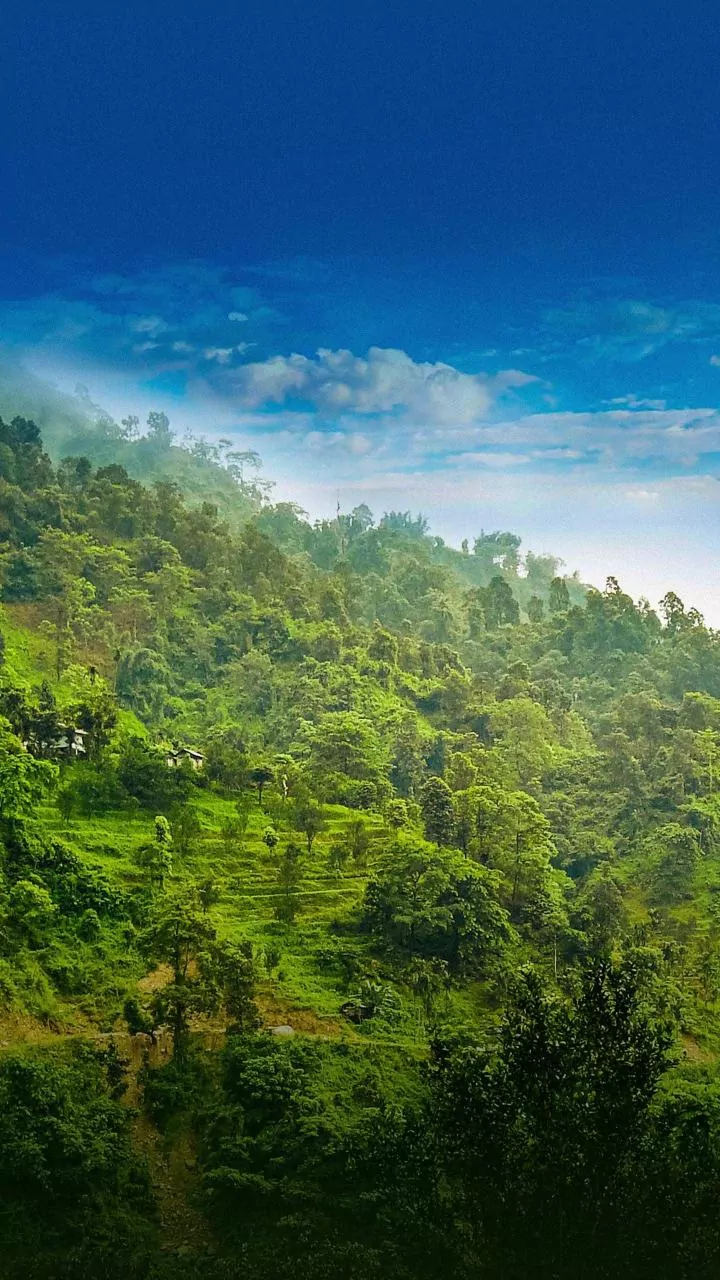
Reaching Har ki Dun is a trek, not a drive, and that’s the point. The journey is an essential part of its charm. The adventure typically begins in the small, rustic village of Sankri, itself a scenic multi-hour drive from the nearest city, Dehradun. From there, the trail winds for roughly 30 miles (47 km) round trip, usually completed over 4 to 5 days. This isn’t a technical climb for elite mountaineers; it’s a moderate trek suitable for anyone with a decent level of fitness and a spirit of adventure. The path guides you through dense pine and deodar forests, across wooden bridges over crystal-clear streams, and past ancient, remote villages like Osla, where traditional Garhwali culture and architecture remain beautifully preserved. Every step immerses you deeper into a world far removed from modern life.
What You’ll Find (and What You Won’t)
Prepare for a digital detox. Cell service is non-existent for most of the trek, and Wi-Fi is a distant memory. You won’t find luxury hotels, infinity pools, or Michelin-starred restaurants. Instead, your accommodations will be simple guesthouses or tents under a canopy of stars so bright they feel almost close enough to touch. What you gain in exchange is immeasurable. You’ll find shepherds guiding their flocks through vast meadows, listen to the rush of the Tons River, and wake up to morning light hitting colossal peaks. It's an opportunity to connect with your surroundings, your fellow trekkers, and yourself without the constant buzz of notifications. This is a journey that trades modern comforts for genuine soul-stirring experiences.
How to Plan Your Himalayan Escape
While it feels a world away, the logistics are manageable. The most common route for American travelers is to fly into New Delhi (DEL), then take a short domestic flight to Dehradun (DED). From Dehradun, it’s a stunning, albeit long, 8-10 hour drive to the trek’s starting point in Sankri. It's highly recommended to hire a local trekking company. They handle permits, guides, porters to carry the bulk of your gear, food, and accommodations. This not only ensures your safety but also supports the local economy. Reputable operators abound online; look for ones with strong safety records and positive reviews. Pack layers, sturdy hiking boots, a rain jacket (for occasional pre-monsoon showers), and a sense of wonder. The rest, the mountains will provide.