






Defining the ‘Cozy’ Revolution
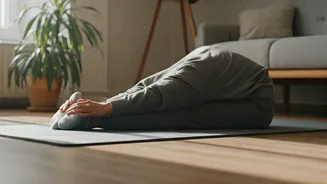
Forget punishing HIIT classes and the pressure to perform. ‘Cozy fitness’ is a catch-all for a growing category of low-impact, stress-free physical activities. The most famous example is ‘cozy cardio,’ a term popularized on TikTok. It’s about gentle movement,
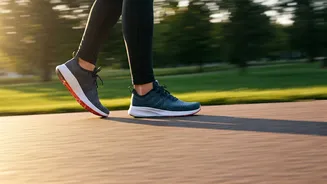
often done at home, while engaging in another enjoyable activity. Think: walking on a treadmill or 'walking pad' while watching a favorite show, doing a light stationary bike ride while listening to a podcast, or even just a long, meandering walk in the park. It’s not about hitting a target heart rate or burning a specific number of calories. Instead, the focus is on making movement a pleasant, sustainable, and integrated part of daily life rather than a chore to be endured. The goal is consistency and mental release, not exhaustion.
A Rejection of Millennial 'Hustle' Fitness
To understand the appeal of cozy fitness, it helps to look at what it’s rebelling against. Many in Gen Z grew up seeing the millennial approach to wellness, which was often intertwined with hustle culture. This was the era of boutique fitness studios charging $40 a class, the rise of CrossFit as a near-religious discipline, and Instagram feeds filled with chiseled abs and #fitspo hashtags. That culture, while motivating for some, also created intense pressure, comparison, and a sense that if your workout wasn’t agonizing, it didn’t count. Gen Z’s pivot to cozy fitness is a direct reaction to that burnout-inducing model. It rejects the idea that health must be expensive, exclusive, or aesthetically driven. By decoupling exercise from performance, it sidesteps the ‘gymtimidation’ and financial barriers that keep many people from moving at all.
Movement as Mental Health Care
Perhaps the most significant driver of this trend is Gen Z’s prioritization of mental health. For previous generations, the primary goals of exercise were often weight loss or muscle gain. For a growing number of young people, the main goal is to feel better mentally. The conversation has shifted from ‘beach bodies’ to managing anxiety, regulating the nervous system, and getting a dose of mood-boosting endorphins without the spike in cortisol that can come from high-intensity training. In this framework, a 30-minute walk while listening to music isn’t ‘lazy’; it's a strategic tool for stress reduction. This reframing is profound. It turns exercise from a potential source of pressure into a reliable form of self-care, making it something to look forward to rather than dread.
The Rise of ‘Soft’ and Accessible Activity
Beyond cozy cardio, this ethos is showing up everywhere. ‘Soft hiking’ emphasizes enjoying nature over conquering a summit, focusing on the journey, not just the peak. Similarly, the boom in popularity for activities like pickleball, Pilates, and recreational yoga speaks to a desire for movement that is social, low-impact, and skill-based without being punishingly difficult. These activities are more accessible to different body types and fitness levels. They promote community and joy—feelings that were often secondary in the hyper-competitive fitness landscape of the 2010s. This isn't about an aversion to hard work; many people still enjoy intense workouts. It's about broadening the definition of what ‘counts’ as a valid and valuable form of exercise, making a healthy lifestyle feel achievable for everyone, not just the elite.