

Humidity Creates a Bacterial Playground
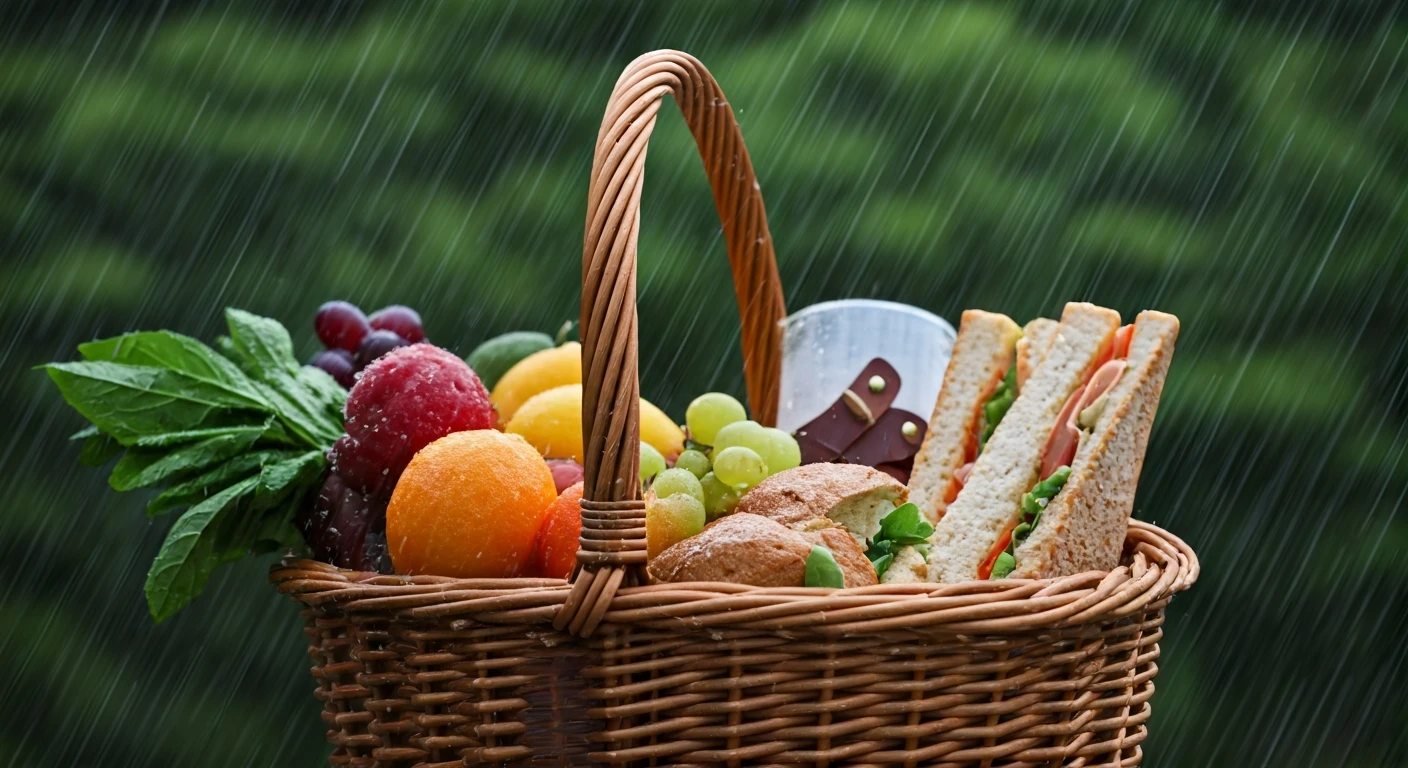
While the term “monsoon” might evoke images of Southeast Asia, parts of the U.S., particularly the Southwest, experience their own monsoon season. Many other regions, from the Gulf Coast to the Midwest, endure periods of intense summer humidity and rainfall
that create similar environmental conditions. This combination of moisture and warmth is the perfect recipe for bacterial growth. Pathogens like E. coli, Salmonella, and Listeria thrive in damp environments. When humidity is high, condensation can form on surfaces, including food. This moisture gives any present bacteria a major advantage, allowing them to multiply rapidly on food that might otherwise be safe in drier conditions.
Why Cut Fruit Is Uniquely Vulnerable
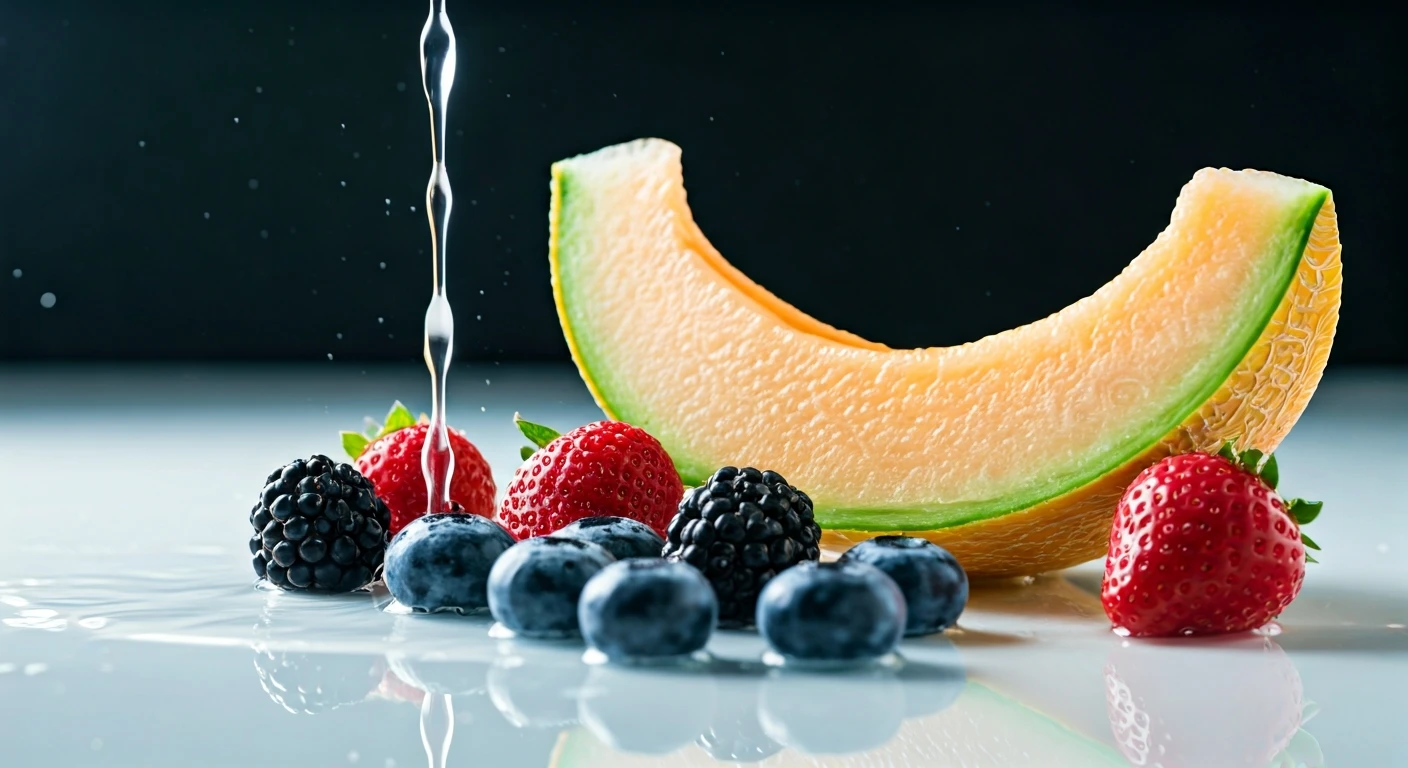
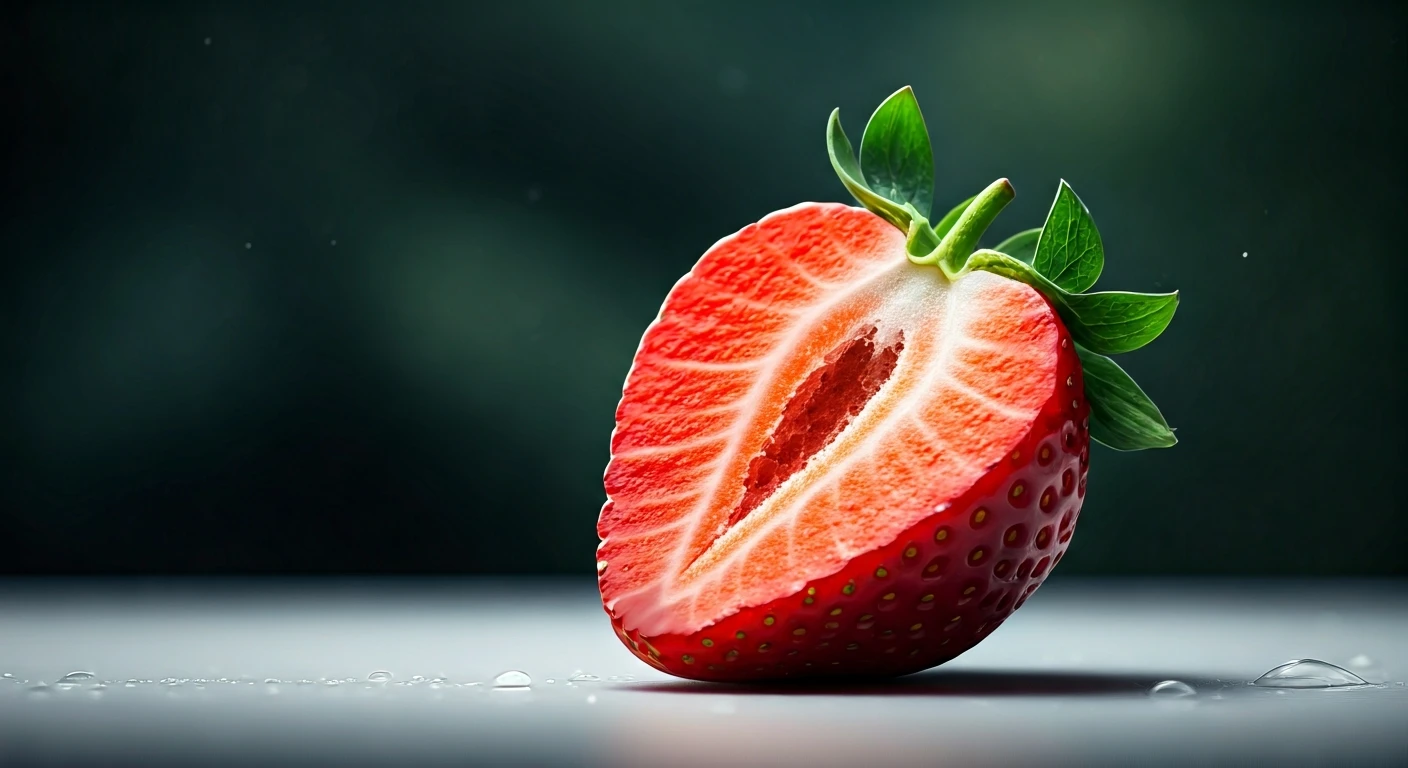
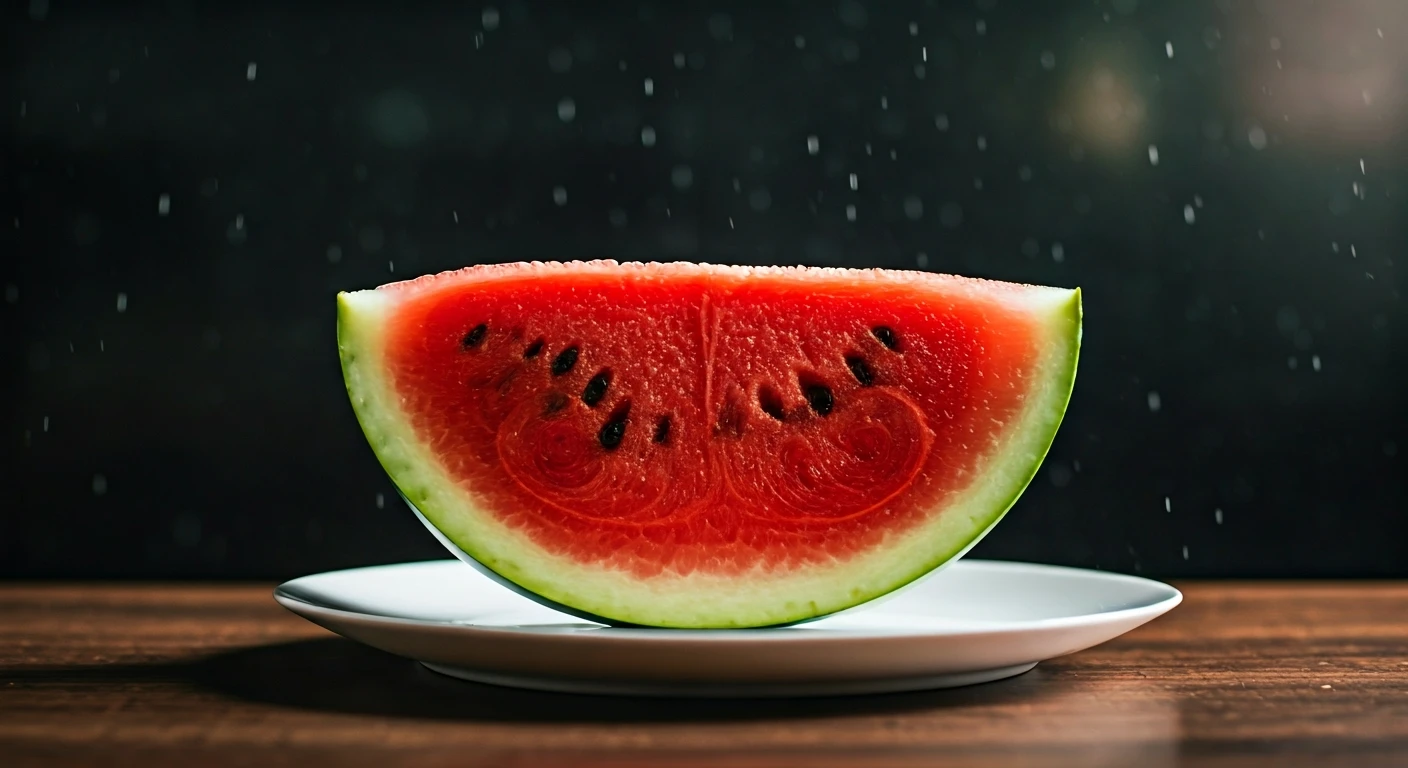
A whole fruit is a marvel of natural engineering. Its skin acts as a protective barrier, keeping the sterile, sugary flesh inside safe from outside contaminants. The moment you cut into it, that barrier is broken. The exposed surface is not only moist and nutrient-rich—an ideal food source for microbes—but it has also been touched by a knife, a cutting board, and human hands, each a potential source of cross-contamination. Unlike a whole apple that you can wash thoroughly, the internal surfaces of a piece of cut cantaloupe cannot be cleaned. Any bacteria introduced during slicing can flourish, especially when left to sit in a warm, humid grocery store or outdoor market.
The Risky Journey of Packaged Produce
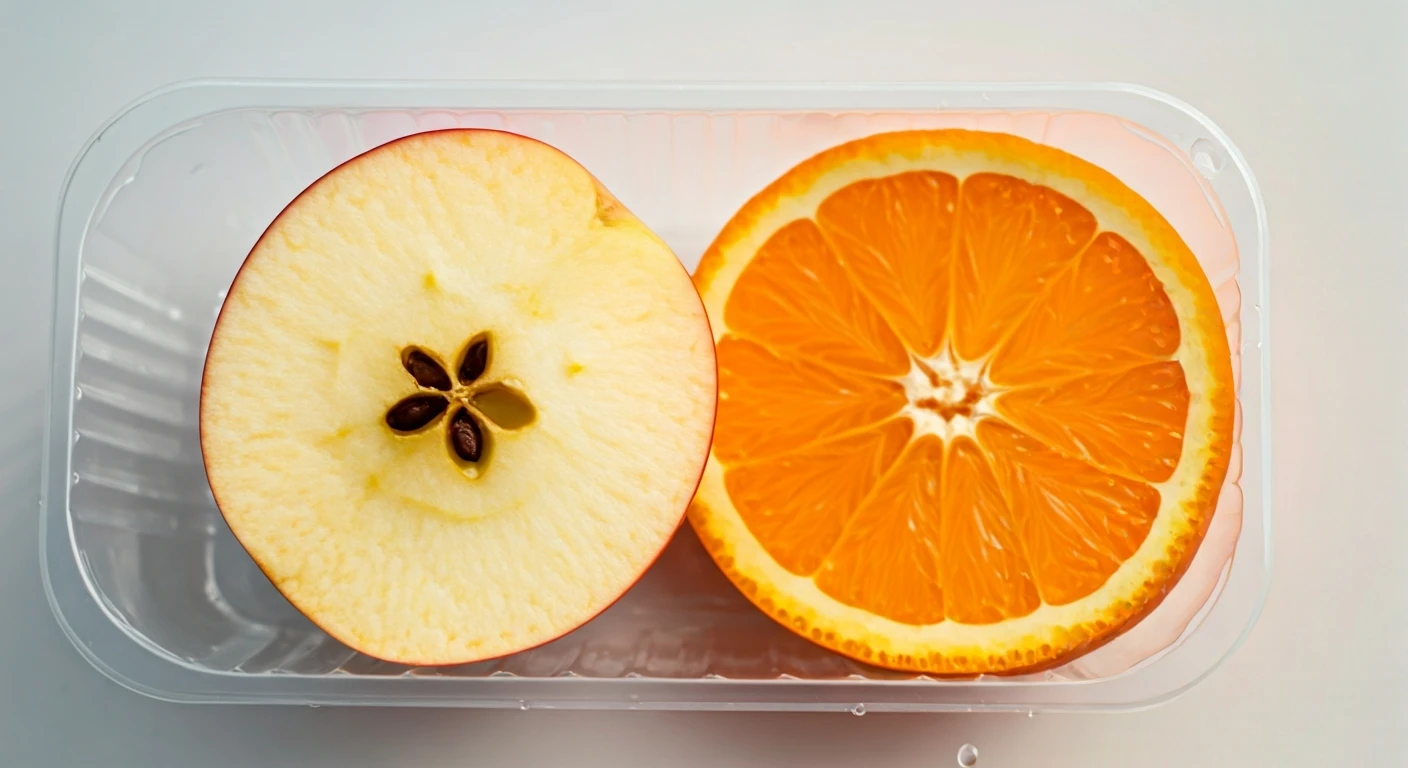
Consider the life of a container of pre-cut fruit. It was likely processed in a central facility, packaged, and then shipped to your local store. That journey provides multiple opportunities for contamination. Was the equipment perfectly sanitized? Were the workers following strict hygiene protocols? How was the temperature controlled during transport and storage? By the time you see it on the shelf, it may have been sitting for hours or even days. The plastic clamshell container can trap moisture, creating a mini-greenhouse effect that accelerates bacterial growth. If you notice excess water or condensation inside the package, it's a significant red flag that conditions are ripe for spoilage and potential pathogens.
Your Safest Bet: Go Whole
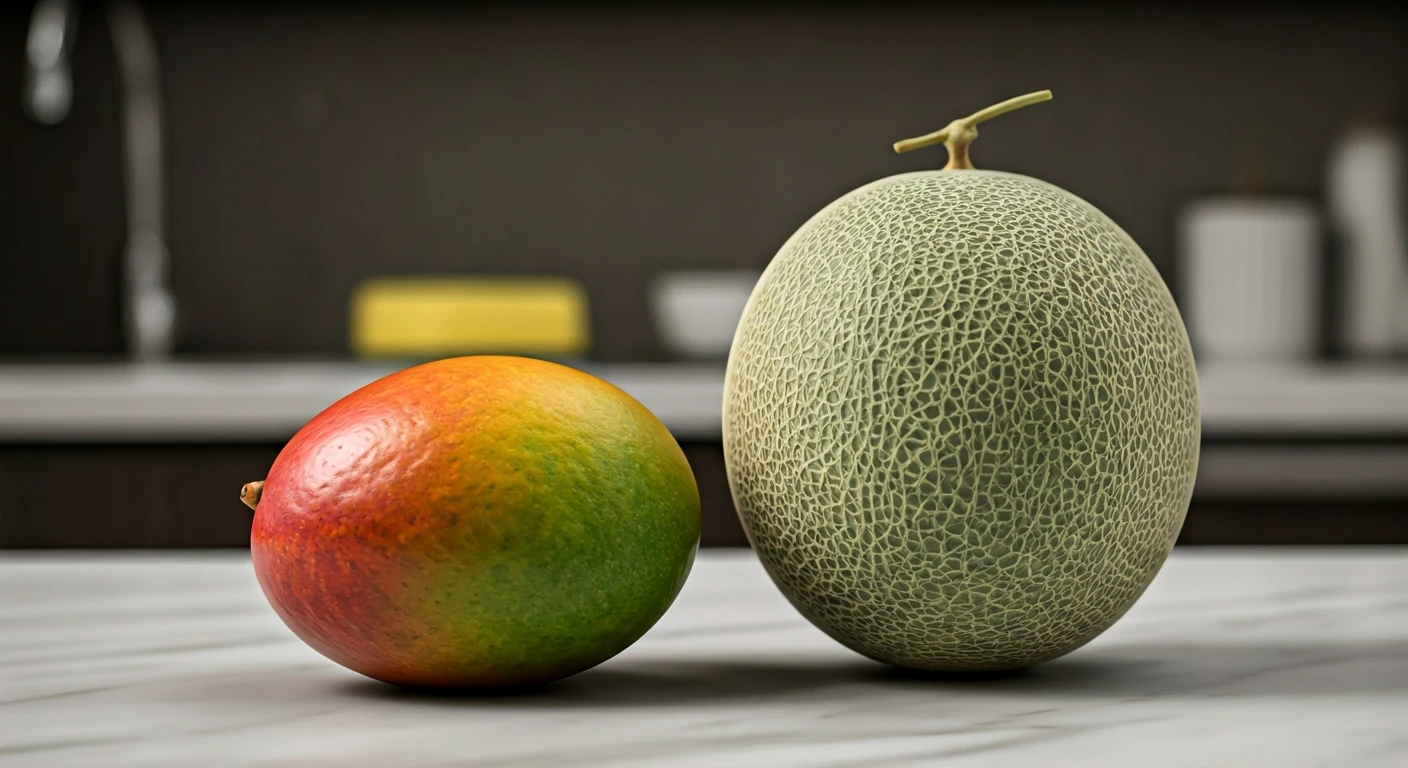
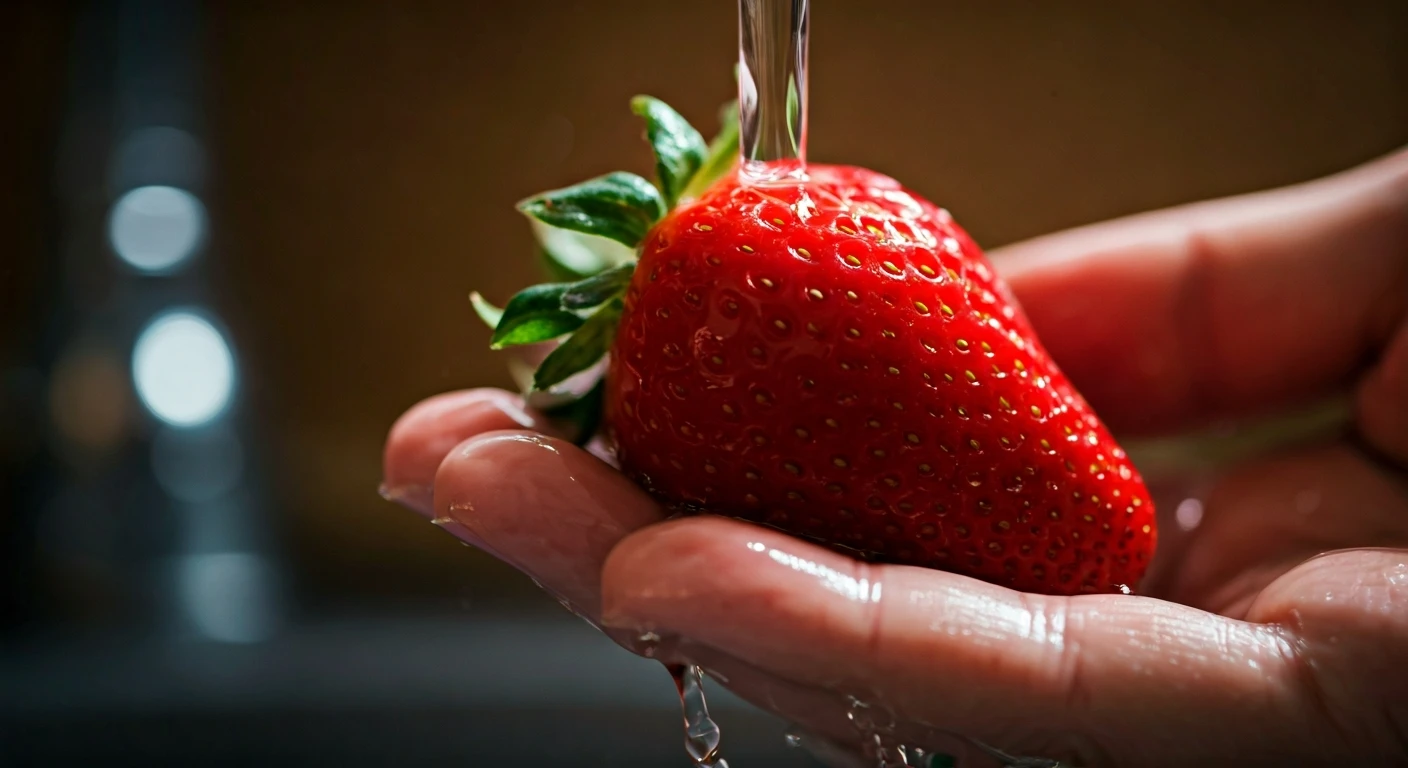
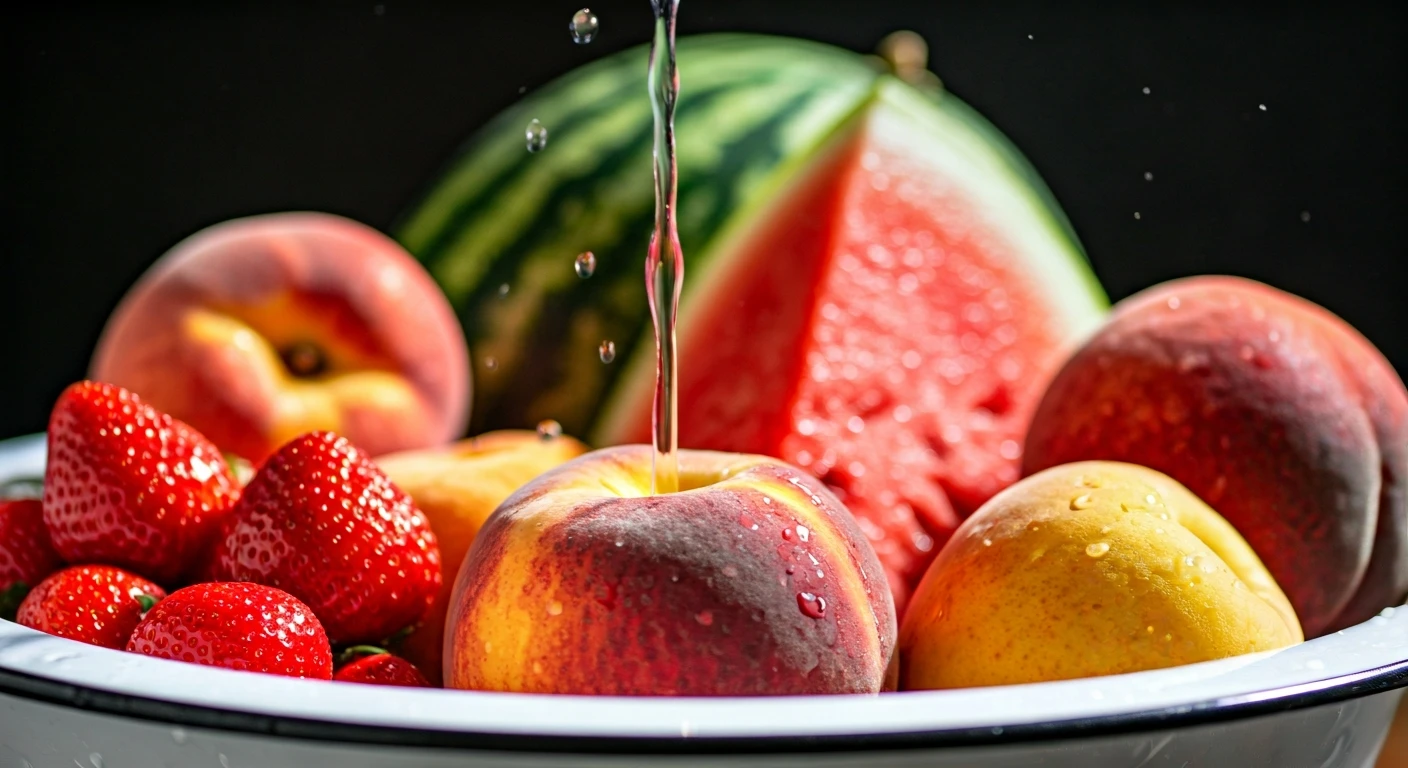
The solution isn't to give up fruit; it's to take control of its preparation. During periods of high heat and humidity, your best strategy is to buy fruits whole. A watermelon, a pineapple, or a bunch of grapes with their skins intact are far more resilient to environmental contamination. Bring them home and store them properly—some on the counter, others in the fridge. When you're ready to eat, give the outside a thorough wash under cool running water. For firm-skinned fruits like melons, use a clean produce brush to scrub the rind. This step is crucial because it removes surface dirt and bacteria before your knife slices through the skin and transfers them to the flesh. Cut only what you plan to eat immediately for the best flavor and maximum safety.
Smart Shopping for Any Season
This advice extends beyond just monsoon-like weather. Always be a discerning shopper when it comes to produce. When buying pre-cut fruit, ensure it's refrigerated or surrounded by ice. Avoid any packages that look swollen or are filled with liquid. Trust your senses: if the fruit looks slimy, discolored, or smells off, do not buy or eat it. For whole fruits, look for firm textures, bright colors, and an absence of bruises or moldy spots. A little extra vigilance at the grocery store can make all the difference in preventing a nasty bout of foodborne illness. By opting for whole produce and preparing it yourself, you reclaim control over your food's safety from farm to table.