




Why Now? The Perfect Storm
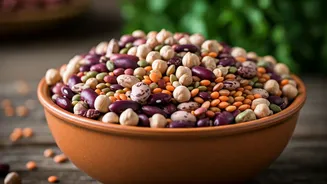
So why is this happening now? It’s not a slick marketing campaign. Instead, the rise of the legume is driven by a perfect storm of cultural and economic shifts. First, the plant-based movement has matured. Many people are moving beyond expensive, highly
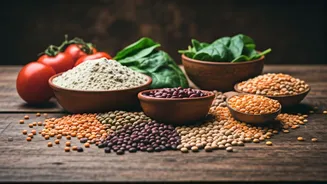
processed meat alternatives and seeking whole-food protein sources. Legumes are the original plant-based protein, and they fit the bill perfectly. Second, sticker shock at the grocery store has everyone rethinking their budget. As the price of meat, poultry, and even fish remains stubbornly high, a one-pound bag of lentils or black beans for a few dollars looks incredibly appealing. It’s a simple economic choice that delivers huge nutritional dividends. Finally, there's the wellness factor. We’re more aware than ever of the importance of fiber for gut health, and legumes are fiber superstars. They offer a powerful combination of protein to keep you full and fiber to keep your digestive system happy—a win-win that many modern processed foods can’t match.
Lentils: The Speedy Powerhouse
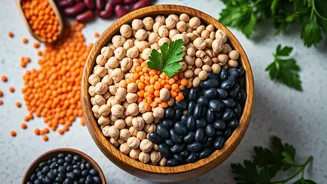
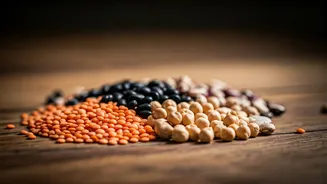
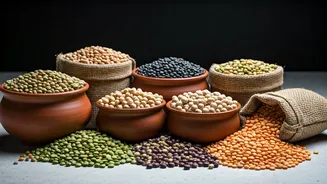
If you’re just dipping your toe into the world of legumes, lentils are the perfect place to start. They don't require pre-soaking and cook in just 20-30 minutes. A single cooked cup packs an impressive 18 grams of protein and 16 grams of fiber. Brown and green lentils hold their shape well, making them ideal for salads and hearty side dishes. Red and yellow lentils, on the other hand, break down into a creamy, luscious texture, perfect for thickening soups, stews, and Indian dals. Their earthy, mild flavor makes them a versatile canvas for any spices you throw their way.
Chickpeas: The All-Star MVP
Chickpeas, also known as garbanzo beans, are arguably the most popular legume in the U.S. right now, and for good reason. They are the foundation of hummus, a staple in millions of refrigerators. But their talents don't stop there. One cooked cup contains about 15 grams of protein. You can roast them with spices for a crunchy, addictive snack, toss them into salads for extra heft, mash them for a plant-based alternative to tuna salad, or stir them into curries and pastas. Their nutty flavor and firm texture make them exceptionally satisfying.
Black Beans: The Fiber-Rich Favorite
A cornerstone of Latin American and Caribbean cuisine, black beans deliver both flavor and function. With 15 grams of protein and 15 grams of fiber per cup, they are a nutritional heavyweight. Their slightly sweet, earthy flavor pairs beautifully with cumin, chili powder, and lime. They are essential in burritos, tacos, and rice bowls, but they also shine in soups, burgers, and even brownies (yes, really). Using canned black beans is a massive time-saver; just be sure to rinse them well to remove excess sodium.
Edamame: The Complete Protein Snack
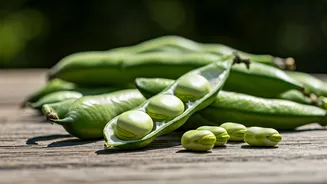
Often found in the freezer aisle, edamame are immature soybeans, usually sold still in their pods or shelled. What makes them special is that they are a 'complete' protein, meaning they contain all nine essential amino acids our bodies can't produce on their own—a rare trait in the plant world. A cup of shelled edamame provides around 18 grams of protein. Steamed and sprinkled with sea salt, they make a simple, delicious, and incredibly filling appetizer or snack. You can also add the shelled beans to stir-fries, grain bowls, and salads for a vibrant pop of color and a serious protein boost.
Split Peas: The Comfort Food Classic
Don’t let their humble reputation fool you; split peas are a protein force. Available in green or yellow varieties, they offer about 16 grams of protein per cooked cup. Like red lentils, they don’t need soaking and cook down into a thick, creamy consistency, making them the natural choice for the classic, soul-warming split pea soup. Beyond soup, their creamy texture can be used to create savory purees or dips, providing a hearty and deeply satisfying base for a comforting meal on a cold day.