




The Deluge vs. The Drizzle
When Americans hear “rainy season,” we might picture a week of gloomy drizzle in Seattle or a passing Florida thunderstorm. A monsoon is a different beast entirely. It’s a seasonal weather pattern, especially prominent in South and Southeast Asia, characterized
by prolonged, intense rainfall that can last for hours or days. This isn’t just an inconvenience; it’s a force of nature that reshapes daily life. Streets in cities like Mumbai or Bangkok can become temporary rivers. Rural roads, especially unpaved ones, can turn into impassable mud pits. Ferries get canceled, flights get delayed, and that scenic mountain trail you planned to hike might be closed due to landslide risk. The weather doesn’t just alter your plans; it often dictates them, and it has absolutely no regard for your color-coded spreadsheet.
Letting Go of the Perfect Plan
The rigid planner thrives on certainty. You book the 9 a.m. temple tour, the 1 p.m. lunch reservation, and the 4 p.m. boat trip. During a monsoon, this approach is a recipe for frustration. That 9 a.m. tour might be a non-starter because the road to the temple is flooded. The boat trip is definitely not happening in a downpour. Trying to force your schedule onto a monsoon landscape is like arguing with the tide—it’s pointless and you’ll lose. The core challenge, and a surprising gift, of monsoon travel is that it forces you to abandon the illusion of control. Your vacation’s success is no longer measured by how many things you checked off a list, but by how well you adapt to the beautiful, unpredictable chaos unfolding around you.
The Joy of Plan B (and C, and D)
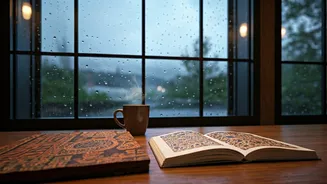
So, what does adapting look like? It means seeing a rained-out beach day not as a loss, but as an opportunity. It’s your chance to duck into a family-run café and spend three hours sipping sweet, milky tea while watching the world go by. It’s signing up for an impromptu cooking class you saw a flyer for. It’s discovering a tiny, local art gallery you would have otherwise rushed past. Flexibility allows you to connect with a place on its own terms. Instead of consuming a series of pre-packaged experiences, you participate in the rhythm of local life. You share a moment of solidarity with shopkeepers as you all wait for a storm to pass. You learn which side of the street is less prone to ankle-deep puddles. These are the small, authentic moments that rarely make it into a formal itinerary but often become the most cherished memories.
The Unexpected Green Season Rewards
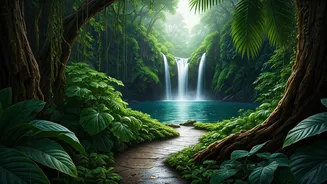
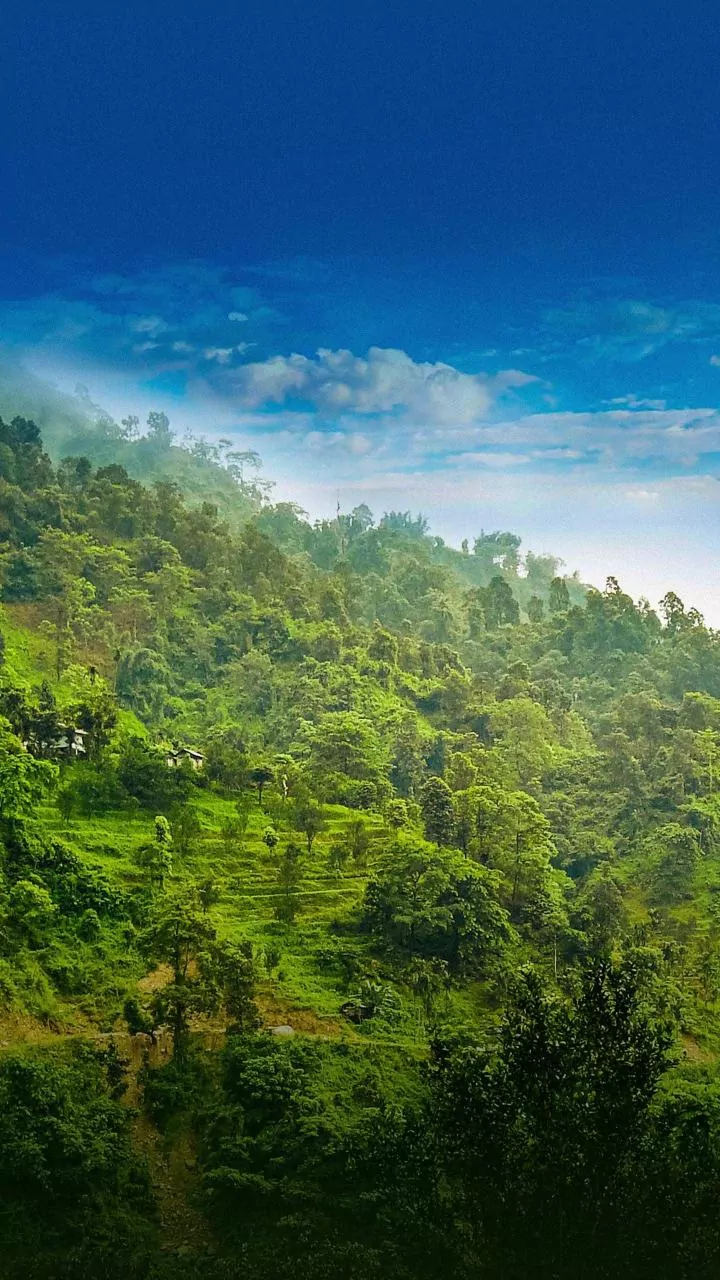
For those willing to embrace the uncertainty, the rewards are immense. The monsoon is often called the “green season” for a reason. The landscape, parched from the dry heat, explodes into a thousand shades of vibrant, electric green. Waterfalls that are mere trickles for most of the year become thundering spectacles. The air is washed clean of dust, and the post-rain world smells earthy and fresh. The skies, when not pouring, are often dramatic and moody, providing a stunning backdrop for photography. Perhaps the biggest perks are practical: fewer crowds and lower prices. You’re not jostling for position at major landmarks, and hotels and tours often offer significant discounts. You get a more intimate, less-touristed version of a popular destination, all because you were willing to pack a raincoat and a flexible attitude.