



Beyond the Tikka Masala Paradigm
For decades, the American understanding of Indian food has been shaped by a fairly narrow menu, largely drawn from North Indian and Mughlai traditions. Dishes like chicken tikka masala, palak paneer, and samosas became delicious, if predictable, ambassadors
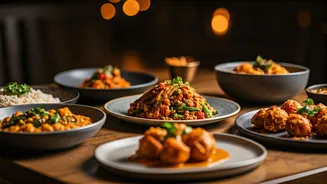
for an entire subcontinent's cuisine. They are rich, complex, and designed to impress—perfect for a restaurant setting. But this is only one chapter in a vast culinary library. The emerging trend is a pivot away from this restaurant-style fare and toward *ghar ka khana*—literally, “food of the home.” This is the food that Indians eat day-to-day: simpler, lighter, regionally specific, and deeply comforting. It’s less about performative richness and more about nourishing substance. Think of it as the difference between a steakhouse dinner and the cozy roast chicken your mom makes on a Sunday. Both are great, but only one tastes like home.
The Generational Shift
A major driver of this culinary homecoming is a generational shift within the Indian diaspora. Many second- and third-generation Indian Americans, who grew up balancing their heritage with mainstream American culture, are now seeking a deeper connection to their roots. Food is one of the most powerful and accessible pathways to that connection. They are calling their parents and grandparents for recipes, not for the elaborate curries reserved for special occasions, but for the everyday magic of a perfect dal, a fluffy roti, or a simple vegetable stir-fry. Cookbooks from authors like Priya Krishna (“Indian-ish”) and Nik Sharma (“The Flavor Equation”) have become guides for this generation, demystifying home cooking and celebrating the humble, everyday dishes that were once taken for granted. This isn't just about cooking; it’s about cultural preservation and identity formation, one pot of lentils at a time.
The Ultimate Wellness Food
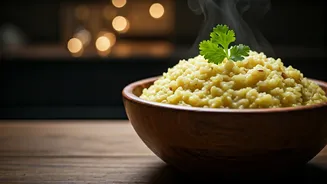
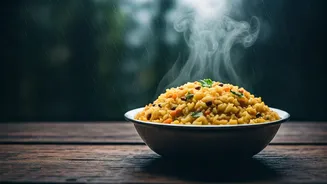
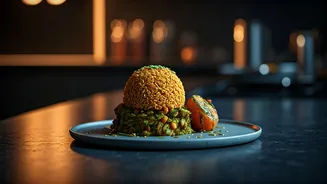
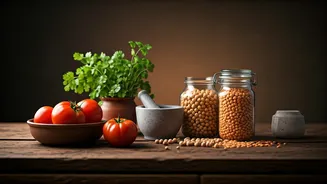
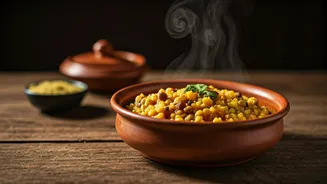
This trend also slots perfectly into America's ongoing obsession with wellness and plant-based eating. While restaurant-style Indian food can be heavy with cream and butter, home-style cooking is often inherently healthy. The backbone of the diet is lentils, vegetables, whole grains, and a symphony of spices with well-known health benefits, like turmeric, ginger, and cumin. Dishes like khichdi—a one-pot dish of rice and lentils, often likened to a savory porridge or risotto—are the epitome of this. It’s the ultimate comfort food, fed to you when you’re sick, tired, or just in need of a hug in a bowl. As Americans look for meals that are both satisfying and genuinely good for them, the simple, nourishing logic of Indian home cooking presents a compelling and delicious solution.
What's on the Menu?
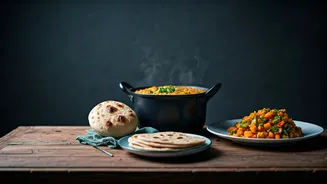
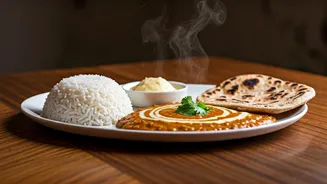
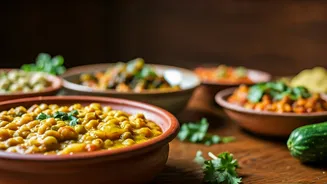
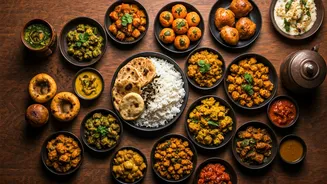
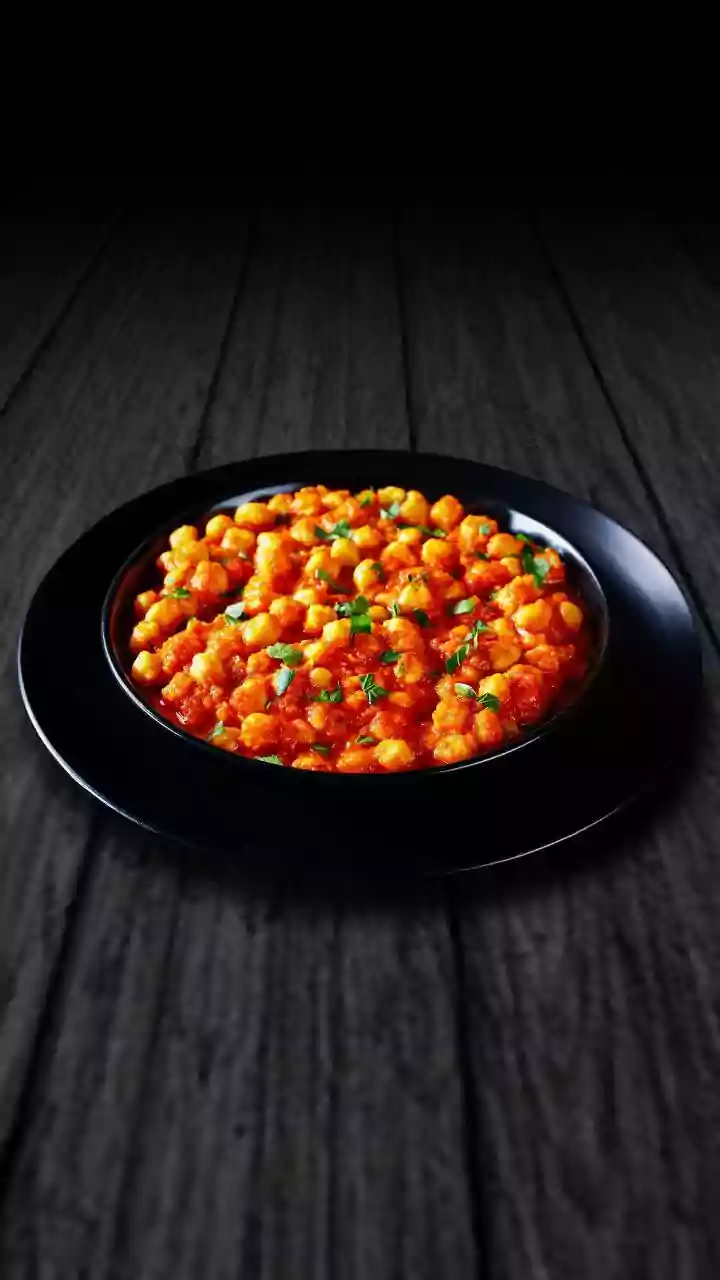
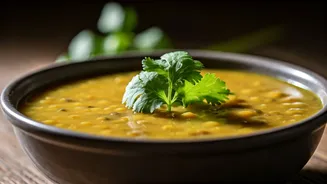
So, what does this home comeback look like on your plate? It’s about discovering the building blocks of the Indian kitchen. Instead of a singular, heavy curry, you might see a *thali*-style meal with several small, distinct components. There will be a simple dal, perhaps a tadka dal with sizzling spices poured over the top. You’ll find regional vegetable preparations like a South Indian *thoran* (finely chopped vegetables with coconut) or a North Indian *sabzi* made with seasonal greens. Instead of pillowy restaurant naan, the focus is on everyday flatbreads like roti or chapati, made with whole wheat flour and cooked on a dry skillet. And at the center of it all is rice, the humble canvas for everything else. This is food that is meant to be mixed and matched, scooped up with bread, and enjoyed as a complete, balanced system—a far cry from a single, dominant curry swimming in sauce.