






Moving Past the Freezer Aisle Stereotype
For decades, “convenience food” was a synonym for “junk food.” It conjured images of rubbery chicken nuggets, preservative-laden instant noodles, and frozen pizzas with a mysterious sheen. The trade-off was clear: you could save time, but you had to sacrifice
nutrition, flavor, and any sense of culinary pride. These meals were engineered for a long shelf life and low cost, with health as a distant afterthought. Sodium, saturated fat, and unpronounceable ingredients were the stars of the show. But a massive shift in consumer awareness, driven by a desire for wellness and transparency, has forced the food industry to rethink this entire model. The old bargain is no longer acceptable to a generation of shoppers who read labels and value their health as much as their time.
The New Definition of 'Healthy'
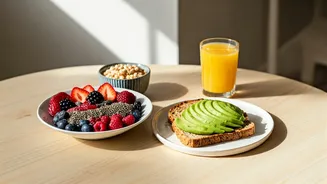
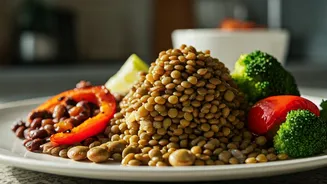
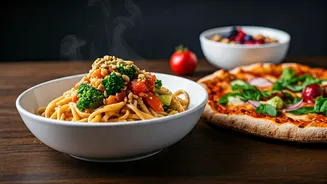
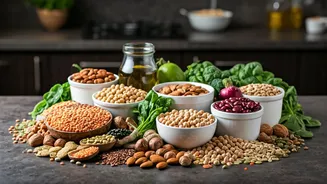
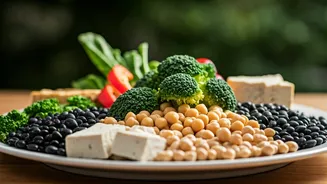
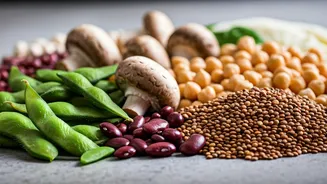
Today’s “healthy” convenience isn’t just about slapping a “low-fat” label on a box. It’s about a fundamental change in ingredients and philosophy. The first major shift is toward “clean labels.” This means shorter ingredient lists with recognizable, whole-food components. Think grain bowls with quinoa, roasted vegetables, and lean protein instead of a tray of processed cheese and pasta. Plant-based options have exploded, with brands offering sophisticated and delicious vegan and vegetarian meals that go far beyond a simple veggie burger. Companies are also actively reducing sodium and sugar, using spices, herbs, and natural flavorings to create depth. We're also seeing the rise of “functional foods”—convenient meals fortified with probiotics for gut health, adaptogens for stress relief, or extra protein for athletic performance, turning a quick lunch into a targeted wellness tool.
What Makes a Meal 'Smart'?
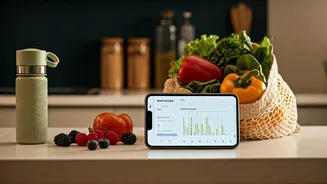
The “smarter” part of the equation is where technology and innovation come in. This isn't just about healthier ingredients; it's about a more intelligent food system. Direct-to-consumer meal kit services like Daily Harvest or Freshly use algorithms to offer personalized meal plans based on dietary preferences, allergies, and health goals. You’re not just grabbing a box off the shelf; you’re getting a meal curated for you. Packaging technology has also evolved. We’re seeing more sustainable, recyclable, and even compostable containers. Some packaging now includes smart features, like QR codes that provide detailed sourcing information or indicators that change color to show optimal freshness, reducing food waste. This intelligence extends to the supply chain, with companies using data to better predict demand and deliver fresher products more efficiently.
Driven by Demanding Consumers
This entire revolution isn’t happening in a vacuum. It’s a direct response to consumer demand, particularly from Millennials and Gen Z. These demographics are digitally native, health-conscious, and value-driven. They grew up with information at their fingertips and are more likely to research a brand's mission, sourcing ethics, and environmental impact before making a purchase. They expect the same level of quality and customization from their food that they get from their streaming services or fitness apps. For them, convenience doesn't mean compromise. It means finding a solution that fits seamlessly into a busy, health-focused lifestyle. The brands that are succeeding are the ones that understand this and are building their products, marketing, and entire business model around transparency and quality.