


The New Travel Equation
For many young Americans, the classic “spontaneous flight to somewhere new” has been replaced by a more deliberate calculation. Post-pandemic airfare has soared, turning what was once a budget-friendly weekend getaway into a significant financial decision.
A ticket to see the forests of the Pacific Northwest or the coast of Maine can now compete with a month’s rent in some cities. Layered on top of this economic reality is a growing sense of climate anxiety. Coined “flight shame” in Europe, the awareness of aviation's heavy carbon footprint has seeped into the consciousness of Gen Z and Millennials, the very demographics most passionate about environmental causes. They want to experience the planet’s natural wonders, but not at the expense of the planet itself. This tension is fundamentally reshaping what it means to travel, pushing a new generation to find creative, grounded, and often more rewarding ways to explore.
Rediscover the Great American Road Trip
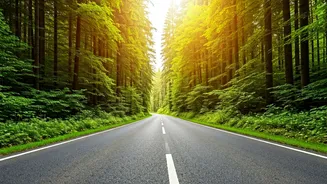
The most immediate and iconic alternative to flying is the open road. But this isn't your parents' station wagon journey. The modern road trip is flexible, tech-enabled, and deeply personal. It’s about curating a playlist, downloading an offline map of a national forest, and having the freedom to pull over whenever a scenic overlook or quirky roadside diner calls your name. Apps and communities centered around carpooling and ride-sharing make it easier than ever to split gas costs and connect with fellow travelers. For a generation that values experiences over possessions, the journey itself—the conversations, the unplanned detours, the slow-burn discovery of a changing landscape—becomes as important as the destination. Instead of losing a day to airport security and recycled cabin air, you gain a day of genuine adventure, watching the scenery shift from cityscape to rolling hills to dense woods right outside your window.
All Aboard: The Return of the Train
While America's passenger rail system may not be as comprehensive as Europe's, it offers a uniquely civilized and scenic way to travel between major hubs and to the gateways of natural parks. An Amtrak journey is the antithesis of a frantic flight. It’s an invitation to slow down. You can work, read, or simply stare out of a panoramic window as the country scrolls by. Routes like the California Zephyr, which winds through the Rockies and Sierra Nevada between Chicago and San Francisco, or the Adirondack, running from New York City through the Hudson Valley, are destinations in themselves. The cost is often competitive with flying, especially when you factor in baggage fees and airport transfers. More importantly, it re-introduces a sense of romance and place to travel, connecting the dots on a map in a way that soaring at 35,000 feet never can.
Think Local: Your Backyard Is Bigger Than You Think
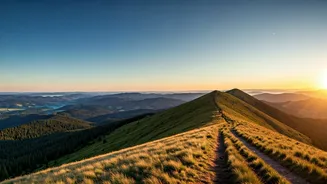
Perhaps the most profound shift is the move toward hyper-local exploration. The desire for a forest doesn't always require a cross-country journey. Many young travelers are discovering that world-class natural beauty exists within a few hours' drive. State parks, national forests, and regional preserves often offer the same sense of awe and escape as their more famous national park siblings, but with fewer crowds and no entry-pass lottery. This approach fosters a deeper connection to one’s own region. Becoming an expert on the best hiking trails, swimming holes, and campsites in your state can be more fulfilling than a whirlwind tour of five cities in ten days. It supports local economies, reduces travel time and stress, and proves that a meaningful escape doesn't have to involve a boarding pass.