




From Compromise to Choice
For decades, living in a small space in the U.S. felt like a consolation prize. It was the starter apartment you couldn't wait to leave, the dorm room you endured, or the urban reality you accepted in exchange for a good location. The design, if you could call
it that, was an afterthought. But a powerful shift is underway. Driven by rising housing costs, a desire for sustainable and simpler lifestyles, and a growing appreciation for urban density, compact living is being completely reimagined. This isn't about the rustic, DIY tiny house on wheels that dominated social media feeds a few years ago. This is a sophisticated, mainstream upgrade, where architects, developers, and furniture designers are pouring resources into making less space feel like more—not just more functional, but more beautiful and luxurious than ever before.
The Rise of Transformer Furniture
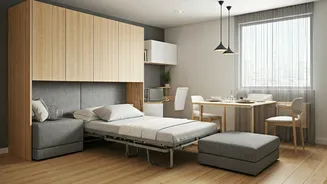
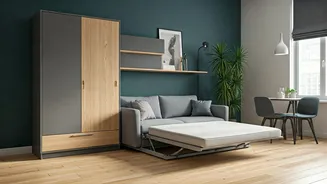
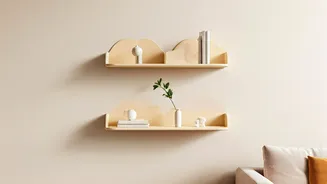
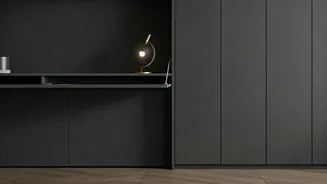
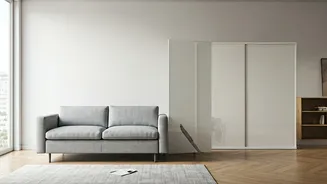
The heart of this revolution is in making every square inch work harder. The star player? Multi-functional or “transformer” furniture. Think beyond the clunky, back-breaking sleeper sofa of your parents’ basement. Today’s market is flooded with brilliantly engineered pieces that are as elegant as they are practical. We’re seeing sleek Murphy beds that fold away to reveal a full-sized desk or a chic sofa. There are coffee tables that rise and expand to become dining tables for six, and modular shelving systems that can be reconfigured to serve as room dividers, media centers, or walk-in closets. Companies like Ori Living are taking it a step further, creating robotic, app-controlled furniture systems that can transform a studio from a bedroom to a living room to a home office with the touch of a button. This isn't just about saving space; it's about creating dynamic, adaptable environments that cater to modern life.
Smarter Architectural Blueprints
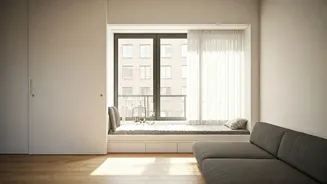
It’s not just the furniture that’s getting smarter; it’s the spaces themselves. Architects are ditching outdated layouts in favor of designs that maximize light, volume, and flow. In new micro-apartment buildings cropping up in cities like New York, Seattle, and San Francisco, you’ll find ceiling heights of 10 or 12 feet, which create a sense of vertical spaciousness even if the footprint is small. Massive windows and clever uses of glass partitions ensure that natural light penetrates deep into the unit. Storage is integrated seamlessly into walls, under floors, and above doorways, eliminating the need for bulky, space-hogging dressers and cabinets. Furthermore, developers are investing heavily in shared amenities—gorgeous communal kitchens, state-of-the-art gyms, co-working lounges, and rooftop gardens—effectively extending the resident’s living space beyond their four walls.
A New Definition of Luxury
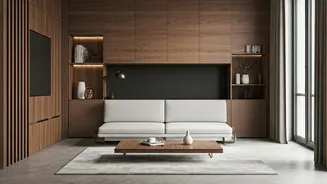
Perhaps the biggest change is psychological. The design upgrade is helping to redefine luxury. Instead of being measured in square footage, luxury is now about quality, efficiency, and intentionality. It's the high-end finish on the custom cabinetry, the smart-home tech that simplifies daily routines, and the premium, central location that puts city life at your doorstep. This new ethos appeals to a wide demographic: young professionals who value experiences over possessions, empty nesters downsizing from suburban homes, and anyone seeking a more sustainable, less cluttered existence. By proving that small can be beautiful, functional, and even prestigious, designers are giving Americans permission to want less, but to expect more from it.