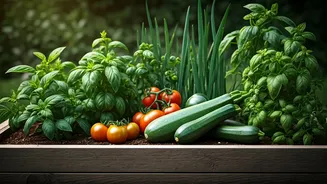



Before You Plant: The Golden Rules
Success with any vegetable, easy or not, comes down to three things: sun, soil, and water. Before you even buy a single seed packet, get this part right. First, find a spot in your yard (or on your patio) that gets at least 6-8 hours of direct sunlight
per day. Most summer vegetables are sun worshippers and won't produce without it. Second, invest in good soil. If you're planting in the ground, amend it with compost to add nutrients. If you're using containers, buy a quality potting mix specifically for vegetables—it's worth every penny. Finally, commit to a consistent watering schedule. Young plants are thirsty, and a wilting-reviving cycle stresses them out. A deep watering every few days is usually better than a light sprinkle every day.
1. Zucchini & Summer Squash
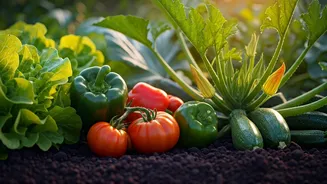
If you want to feel like a gardening prodigy, plant zucchini. This vegetable is famously, almost comically, prolific. A single healthy plant can produce more squash than a small family can eat, which is why neighbors often find bags of it on their doorsteps in July. Zucchini grows quickly from seed or from a starter plant, isn't particularly fussy about soil, and thrives in the summer heat. Just give it plenty of space, as the plants can get quite large. **Beginner Tip:** Harvest your zucchini when they are small to medium-sized (about 6-8 inches long). They are more tender and flavorful at this stage, and frequent harvesting encourages the plant to produce even more.
2. Cherry Tomatoes
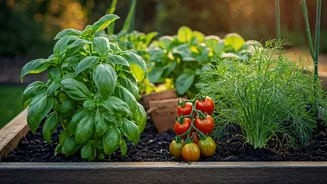
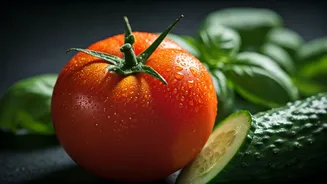
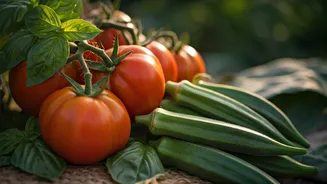
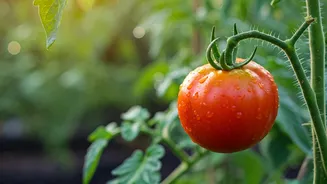
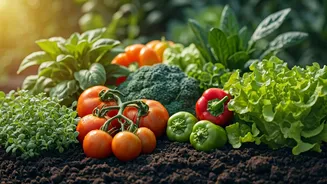
While large heirloom tomatoes can be tricky, cherry and grape tomatoes are the perfect gateway. These small-fruited varieties are generally more disease-resistant and produce fruit much earlier and more reliably than their larger cousins. You can grow them in a large pot on a sunny deck or in a garden bed. Most varieties will need a cage or stake for support as they grow tall. The payoff is immense: handfuls of sweet, juicy tomatoes for salads, snacks, and pasta sauces all summer long. **Beginner Tip:** Look for "determinate" or "patio" varieties if you're short on space. These plants stay more compact. "Indeterminate" varieties will keep growing and producing until the first frost, but require more staking and pruning.
3. Bush Beans
Forget the canned stuff; fresh green beans are a revelation. Bush beans are a fantastic choice for beginners because they are incredibly easy to grow directly from seed. Simply poke the seeds into the soil, water them, and watch them sprout within a week. They don't require the elaborate trellises that pole beans do, as they grow into a compact, self-supporting bush. In about 50-60 days, you'll be harvesting handfuls of crisp, delicious beans. For a continuous harvest, plant a new small batch of seeds every two weeks. **Beginner Tip:** The more you pick, the more the plant will produce. Check your plants every day or two once they start producing, as the beans can go from perfect to tough very quickly.
4. Cucumbers
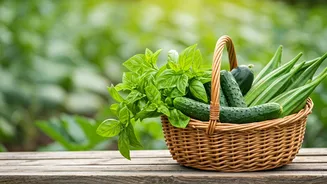
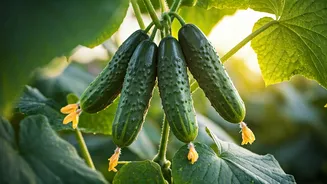
Nothing says summer like a cool, crisp cucumber. Vining cucumbers can be trained up a trellis to save space and keep the fruit off the ground, which results in straighter, cleaner cukes. There are also "bush" varieties that are more contained and work well in smaller gardens or large containers. They love sun and consistent moisture—don't let the soil dry out completely, as this can lead to bitter-tasting fruit. The satisfaction of slicing into a cucumber you grew yourself is hard to beat. **Beginner Tip:** Water the base of the plant, not the leaves. Wet foliage can encourage common fungal diseases like powdery mildew, especially in humid climates.
5. Basil
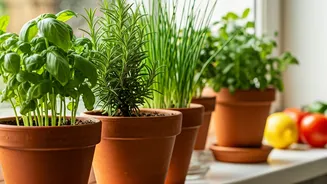
Every vegetable garden needs herbs, and basil is the undisputed king of summer. It's the perfect companion to your homegrown tomatoes. Basil is incredibly easy to grow from a small plant purchased at a nursery and thrives in the heat. Plant it in a pot on your patio or right alongside your tomato plants. The key to a big, bushy basil plant is regular harvesting. Pinch off the top sets of leaves frequently to encourage the plant to branch out. If you see it starting to flower, pinch the flowers off immediately to keep the plant focused on producing flavorful leaves. **Beginner Tip:** Don't just pull off individual leaves. Snip the stem right above a pair of leaves. This is where new growth will emerge, making your plant fuller and healthier.