





The First Lap: A 10,000-Step Revolution
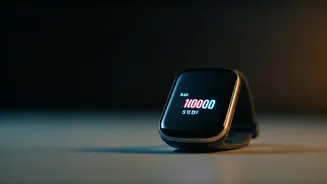
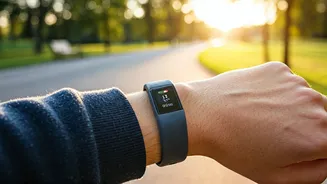
Cast your mind back to the early 2010s. The Fitbit on your wrist was a status symbol, a conversation starter, and a tiny, buzzing taskmaster. The goal, almost universally accepted, was 10,000 steps. This number, which originated from a 1960s Japanese
marketing campaign for a pedometer, not a scientific study, became the de facto benchmark for daily activity. We were a nation obsessed. We paced our living rooms at 10 p.m. to close our rings. We took the long way to the office kitchen. The initial wave was driven by novelty and a simple, gamified approach to fitness. The technology was new, the goal was clear, and for a while, competing with your friends on a digital leaderboard was motivation enough.
Tracker Fatigue and the Big Lull
But then, the novelty wore off. For many, the constant reminders and data streams became less of a gentle nudge and more of a source of anxiety. If you didn't hit your goal, the device seemed to silently judge you. The data, once fascinating, became just… numbers. This phenomenon, dubbed “tracker fatigue,” saw millions of devices abandoned in junk drawers. The simple act of walking had been transformed into a task to be completed and optimized, and many people decided they’d rather just enjoy the walk without the digital pressure. The trend didn’t disappear, but the initial white-hot cultural obsession certainly cooled.
The Post-Pandemic Wellness Reset
So, why the comeback? The pandemic was a major catalyst. Stripped of gyms, commutes, and normal routines, millions of Americans rediscovered the simplest form of exercise: walking. It became a mental health lifeline, a way to escape the confines of home, and a safe way to socialize. This time, the motivation was different. It wasn't about crushing a numerical goal; it was about sanity, fresh air, and a gentle return to movement. This shift in mindset laid the groundwork for tracking’s return, but with a new, more mindful purpose. The goal was no longer just hitting 10,000 steps, but carving out time for yourself.
Smarter Tech, Gentler Nudges
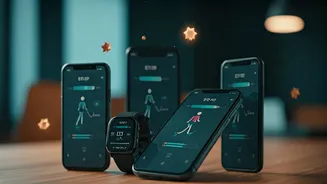
The technology has also evolved significantly. The first-wave trackers were mostly single-purpose gadgets. Today’s devices are far more integrated. The Apple Watch, for example, tracks steps, but it also manages notifications, measures blood oxygen, and lets you take a call. The step count is just one feature among many, making it feel less like the sole purpose of the device. Furthermore, new form factors like the Oura Ring are less conspicuous and focus on holistic health metrics like sleep quality and body temperature, framing steps as just one piece of a much larger wellness puzzle. The technology has become smarter, more passive, and less demanding.
From Competition to Community
The social element has changed, too. While leaderboards still exist, the new wave is more about shared experience than cutthroat competition. Think of the “hot girl walk” trend that exploded on TikTok. It wasn't about who walked the farthest or fastest; it was about the vibe, the podcast you listened to, the cute workout set you wore, and the feeling of self-care. Social fitness apps like Strava have pivoted to emphasize community and encouragement—“kudos” for a nice walk—over pure performance metrics. People are sharing scenic routes and photos from their strolls, not just screenshots of their step counts. It’s less about proving you’re active and more about sharing a pleasant part of your day.