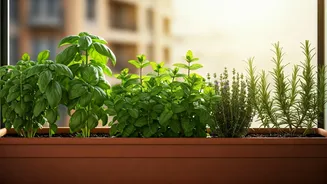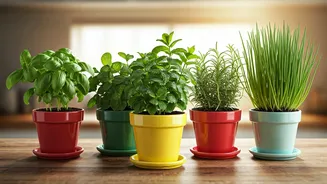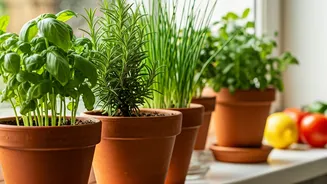





1. Basil: The Taste of Summer
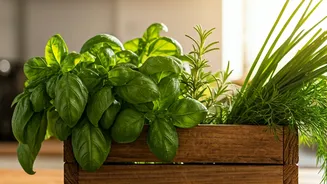
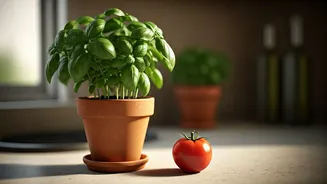
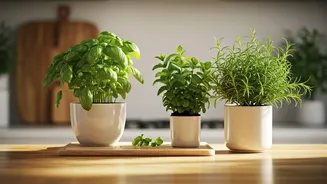
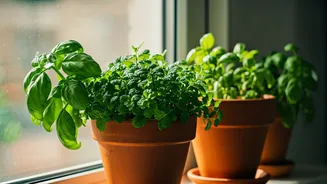
No kitchen herb garden is complete without basil. Its sweet, aromatic leaves are the star of pesto, caprese salads, and countless pasta dishes. Basil is an annual plant that loves sun and heat, so find it the brightest, warmest spot you have—a south-facing
window is ideal. It needs at least six hours of direct sunlight per day. Keep the soil consistently moist but not waterlogged. Water at the base of the plant to prevent fungal issues. The real key to a bushy, productive basil plant is regular harvesting. Once the plant has a few sets of leaves, pinch off the top set. This encourages the plant to branch out, creating more leaves for you to enjoy. Don't let it flower; flowering changes the flavor of the leaves and signals the end of its life cycle. Just pinch off any flower buds as soon as you see them.
2. Mint: The Aggressive Refresher
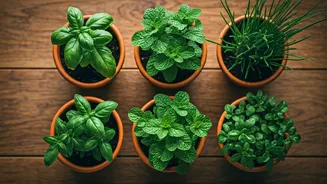
Perfect for mojitos, tea, or a refreshing garnish, mint is famously easy to grow. In fact, it's so vigorous that it’s best kept in a container to prevent it from taking over your entire garden (or apartment). There are many varieties, from spearmint to peppermint to chocolate mint, so pick your favorite. Mint is less fussy about sun than other herbs and can tolerate partial shade, making it a great option for less-than-ideal lighting conditions. It prefers consistently moist soil. Harvest leaves by snipping stems regularly. This not only gives you fresh mint whenever you want it but also encourages the plant to become fuller and bushier. A single mint plant can easily provide more than enough for weekly use.
3. Chives: The Subtle Onion Kick
If you love the flavor of onion but want something milder and fresher, chives are your answer. These slender, grass-like herbs are a member of the allium family and are perfect for sprinkling over eggs, potatoes, and soups. They are incredibly resilient and will come back year after year in a pot. Chives thrive in full sun but will tolerate light shade. They are not demanding about water, but they do best when the soil is kept evenly moist. To harvest, use scissors to snip the leaves about an inch from the base. Never cut them all at once; leave about a third of the plant intact so it can regenerate quickly. Their pretty purple flowers are also edible and make a beautiful garnish for salads.
4. Parsley: The Versatile Workhorse
Often relegated to a simple garnish, parsley is a nutritional powerhouse packed with flavor. Whether you prefer the robust flat-leaf (Italian) variety or the milder curly type, parsley is a must-have. It's a key ingredient in chimichurri, tabbouleh, and is fantastic for brightening up sauces and stews. Parsley enjoys full sun to light shade and prefers rich, moist soil. It’s a biennial, meaning it has a two-year life cycle. In the first year, it focuses on leaf production, which is exactly what you want. Harvest the outer leaves first, cutting the stems close to the base. This allows the inner leaves to continue developing, ensuring a steady supply throughout the growing season.
5. Rosemary: The Aromatic Evergreen
This woody, fragrant herb is perfect for roasting with chicken, potatoes, or lamb. Rosemary is a perennial Mediterranean native that loves sun and hates wet feet. It's an excellent candidate for container gardening, as you can control its soil moisture more easily. Give your rosemary plant at least six hours of bright, direct sunlight. The most common mistake with rosemary is overwatering. Allow the soil to dry out completely between waterings. To harvest, simply snip off a few sprigs as needed. Regular pruning will help keep its shape and encourage new growth. In colder climates, you can bring your potted rosemary indoors to enjoy it through the winter.
Simple Tips for Success
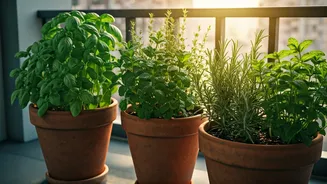
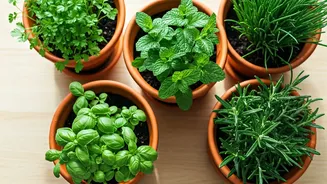
To ensure your indoor herb garden thrives, keep a few basics in mind. Use pots with drainage holes to prevent root rot. A standard, all-purpose potting mix is sufficient for most herbs, but for Mediterranean herbs like rosemary, consider adding sand or perlite to improve drainage. Most importantly, start small. Pick one or two herbs you know you'll use often. The satisfaction of watching them grow—and tasting them in your food—is the best motivation to expand your collection.