






Why Frugal Food Is In
The trend isn't just about saving a few dollars; it's a direct response to a perfect storm of economic pressures. Stubborn inflation has pushed the cost of everything from eggs to olive oil to new heights, forcing households to re-evaluate their spending.
But this isn't the coupon-clipping of yesteryear. The modern budget food movement, popularized on platforms like TikTok and Instagram, reframes frugality as a skill. It’s about resourcefulness and empowerment, not deprivation. It rejects the idea that healthy eating must be expensive and instead champions a return to basics: whole foods, home cooking, and meticulous planning. This shift is less about a specific “diet” and more about adopting a sustainable food philosophy that benefits both your health and your bank account.
Embrace Plant-Powered Proteins
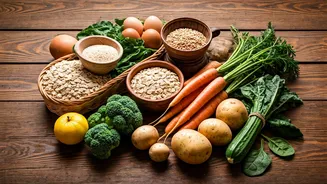
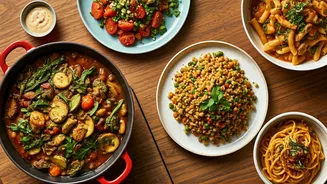
One of the cornerstones of affordable eating is rethinking your protein sources. While meat prices can be volatile and high, plant-based proteins are consistently inexpensive, nutritious, and versatile. A can of chickpeas or black beans often costs less than a dollar and can be the base for numerous meals, from hearty chilis and curries to salads and homemade veggie burgers. Lentils are another pantry powerhouse, perfect for soups, stews, or savory pies. Don't overlook tofu and edamame, either. Shifting even a few meals a week away from meat toward these plant-based options can create significant savings on your grocery bill while delivering a healthy dose of fiber and essential nutrients.
Become a Meal-Planning Master
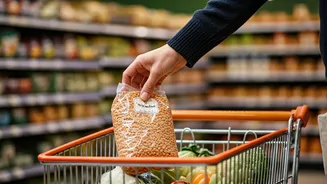
The single most effective strategy for budget eating is meal planning. It sounds like a chore, but it’s the ultimate defense against impulse buys and food waste—two of the biggest budget-killers. Start by taking inventory of what you already have in your pantry, fridge, and freezer. Next, plan your meals for the week around those items and what’s on sale at your local grocery store. Create a detailed shopping list and stick to it religiously. This disciplined approach ensures you buy only what you need, use what you have, and dramatically reduce the amount of food (and money) you throw away. Bonus points for “component prepping”—cooking a big batch of rice, roasting a tray of vegetables, or grilling chicken to use in different meals throughout the week.
Unlock the Frozen and Canned Aisles
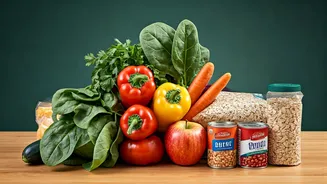
There's a persistent myth that fresh produce is always superior, but the frozen and canned food aisles are a budget-conscious cook's best friend. Fruits and vegetables are typically frozen or canned at their peak freshness, locking in nutrients that can diminish over time in fresh produce. Frozen berries for smoothies, spinach for pastas, and peas for soups are often cheaper and just as healthy as their fresh counterparts, with the added benefit of a long shelf life. The same goes for canned goods. Canned tomatoes are the backbone of countless sauces, and canned fish like tuna and salmon offer an affordable source of omega-3s. Just be mindful of sodium and added sugars; look for options packed in water or their own juice.
Shop Seasonally and Strategically
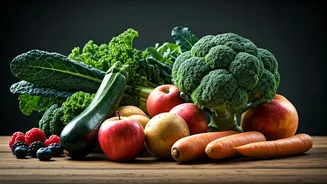
Aligning your diet with the seasons is a classic way to save money. When produce is in season, it’s more abundant and therefore less expensive. A summer diet rich in zucchini, tomatoes, and corn will be far cheaper than trying to buy the same items in the dead of winter. Visit a local farmer's market near closing time to find potential deals. And don't be afraid of “ugly” produce. Many supermarkets and delivery services now offer cosmetically imperfect fruits and vegetables at a steep discount. A misshapen pepper or a slightly bruised apple tastes just the same when chopped into a stew or baked into a pie, and buying them helps reduce food waste on a commercial scale.