

The New Reality of June
Traditionally, the North American Monsoon—a seasonal shift in wind patterns that brings moisture from the Pacific and Gulf of Mexico—would reliably arrive in the Southwest around mid-July. This meant June was a safe bet for travelers seeking uninterrupted
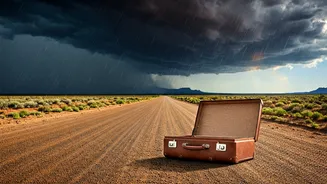
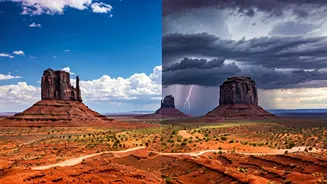
sun and scorching temperatures. That calendar is changing. In recent years, climate patterns have nudged the monsoon’s arrival forward, often into the last two weeks of June. This has effectively cleaved the month into two distinct micro-seasons: the classic, searingly dry 'Early June' and the volatile, dramatic 'Late June.' For travelers, this isn't necessarily bad news, but it requires a new approach to planning. Instead of booking a trip to “June,” you’re now booking a trip to either a classic desert furnace or the stunning overture to storm season.
Part 1: The Dry Heat of Early June
If your vision of a desert vacation involves baking by the pool under a sapphire-blue sky, aim for the first two weeks of June. This period retains the region's classic character. Temperatures in places like Phoenix, Tucson, and Palm Springs regularly soar past 100°F, with bone-dry air and near-constant sunshine. This is the time for luxury resort stays where the pool is the main event. Outdoor activity, like hiking in Sedona’s red rocks or exploring Saguaro National Park, must be a dawn patrol affair, finishing well before the intense heat of late morning sets in. The primary challenge is the heat itself. It’s relentless and can be dangerous if you’re not prepared with water, sun protection, and a respect for its power. But the upside is predictability. Your plans are unlikely to be ruined by weather, and the long days offer beautiful, lingering sunsets.
Part 2: The Monsoon Drama of Late June
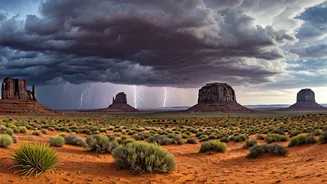
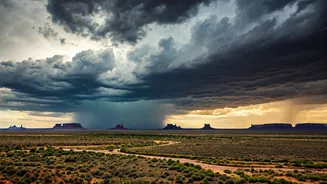
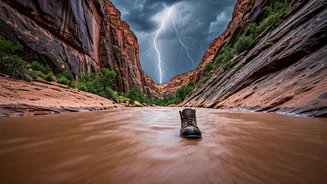
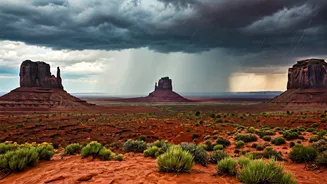
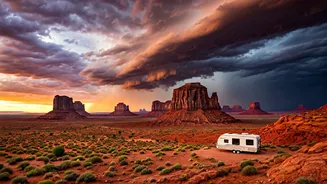
Sometime around mid-month, the switch flips. The air, once dry, becomes noticeably humid. The mornings are often still clear, but by early afternoon, towering cumulonimbus clouds begin to build, creating a spectacular and dramatic skyscape. This is the prelude to the main event: the afternoon thunderstorm. These storms are typically intense but brief, unleashing torrential rain, dramatic lightning, and gusty winds. For travelers, this means a completely different experience. The storms can bring a welcome, if temporary, drop in temperature, and the smell of desert rain (creosote) is unforgettable. It’s a photographer’s dream. However, the monsoon introduces risk and uncertainty. Afternoon hikes can become treacherous due to lightning, and flash floods are a serious danger in canyons and dry riverbeds. Your schedule must be flexible, with outdoor adventures front-loaded in the morning and indoor plans (or a safe place to watch the storm) for the afternoon.
How to Plan for a Split-Season Trip
Successfully navigating a June trip to the Southwest now hinges on which half of the month you choose and how you prepare. For Early June: Pack for heat. Lightweight clothing, a wide-brimmed hat, sunglasses, and reef-safe sunscreen are non-negotiable. Hydration is key; carry more water than you think you'll need. Plan your days around the sun, with activities scheduled for early morning or after sunset. For Late June: Embrace flexibility. Assume your afternoons will be impacted by weather. Always check the forecast before heading out, especially if you're going near low-lying areas or washes. Heed all flash flood warnings—the motto “Turn Around, Don't Drown” is life-saving advice. Have a backup plan, whether it's visiting a museum in Santa Fe, exploring shops in Old Town Scottsdale, or simply enjoying the theatrical light show from your hotel balcony. This is the season for travelers who find beauty in the unpredictable.