



The New Definition of Farm-to-Table
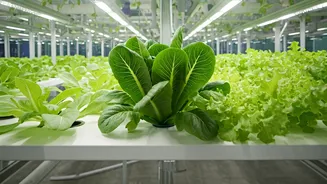
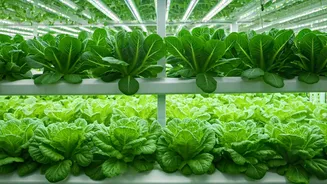
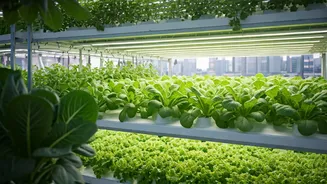
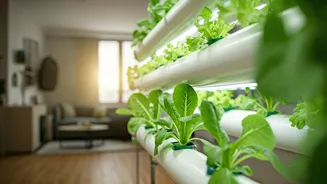
Picture a high-rise apartment in Delhi, one of the world's most densely populated cities. Amidst the urban clamor, inside a climate-controlled room, stand vertical towers glowing under purple LED lights. This isn't a sci-fi movie set; it's the new frontier
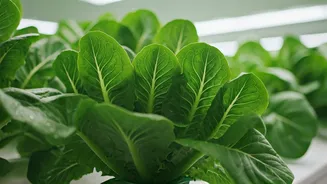
of farming. Instead of soil, lush heads of romaine, kale, and arugula grow directly from nutrient-rich water. These micro-farms, often run by tech-savvy entrepreneurs, operate on a radical premise: the best food is the food grown closest to you. We're not talking about a farmer's market a few miles away. We're talking about produce harvested in the morning from a building down the street and delivered to your door for lunch. This hyper-local model is challenging the entire supply chain, which typically involves produce traveling hundreds, if not thousands, of miles, losing flavor and nutrients along the way.
So, What Is Hydroponics?
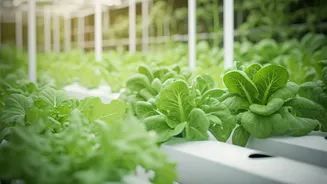
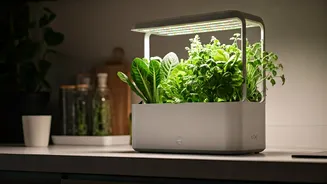
At its core, hydroponics is a method of growing plants without soil. It sounds complex, but the principle is straightforward. Plants get their essential nutrients—like nitrogen, phosphorus, and potassium—from the soil. Hydroponics simply cuts out the middleman. Instead of roots searching through dirt, they are suspended in a water-based solution that has been precisely fortified with all the necessary minerals. This entire system is usually housed indoors, allowing growers to control every variable: light, temperature, humidity, and nutrition. The benefits are significant. Compared to traditional agriculture, hydroponic systems can use up to 90% less water, require zero pesticides (since pests are an outdoor problem), and, because they can be stacked vertically, produce a far greater yield in a smaller footprint. It’s a method of farming perfectly suited for a world of growing cities and shrinking resources.
The 'Better Than Premium' Claim
The headline's claim that this apartment-grown lettuce “beats” premium brands isn't about winning a formal, scientific taste-off. It’s about a fundamental shift in what consumers value. When a head of lettuce is harvested just hours before it lands on your plate, it possesses a crispness and flavor that grocery store produce simply can't match. Even the most “premium” organic lettuce from a high-end store has likely spent days in transit and refrigerated storage, slowly degrading. The apartment-grown lettuce offers what we can call “peak freshness.” Consumers in Delhi report that the greens are crunchier, sweeter, and more vibrant. Furthermore, in a city where concerns about water contamination and pesticide residue on food are common, the promise of produce grown in a sealed, clean environment using filtered water is the ultimate luxury. It's not just better-tasting; it's perceived as safer and purer.
A Solution for a Megacity
This trend isn’t just a foodie fad; it's a practical solution to real-world problems. Delhi, like many megacities, faces immense logistical hurdles in feeding its nearly 20 million residents. Traditional supply chains are long, inefficient, and vulnerable to disruption. Food spoilage is a massive issue. By decentralizing food production and bringing it directly into urban neighborhoods, hydroponic farms can ensure a stable, year-round supply of fresh produce, regardless of weather or external shocks. For a growing urban middle class in India with disposable income and a rising awareness of health and wellness, the appeal is undeniable. They are willing to pay a premium for food they can trust—food that comes with a story and the assurance of quality.
A Glimpse of a Global Future
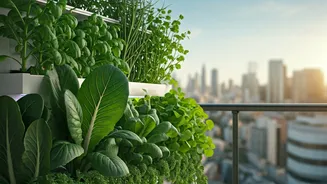
While this story is unfolding in Delhi, the narrative is global. From New York to Singapore to Dubai, vertical and urban farming is taking root. Companies in the U.S. like AeroFarms and Plenty are building massive indoor farms with the goal of disrupting the agricultural industry. What the Delhi apartment model shows, however, is a more distributed, democratized vision of this future. It suggests that you don't need a billion-dollar venture to participate. With falling costs for LED lights and hydroponic equipment, small-scale entrepreneurs can become key players in their local food ecosystems. It’s a powerful vision that combines technological innovation with a return to an old-fashioned ideal: knowing the person who grows your food.