






The Great Digital Detox
The constant buzz of a smartphone has become the soundtrack to modern life, and for a growing number of people, the only cure is intentional silence. The core appeal of many nature retreats is the enforced—or at least strongly encouraged—digital detox.
This isn't just about leaving your laptop at home; it's about creating an environment where the pull of the screen is replaced by the pull of the present moment. Without the constant pings and pressures of email, social media, and the 24-hour news cycle, the mind is free to wander, rest, and reset. This intentional disconnection is a powerful antidote to the information overload that defines our daily existence. It’s a recognition that our brains, like our bodies, need periods of genuine, uninterrupted rest to function optimally. In a world that demands constant availability, choosing to be unavailable is the ultimate luxury.
More Than Just a Vacation
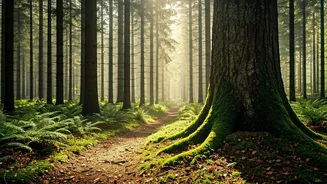
A traditional vacation often involves a packed itinerary, new cities to conquer, and a checklist of sights to see. A nature retreat operates on a different philosophy entirely. It’s less about doing and more about being. These experiences are distinct from a typical spa day, which might offer a few hours of pampering. Instead, nature retreats are immersive, multi-day journeys designed to foster a deeper connection with oneself and the surrounding environment. Activities are often slow-paced and mindful, like guided forest bathing (the Japanese practice of 'shinrin-yoku'), silent hikes, outdoor yoga sessions, or simply sitting by a stream. The goal isn’t to escape life but to re-engage with it on a more fundamental level, stripped of the noise and distractions of the urban grind.
A Direct Response to Burnout
The rise of the nature retreat is inextricably linked to the epidemic of modern burnout. Post-pandemic shifts in work culture, the blurring of lines between home and office, and an 'always-on' mentality have left millions of Americans feeling exhausted and depleted. A week in a bustling city or a party destination can feel like it requires more energy than it gives. Nature retreats offer a different kind of currency: restoration. They provide a space where the nervous system can downshift from a state of constant fight-or-flight. The combination of fresh air, natural light, physical movement, and quiet contemplation has been shown to lower cortisol levels, reduce blood pressure, and improve mood. It’s a proactive form of self-care, a strategic retreat from the battlefield of daily stress to recharge and build resilience.
What It Actually Looks Like
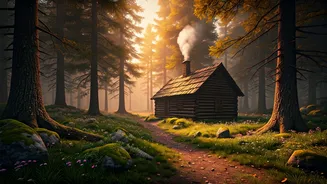
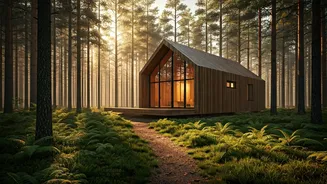
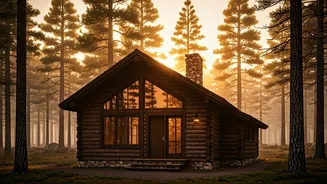
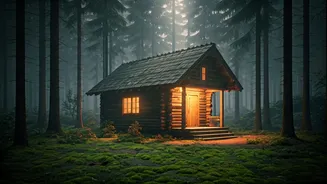
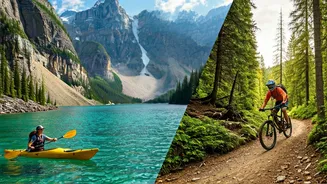
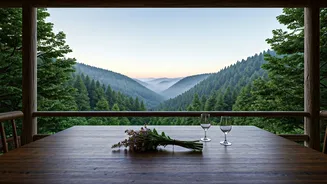
While the concept may sound abstract, the reality is beautifully simple. A nature retreat might mean staying in a rustic cabin in the mountains of Colorado, a minimalist yurt in the California desert, or a cozy lodge in the woods of New England. Days are structured around natural rhythms rather than a clock. Mornings might begin with a sunrise meditation instead of an alarm. Meals are often a central part of the experience—communal, locally sourced, and thoughtfully prepared. Afternoons could be spent learning about local flora on a guided walk, kayaking on a serene lake, or simply reading in a hammock. The emphasis is on simple, sensory pleasures: the smell of pine after rain, the feeling of sun on your skin, the sound of crickets at dusk. It’s a holistic experience that nourishes the body, calms the mind, and speaks to a primal human need for connection with the natural world.