

So, What Exactly Are Millets?
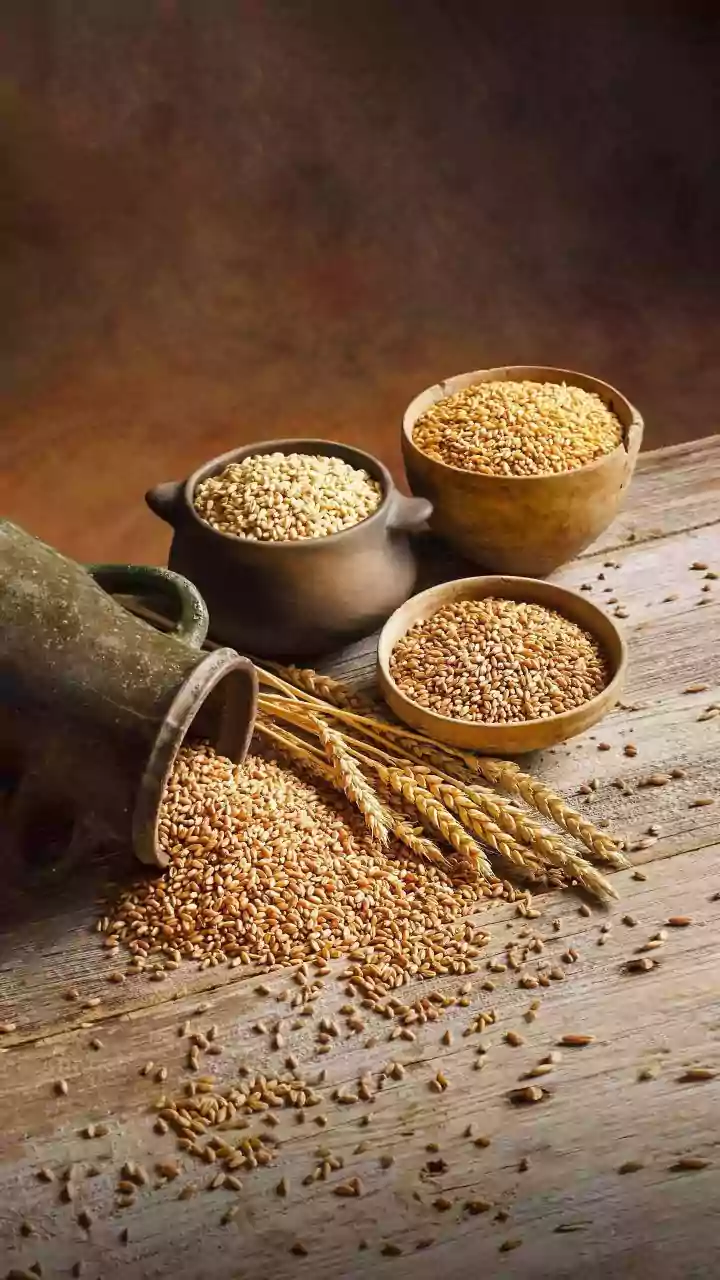
If you’re picturing birdseed, you’re not entirely wrong, but you are missing the bigger picture. Millets are not a single grain but a diverse group of small-seeded grasses that have been cultivated for thousands of years across Africa and Asia. They are some
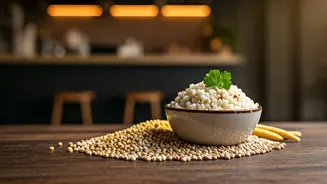
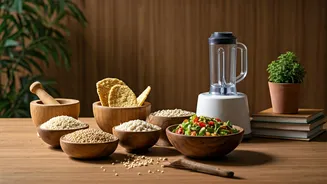
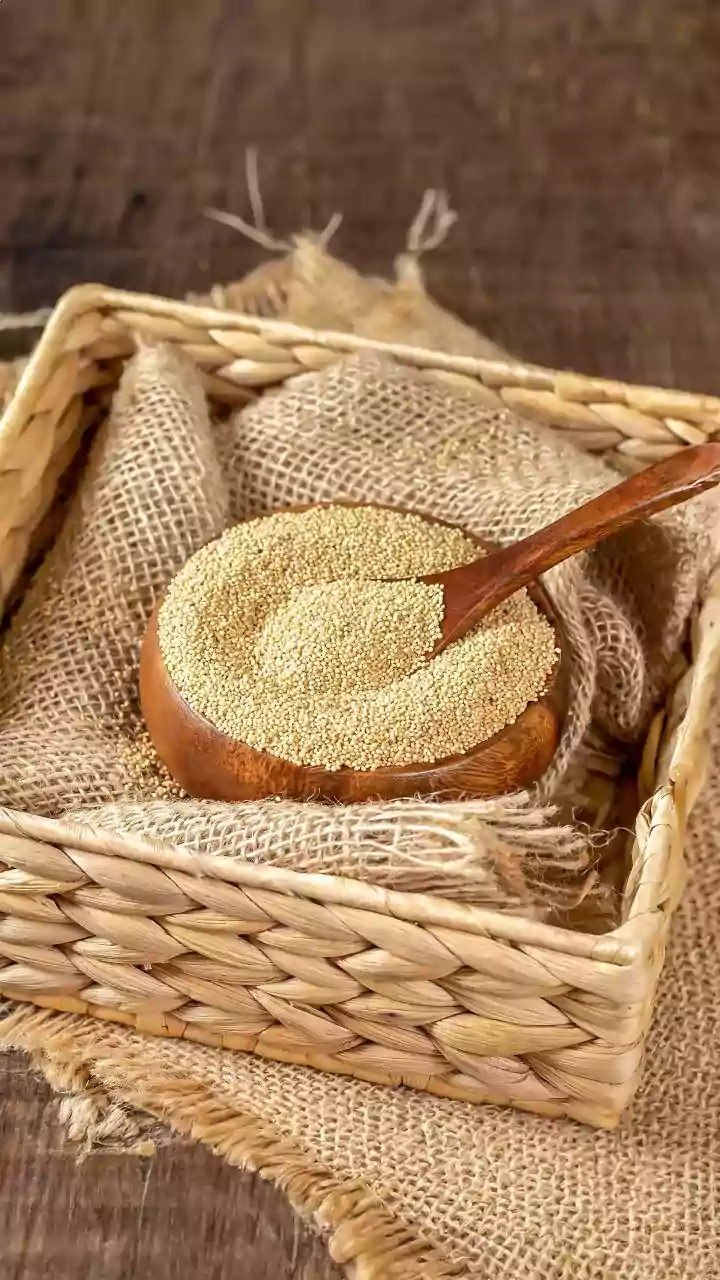
of humanity’s oldest foods, predating many of the grains we now consider staples. Unlike wheat or rice, they come in a variety of forms, from the tiny, couscous-like fonio to the more common pearl, foxtail, and proso millets you might find in a U.S. health food store. Think of them less as one specific ingredient and more as a family of versatile grains, each with a slightly different texture and a mild, nutty flavor that makes them an excellent canvas for other ingredients.
The Ultimate Café Ingredient
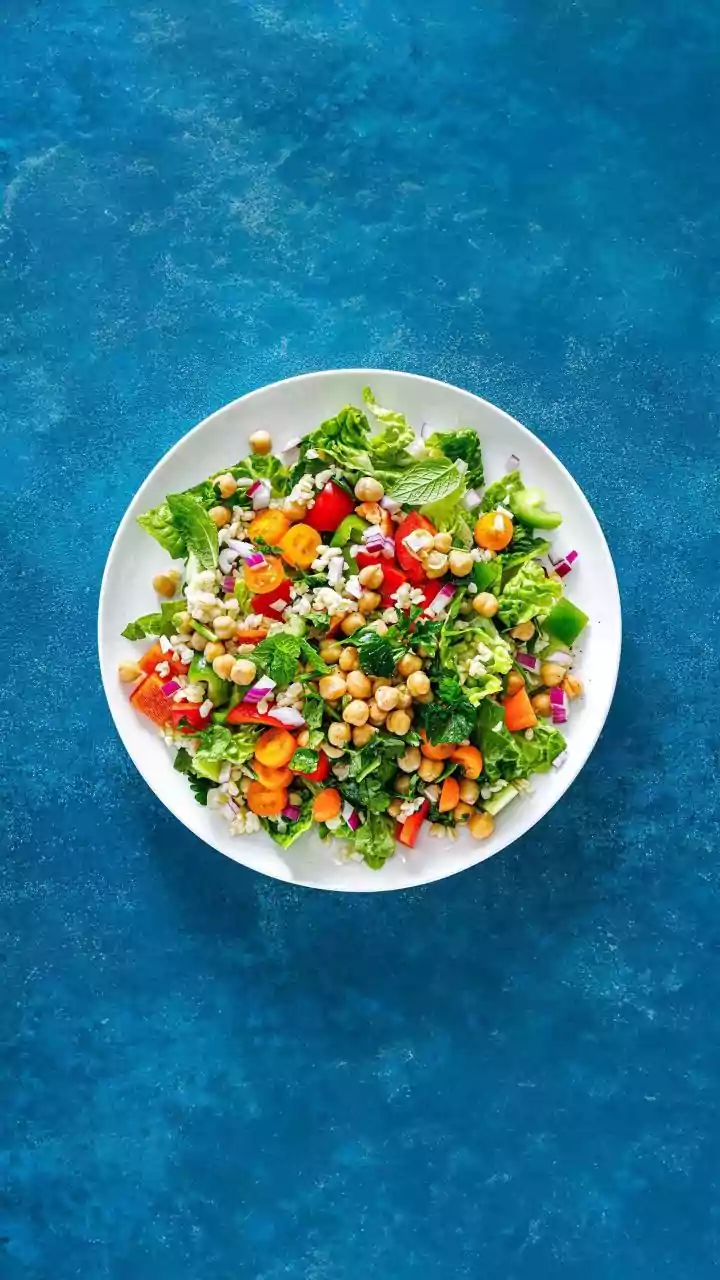
For the modern café, millets are a problem-solver. Their biggest selling point? Most varieties are naturally gluten-free, instantly expanding the menu for a growing customer base with dietary restrictions. But their appeal goes far beyond that. Cooked millet can form the base of a hearty breakfast porridge, rivaling oatmeal with its creamy texture and higher protein content. It’s a perfect addition to vibrant, nutrient-dense grain bowls and salads, where its slightly toothsome bite holds up well against dressings and vegetables. Some creative chefs are even grinding millet into flour to create gluten-free baked goods, from pancakes to savory flatbreads. This versatility allows a single, affordable ingredient to play multiple roles on a menu, streamlining inventory while adding a touch of worldly, wholesome appeal.
A Win for the Home Cook
What works for a professional kitchen is often a huge benefit at home, and millets are no exception. They are incredibly forgiving and easy to prepare. Most types cook in about 15-25 minutes, often faster than brown rice, using a simple 2:1 ratio of liquid to grain. You can cook them to be fluffy like quinoa, creamy like polenta, or even crispy by toasting them in a pan. This adaptability makes them a fantastic pantry staple. Use millet as a simple side dish instead of rice or pasta. Toss it into soups and stews to add body and texture. Make a big batch at the beginning of the week to use as a base for quick lunches, stir-frying it with leftover vegetables and a dash of soy sauce. It readily absorbs flavors, meaning it pairs well with just about anything, from a spicy curry to a simple lemon-herb vinaigrette.
More Than Just Another Health Food
While the nutritional profile is impressive—millets are rich in fiber, protein, and essential minerals like magnesium and phosphorus—their biggest story might be their environmental credentials. In a world increasingly concerned with climate change and water scarcity, millets are a farmer’s best friend. Many varieties are exceptionally drought-resistant and can thrive in poor soil with minimal fertilizer or pesticides. They are what agricultural experts call a “climate-smart” crop. By choosing millets, consumers are supporting a food system that is more resilient and less taxing on the planet’s resources. This combination of personal health benefits and global ecological responsibility is precisely what makes them feel so right for this moment.
Getting Started in Your Kitchen
Ready to give them a try? You can find hulled millet in the bulk bins of most health food stores, in the grains aisle of larger supermarkets, or online. Bob's Red Mill is a widely available brand. To cook, simply bring two cups of water or broth to a boil, add one cup of rinsed millet, then reduce the heat, cover, and simmer for about 20 minutes, or until the liquid is absorbed. Fluff with a fork and you’re ready to go. From there, the possibilities are endless. Start by swapping it into a recipe where you’d normally use quinoa or couscous—you’ll be surprised at how seamlessly this ancient grain fits into your modern cooking routine.