




The End of Hustle Culture's Reign
For years, the mantra was 'rise and grind.' Success, we were told, was forged in the sleepless hours before dawn and long after dusk. Tech founders, Wall Street wolves, and ambitious creatives alike romanticized burnout, wearing their exhaustion like a medal.
Running on fumes was synonymous with dedication. But a cultural shift is underway. We've collectively hit a wall, realizing that perpetual exhaustion doesn't lead to brilliance—it leads to burnout, anxiety, and diminished returns. The very people who once championed sleeplessness are now leading the charge in the other direction, recognizing that true performance isn't about output alone, but the intelligent, deliberate restoration that fuels it.
Enter the Quantified Sleeper
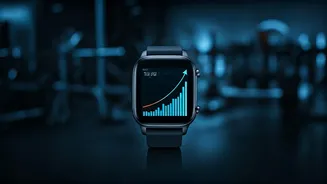
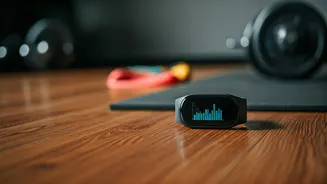
So, how does one 'flex' sleep? With data, of course. The proliferation of wearable technology like the Oura Ring, Whoop strap, and advanced smartwatches has turned the mysterious act of sleeping into a quantifiable, competitive sport. These devices track everything from your sleep stages (light, deep, REM) and heart rate variability (HRV) to your body temperature and respiratory rate. In the morning, you’re not just awake; you’re presented with a 'Sleep Score' or a 'Readiness' percentage. This gamification has created a new language of wellness. Conversations in offices and gyms now include phrases like, 'My HRV was in the green today,' or 'I finally hit 90 minutes of REM.' Sharing a screenshot of a near-perfect sleep score on social media is the new equivalent of posting a post-marathon selfie.
Following the Pro-Athlete Playbook
Much of this trend has been supercharged by elite athletes, the original high-performers. For decades, they focused on training and nutrition. Now, recovery is seen as the third, equally critical pillar of peak performance. Superstars like LeBron James, who reportedly spends over a million dollars a year on his body, is famously meticulous about his sleep routine. Tom Brady, another icon of athletic longevity, co-founded a company that sells 'recovery sleepwear.' When the world's most successful athletes treat sleep not as downtime but as a crucial part of their training regimen, the rest of the world takes notice. The message is clear: if you want to perform at your best, whether in the boardroom or on the basketball court, you need to prioritize what happens when the lights go out.
More Than Just Bragging Rights
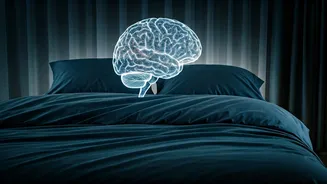
While the 'flex' aspect is what makes the trend culturally sticky, the movement is grounded in solid science. Quality sleep is not a luxury; it’s a biological necessity. It's during deep sleep that the body repairs muscle, consolidates memories, flushes toxins from the brain, and regulates crucial hormones related to appetite and stress. A lack of restorative sleep has been linked to a host of problems, from impaired cognitive function and weakened immunity to an increased risk of chronic diseases. The focus on 'sleep recovery' encourages a more holistic view. It’s not just about getting eight hours, but about the quality of those hours. It prompts us to improve our sleep hygiene—creating cool, dark, and quiet environments; avoiding screens before bed; and establishing consistent sleep schedules. In that sense, the flex is less about showing off and more about a genuine investment in long-term health and well-being.