


The Scale of the Problem
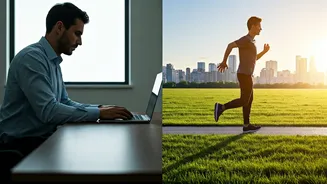
To understand the rise of 'small moves', you first have to understand the problem they’re solving. Like many rapidly developing nations, India is facing a public health crisis driven not by a virus, but by stillness. Rapid urbanization, a boom in desk-bound
tech and service jobs, and longer commute times have fundamentally reshaped daily life. The incidental activity that once defined the day—walking to the market, manual household chores, active labor—is fading. The World Health Organization has been sounding the alarm for years. Studies, including a significant one from The Lancet, have shown that a large percentage of the Indian population doesn't meet recommended physical activity levels. This isn't just about weight gain; it's about a dramatic rise in non-communicable diseases (NCDs) like type 2 diabetes, hypertension, and cardiovascular issues, which now account for a staggering majority of deaths in the country. The problem isn't a lack of desire to be healthy, but a lack of time and opportunity in a high-pressure, modernizing world.
Rejecting the 'Gym or Nothing' Mindset
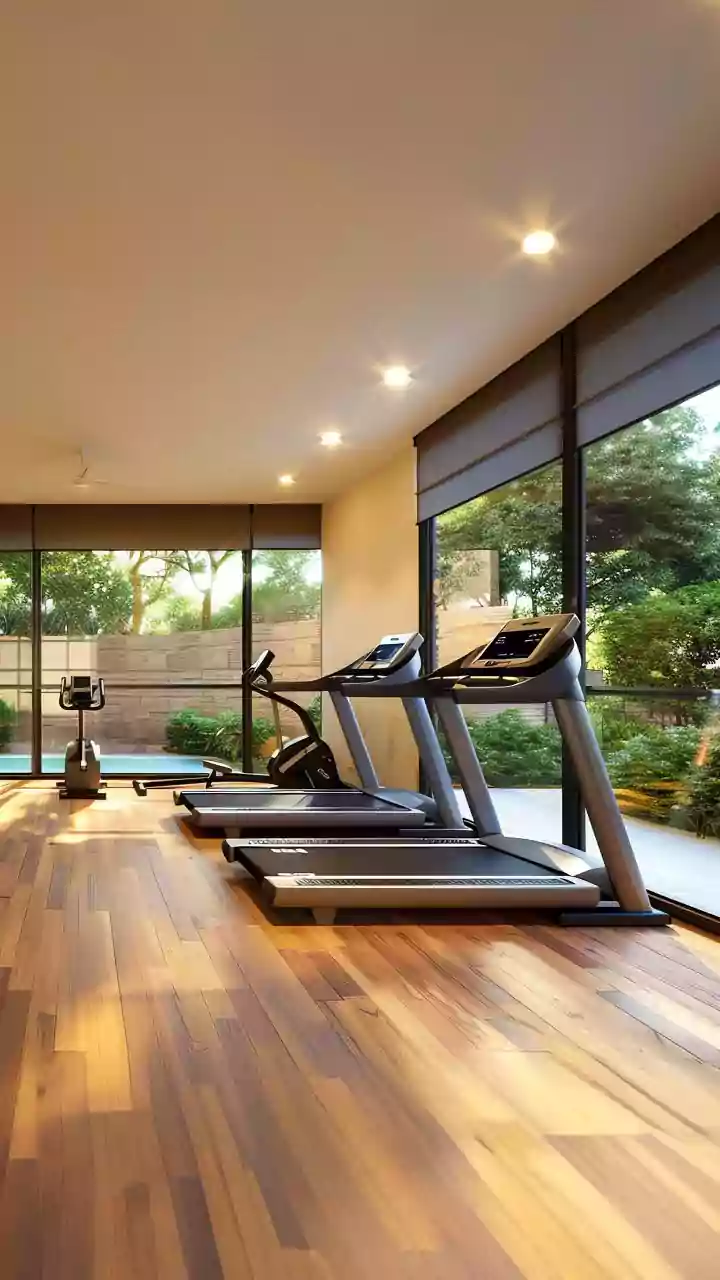
For decades, the dominant image of 'fitness' has been a commercialized, high-effort ideal: the gleaming gym, the expensive gear, the grueling hour-long session. While that works for some, it creates a psychological barrier for many more. If you can't commit to the full hour, it feels like a failure, so you do nothing. This is the all-or-nothing trap. The 'small moves' philosophy is a direct rebellion against this thinking. It’s a practical and forgiving approach that acknowledges the realities of a busy life. The core insight is that the human body doesn’t just benefit from formal, structured exercise. It benefits from *all* movement. The goal shifts from 'exercising' for an hour to 'being active' throughout the day. It reframes the conversation from daunting workouts to accessible, bite-sized opportunities for motion, making health feel less like a project and more like a part of life's natural rhythm.
So, What Are 'Small Moves'?
Think of it as 'exercise snacking.' Instead of one big meal of activity, you have small, frequent snacks. These are low-impact, low-sweat activities integrated into your existing routine. The beauty is in their simplicity and spontaneity. In an Indian context, this might mean a professional in Bangalore doing a few squats while their chai boils, or a Mumbai resident consciously taking the stairs in their high-rise apartment building. It’s about pacing around the room during a long phone call, doing stretches at your desk between meetings, or choosing to walk to a neighborhood store instead of taking an auto-rickshaw for a short trip. For an American audience, the parallels are clear. It’s the same logic behind parking farther away from the grocery store entrance, doing calf raises while waiting in line for your coffee, or committing to a five-minute walk around the block after lunch. The key is that these actions are too small to talk yourself out of. They don't require changing clothes, driving to a special location, or blocking out a significant chunk of your calendar. They accumulate, creating a foundation of activity that might not have existed otherwise.
A Sustainable Shift, Not a Fad
While the term might be trendy, the underlying principle is rooted in the science of NEAT, or Non-Exercise Activity Thermogenesis. This is the energy you burn for everything you do that isn't sleeping, eating, or sports-like exercise. Increasing your NEAT is a proven way to boost your metabolism and improve overall health. What’s happening in India isn't just a fitness fad; it’s a necessary public health adaptation. It’s a grassroots solution to a systemic problem. Health apps are integrating 'small move' reminders, wellness influencers are championing consistency over intensity, and companies are beginning to recognize the benefits of encouraging short activity breaks. This philosophy empowers individuals to take back control of their health in a way that feels achievable and sustainable, which is why its appeal is becoming global. It’s a quiet revolution against the sedentary forces of modern life, one small move at a time.