



The End of the Transformation Fantasy
For years, fitness culture was dominated by the “transformation.” Think dramatic before-and-after photos, 30-day shred challenges, and the promise of a completely new body if you just pushed hard enough. The underlying message was one of brute force:
overhaul your life, endure grueling workouts, and restrict your diet to achieve an aesthetic ideal. While motivating for a few, this approach has a notoriously high failure rate. It frames fitness as a temporary, punishing project rather than a lifelong practice. The burnout is predictable. When you set a goal like “lose 30 pounds by spring break” or “get a six-pack in 60 days,” anything less than perfection feels like a total failure, making it easy to quit entirely. This model, amplified by social media, created a cycle of shame and disappointment for millions.
From Looking Good to Feeling Good
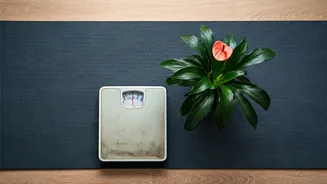
The new movement isn't about giving up; it's about getting smarter. Trainers and industry experts are noticing a significant change in what their clients are asking for. The focus is shifting from purely aesthetic outcomes to metrics of well-being and capability. Instead of saying, “I want to look like that,” people are saying, “I want to feel stronger,” “I want to have more energy to play with my kids,” or “I want to manage my stress better.” This is a profound evolution. It redefines a “win” in the gym. A win is no longer just a number on the scale; it’s being able to lift a heavier weight than last month, finishing a run without stopping, or simply leaving the gym feeling mentally clearer and less anxious. This approach decouples self-worth from appearance and ties it to personal progress and health, creating a much more positive feedback loop.
The Rise of 'Soft' and Sustainable Fitness
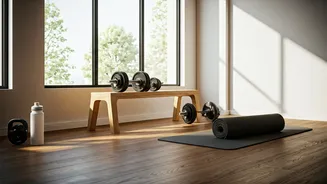
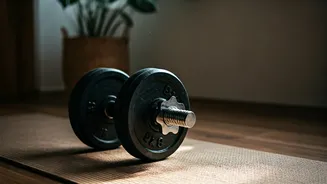
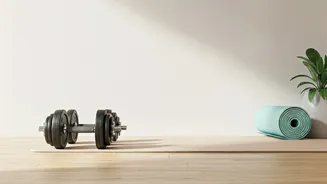
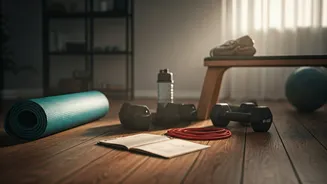
This changing mindset has given rise to what some call “soft fitness” or “low-impact wellness.” It champions consistency over intensity. Instead of demanding five high-intensity interval training (HIIT) sessions a week, the new goal might be to simply move your body for 30 minutes every day. That could be a brisk walk, a gentle yoga flow, a Pilates class, or a light session with dumbbells at home. The key is reducing the barrier to entry. When the goal isn't to destroy yourself in a workout, it’s much easier to stay consistent. This approach aligns with a broader cultural rejection of “hustle culture,” recognizing that sustainable habits are built through small, repeatable actions, not massive, draining efforts. It’s about finding joyful movement that fits into your life, rather than contorting your life to fit a punishing fitness regimen.
How to Set Goals You'll Actually Keep
So, how do you adopt this new philosophy? First, focus on habits, not just outcomes. Instead of “I will run a marathon,” try “I will run three times a week,” starting with a manageable distance. The habit is what you can control. Second, embrace flexibility. If you miss a day, it’s not a catastrophe. The old mindset would lead to quitting; the new one encourages you to just get back to it the next day. Third, track performance and feeling, not just aesthetics. Keep a log of how much you’re lifting, how far you’re running, or even just your mood and energy levels after a workout. Seeing that you’re getting stronger or feeling better is a powerful motivator. Finally, celebrate the small victories. Finishing your planned workouts for the week is a huge accomplishment worthy of acknowledgement. It’s these small, consistent wins that build momentum and turn fitness into a fulfilling part of your life.