







Beyond Traditional Vegetarianism
First, let's get one thing straight: vegetarianism isn't new in India. For centuries, a significant portion of the population has abstained from meat, largely for religious and cultural reasons. Indian cuisine is a masterclass in meat-free cooking, with
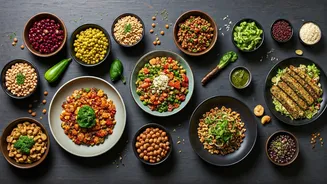
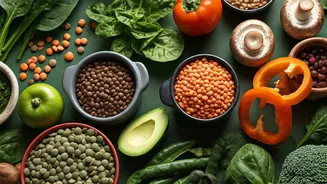
a vast and complex universe of dishes built on lentils, chickpeas, paneer, and vegetables. But the new trend isn't about dal makhani or palak paneer. It's about being 'plant-based'—a term that, in modern parlance, often means 100% vegan and is tied to global conversations about health, ethics, and the environment. Traditional Indian vegetarian diets are often lacto-vegetarian, meaning they heavily feature dairy products like ghee (clarified butter), yogurt, and paneer (a fresh cheese). The new plant-based movement, however, challenges that. It's about oat milk lattes, burgers made from jackfruit, and 'cheese' cultured from cashews. It aligns with the veganism sweeping through cities like Los Angeles and London, but with a uniquely Indian twist.
The New Generation's Appetite for Change
So, who is driving this shift? Overwhelmingly, it’s India’s urban millennials and Gen Z. This is a generation that grew up with the internet, follows global influencers on Instagram, and is acutely aware of international trends and conversations. For them, choosing a plant-based meal isn't just about adhering to family tradition; it's a conscious, personal choice that signals their values. Their motivations are multifaceted. Health and wellness are huge drivers, with many young Indians seeking cleaner diets. There's also growing awareness of the environmental impact of industrial animal agriculture, a concern that resonates globally. And finally, there's the aspirational factor. Dining at a trendy vegan cafe in Mumbai or Bengaluru is a lifestyle statement, a way of participating in a modern, global culture. It’s seen as cool, conscious, and forward-thinking.
What's Actually on the Menu?
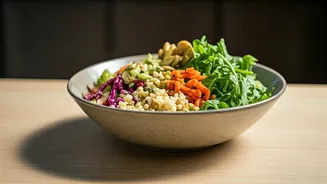
Walk into one of the chic new plant-based eateries in a major Indian city, and you won't just find modified Indian food. The menus are creatively global. You're likely to see smoothie bowls topped with granola, sourdough toast with avocado, and tacos filled with spiced mushrooms. Pizzas come loaded with vegetables and nut-based cheeses, and burgers feature hearty patties made from beans, lentils, or plant-based meat alternatives. Chefs are getting incredibly innovative, using local ingredients to create globally inspired dishes. Imagine a 'pulled pork' sandwich made from tender, fibrous jackfruit, a common ingredient in South Indian cooking, but now served on a brioche bun with barbecue sauce. These restaurants aren't just selling food; they're selling an experience that feels both familiar and excitingly new, proving that plant-based eating can be indulgent and innovative, not just restrictive.
A Booming Business Opportunity
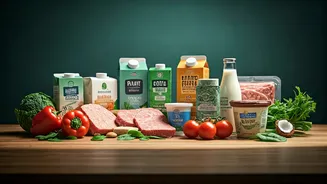
Where there’s a trend, there’s a business opportunity. Entrepreneurs and investors are taking notice. A wave of homegrown Indian startups is now producing everything from mock meats to a dizzying array of plant-based milks and yogurts. These products are moving beyond niche health food stores and landing on mainstream supermarket shelves, making it easier than ever for the average consumer to experiment with a plant-based lifestyle. This isn’t just a local phenomenon. International plant-based giants are also eyeing India's massive market of 1.4 billion people. While the country's existing vegetarian base presents a unique landscape, the growing appetite among its youth for modern, convenient, and aspirational food products makes it a tantalizing new frontier for the global plant-based industry. The result is a dynamic, competitive market that is rapidly expanding the options available to Indian diners.