
From Global Pantry to Local Terroir
For decades, the definition of a “fancy” meal was built on a foundation of imported extravagance. Fine dining meant Russian caviar, Spanish ham, and Japanese seafood, all available year-round thanks to the magic of refrigerated air freight. A restaurant’s
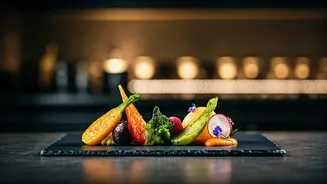
prestige was often measured by its ability to procure the rarest and most expensive ingredients from every corner of the globe. But a quiet, powerful revolution has been reshaping the very definition of culinary luxury. Today, many of the country's most acclaimed chefs are turning their backs on the global pantry and looking, quite literally, into their own backyards. This is the essence of the local and seasonal movement: a philosophy that champions ingredients at their absolute peak, sourced from nearby farms, fields, and waters.
The Pioneers of Place-Based Dining
This isn't an entirely new idea, but it has reached a critical mass. The seeds were planted decades ago by culinary visionaries like Alice Waters at Chez Panisse in Berkeley, California. Since the 1970s, Waters has been a tireless advocate for the simple, profound pleasure of a sun-ripened tomato or a freshly picked peach. Her work laid the philosophical groundwork for a new generation. More recently, chefs like Dan Barber of Blue Hill at Stone Barns in New York have taken the concept to its intellectual and creative zenith. Barber doesn't just cook with local ingredients; he collaborates with farmers and seed breeders to create new varieties of vegetables that express the unique character—the *terroir*—of his region. This approach transforms the chef from a mere artist into an active participant in the agricultural ecosystem.
Why a Local Carrot Can Beat Global Caviar
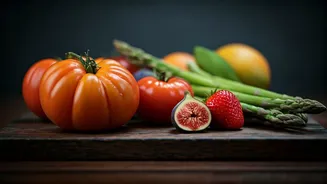
So, why the shift? It’s driven by a confluence of factors. First and foremost is flavor. An asparagus spear picked that morning and served that night possesses a sweetness and vitality that its jet-lagged counterpart, flown in from Peru in December, simply cannot match. Diners are discovering that true luxury is the taste of an ingredient at its ephemeral peak. Beyond flavor, sustainability has become a major motivator for both chefs and consumers. Sourcing locally reduces the carbon footprint associated with long-distance food transport and fosters a more resilient, community-focused food system. It’s a vote with the fork for a healthier planet and a stronger local economy, where the money spent on produce goes directly to the farmer who grew it.
Redefining the Luxury Experience
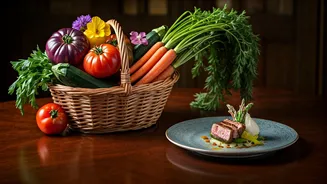
This movement fundamentally changes what we consider a luxury experience. The new luxury isn't about conspicuous consumption; it’s about connection and narrative. It’s about understanding that the strawberry on your plate was grown by a specific person at a specific farm and is only available for three perfect weeks in June. The story behind the food—the soil, the season, the farmer—becomes as important as the technique used to prepare it. This constraint also forces incredible creativity. A chef in New England can’t rely on tomatoes in February. Instead, they must master the arts of preserving, fermenting, and cellaring, finding deliciousness in root vegetables, winter greens, and cured meats. The menu becomes a living document of a time and a place, making each meal a unique, unrepeatable event.