


Defining the New Aesthetic
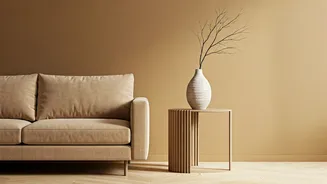
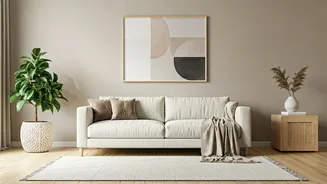
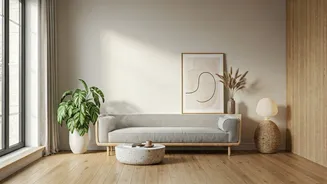
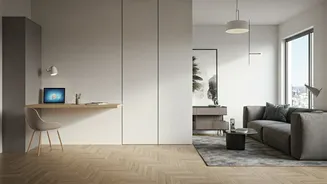
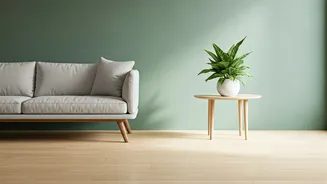
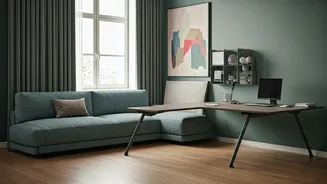
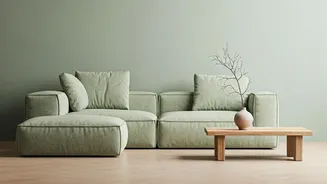
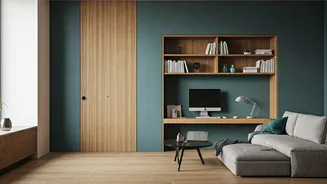
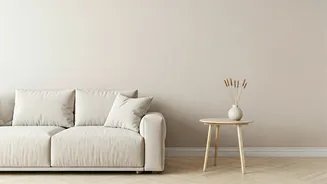
So, what exactly is “Calm Utility”? It’s a design philosophy that marries the clean, functional lines of global minimalism with a distinctly Indian soul. Picture spaces bathed in natural light, with walls painted in earthy, muted tones like terracotta,
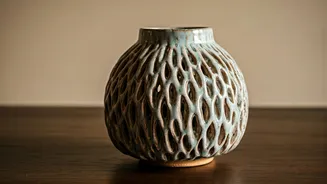
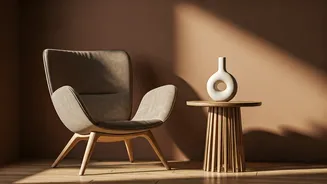
sage, and sand. Furniture is low-slung, multi-functional, and often made from light-colored woods, cane, or rattan. The focus is on texture over pattern—the smoothness of polished concrete floors, the roughness of a lime-plastered wall, the soft weave of a hand-loomed cotton throw. It’s an uncluttered, breathable approach to living where every object has a purpose and a place. The “calm” comes from the serene, almost monastic atmosphere it creates, while the “utility” ensures that the home works hard for its inhabitants, especially in the context of modern urban life.
A Break From Ornate Tradition
This aesthetic represents a significant departure from the interior styles that dominated for decades. For many, the quintessential Indian home—particularly among older generations—was a showcase of prosperity and heritage. This often translated into rooms filled with dark, intricately carved teak or rosewood furniture, heavy silk curtains, and an abundance of decorative objects, brass idols, and vibrant textiles. While beautiful and rich with history, that maximalist approach can feel visually heavy and less suited to the pace and spatial constraints of contemporary life. The shift to Calm Utility is a quiet rebellion of sorts. It’s a move away from inherited, formal spaces toward creating personal sanctuaries that soothe rather than impress. It’s less about displaying wealth and more about cultivating well-being.
The Drivers of the Shift
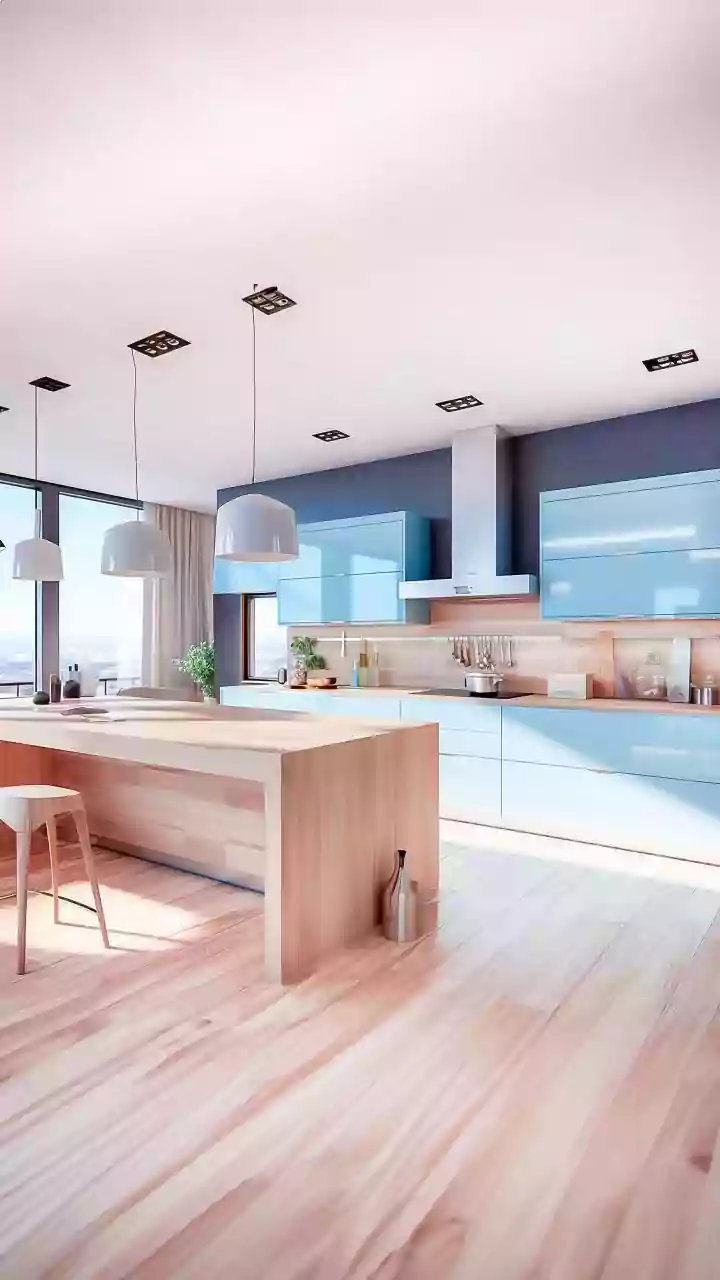
Several forces are fueling this trend. First is urbanization. As millions flock to megacities like Mumbai, Delhi, and Bengaluru, living spaces are shrinking. In a compact apartment, functionality isn’t a luxury; it’s a necessity. Calm Utility, with its emphasis on decluttering, smart storage, and multi-purpose furniture, is a practical response to this urban squeeze. Second is global exposure. A younger, well-traveled, and internet-savvy generation of Indians is fluent in global design languages, from Scandinavian hygge to Japanese wabi-sabi. They are adept at borrowing principles they admire and adapting them to their own context. Finally, the pandemic accelerated a universal desire for homes to be havens—safe, organized, and calming retreats from a chaotic world. The home became an office, a school, and a gym, reinforcing the need for it to be, above all, a functional and peaceful space.
Finding the 'Indian' in the Calm
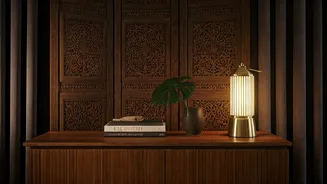
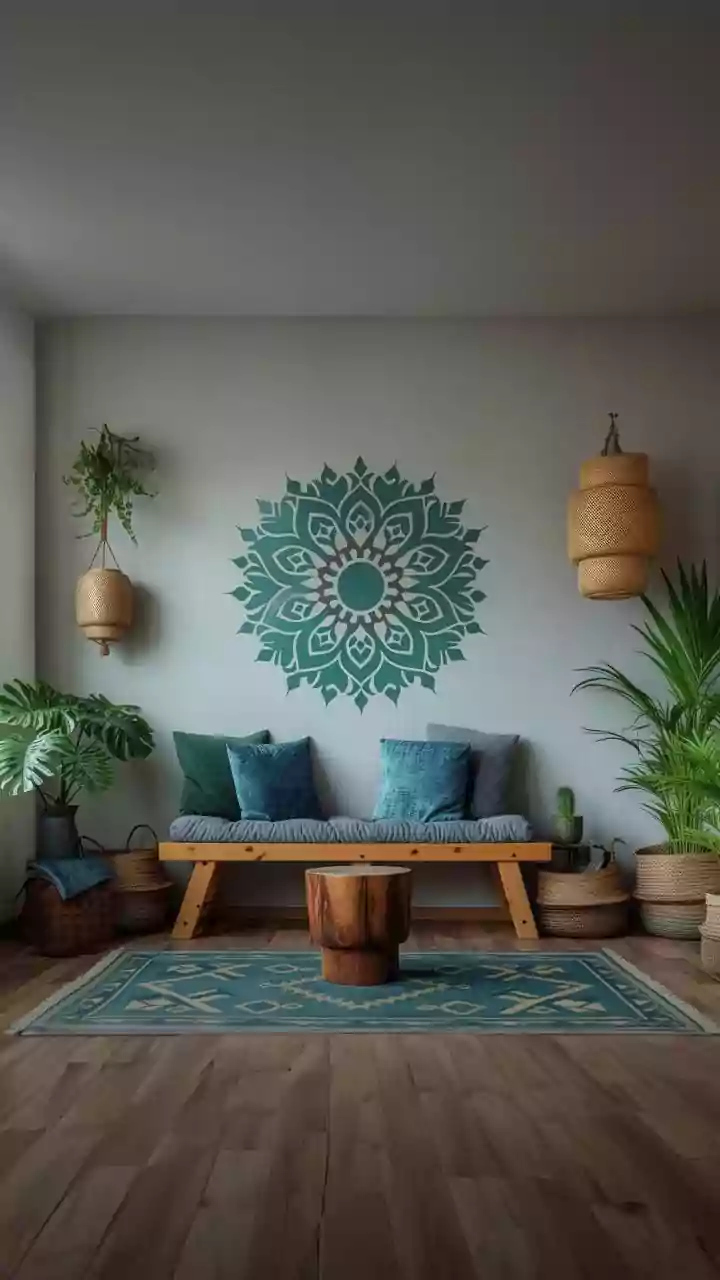
But this is not a simple imitation of Western or East Asian minimalism. The most exciting aspect of Calm Utility is how it remains deeply rooted in Indian identity. Instead of importing Nordic pine, designers are celebrating local materials like terrazzo (a classic flooring in India), Jaipur rugs in muted palettes, and furniture crafted from sustainable Indian teak and cane. Traditional craft techniques are being preserved and re-contextualized. A hand-carved wooden panel might be used not on a heavy cabinet, but as a subtle piece of wall art. Block-printed textiles are still present, but perhaps as a single cushion on a neutral sofa rather than an entire bedspread. This thoughtful integration of local materials and craftsmanship ensures the style feels authentic and grounded, creating a modern aesthetic that is undeniably Indian.