






Streaky, Squealing Wiper Blades
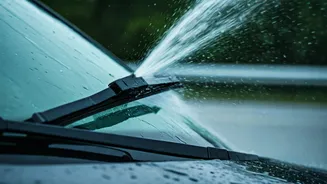
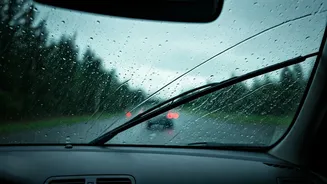
This is the most obvious and immediate sign of neglect. If your wipers are smearing water across the windshield instead of clearing it, you have a problem. That awful screeching or chattering sound isn't just annoying; it's the sound of hardened, cracked
rubber failing at its one job. Over time, sun exposure, ozone, and dirt degrade the flexible edge of the blade. A streaky view can reduce your reaction time by obscuring pedestrians, brake lights, and road hazards. The fix is simple and inexpensive: replace your wiper blades. Most auto parts stores will even install them for you for free. It’s a five-minute job that dramatically improves your safety, and it's recommended you do it every six to 12 months, regardless of how often it rains.
Tires That Lose Their Grip
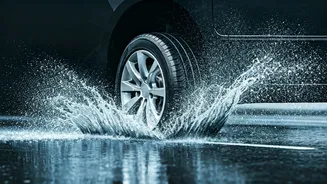
Your tires are your only connection to the road, and rain exposes just how good—or bad—that connection is. If you feel your car slightly skidding or “floating” when driving through standing water, you're experiencing hydroplaning. This happens when your tire treads can't channel water away fast enough, causing the tire to ride on a thin film of water instead of the asphalt. The primary culprit is low tread depth. You can check this with the classic “penny test”: insert a penny into the tread with Lincoln's head upside down. If you can see the top of his head, your treads are dangerously worn, and it's time for new tires. Also, ensure your tires are properly inflated, as underinflation can worsen hydroplaning and braking performance in the wet.
Foggy or Dim Exterior Lights
In a heavy rainstorm, being seen is just as important as seeing. Rain reveals two common lighting failures. The first is a burned-out bulb, which is simple enough to spot. The second is more subtle: condensation inside the headlight or taillight housing. This fogging effect happens when the seal around the light assembly has failed, allowing moisture to get in. This can significantly dim the light's output, making you less visible to other drivers. It can also short out the bulb or damage the electrical connections over time. If you notice persistent moisture in your lights after a storm, it’s time to have the seals checked and potentially replace the entire housing.
Brakes That Squeal or Feel Spongy
Wet conditions can make existing brake problems much more apparent. While a brief squeak when first driving in the rain can be normal as the pads sweep water off the rotors, persistent squealing or grinding is not. This often indicates worn-out brake pads. The metal wear indicator is scraping against the rotor, and the water is acting as a lubricant for the noise. Another red flag is a brake pedal that feels “spongy” or less responsive than usual. Water can affect braking performance, but it shouldn't drastically change the feel of the pedal. If braking feels off in the rain, it’s a clear signal that your brake system needs a professional inspection immediately.
A Windshield That Won’t Defog
You turn on your defroster to clear the interior fog, but nothing happens. The foggy film just sits there, creating a blinding glare from oncoming headlights. This is a classic rain-day failure. Your car’s defroster works by blowing dry air (courtesy of your air conditioning system) onto the glass. If it’s not working, you may have a problem with your A/C compressor or a clogged cabin air filter that’s restricting airflow. A musty smell accompanying the air is a telltale sign of a dirty, damp filter. Not being able to clear your windshield is a serious safety hazard, so get your HVAC system checked if you can't see out.
Mysterious Puddles and Damp Carpets
If you get into your car after a storm and find a damp spot on the seat or a puddle on the floor mat, you have a leak. These are almost impossible to find in dry weather. The most common sources are aging and cracked rubber seals around your doors and windows, or clogged drainage channels. Sunroofs, in particular, have small drain tubes that run down the car’s pillars to eject water. When these get clogged with leaves and debris, water backs up and overflows into the cabin, often staining the headliner or running down to the floor. A damp interior not only leads to musty odors and mold but can also damage sensitive electronics located under the seats or in the dashboard.