




The Great Indian Staycation
For decades, the dream for many in India’s rising middle class was a passport stamp—a trip to Europe, Southeast Asia, or the U.S. was the ultimate status symbol. The domestic travel scene was often seen as a backup plan, dominated by pilgrimages or obligatory
family visits. But in the wake of the pandemic, that script has been completely flipped. What started as a necessity during travel restrictions has blossomed into a full-blown cultural phenomenon. Coined "revenge travel," the initial surge to break free from lockdowns was focused inward. Indians began exploring their own sprawling, diverse country with newfound enthusiasm and a bigger budget. This wasn't just a temporary blip; it's a structural shift. With a population of 1.4 billion, even a small percentage choosing to travel domestically creates a tidal wave of movement, transforming local economies and putting previously overlooked destinations on the map.
Beyond the Golden Triangle
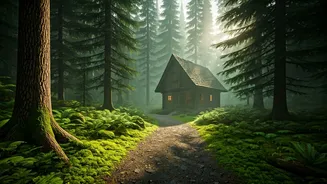
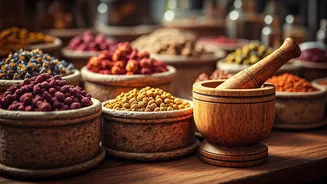
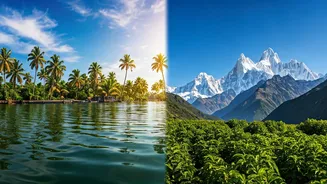
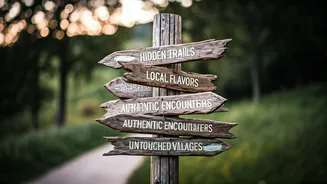
The classic tourist trail for foreigners—the “Golden Triangle” of Delhi, Agra, and Jaipur—is no longer the main event. Today’s Indian travelers are venturing much further afield, seeking experiences that feel unique and undiscovered. They are trading crowded monuments for the quiet backwaters of Kerala, swapping chaotic city markets for boutique homestays in the Himalayan foothills of Uttarakhand and Himachal Pradesh, and exploring the lush, remote landscapes of Northeast India. This dispersal is fueled by a desire for authenticity. Travelers are looking for regional cuisine, local handicrafts, and a genuine connection to the place they’re visiting. Budget airlines have made remote corners of the country more accessible, while platforms like Airbnb and boutique travel companies offer curated experiences that go far beyond a standard hotel stay. It's a rediscovery of home, driven by a generation that values experiences over simple sightseeing.
The Search for the 'Glow'
So, what does “glowy” mean in this context? It’s a mix of wellness, aesthetics, and a distinct mood of mindful self-care. This isn't hedonistic party travel. Instead, it’s about rejuvenation. The new travel hotspots are often centered around activities that nourish the mind and body. Think sunrise yoga retreats in Rishikesh, Ayurvedic wellness centers in Kerala, silent meditation courses, and farm-to-table culinary experiences in the hills. The “glow” is both internal and external. It’s the feeling of peace gained from a week of digital detox, but it’s also the sun-drenched, aesthetically pleasing visual that can be captured and shared. This kind of travel is an investment in oneself, framing leisure time not as an escape from life, but as an essential part of living it well. It taps into ancient Indian traditions of wellness but repackages them for a modern, globally-aware audience.
The Influencer Effect
You can't talk about this trend without mentioning Instagram. India’s social media scene is a powerful engine for discovery, and a new generation of travel influencers has become the primary guide for this movement. They aren't just posting photos of luxury resorts; they are crafting visual narratives around “hidden gems,” off-the-beaten-path cafes, and serene landscapes. Their content provides a template for the “glowy” aesthetic: minimalist décor, natural light, healthy food, and mindful poses against breathtaking backdrops. By showcasing these destinations, they create a powerful feedback loop. An influencer posts about a quaint homestay in a remote village, their followers flock there, and suddenly a new tourist hotspot is born. This digital word-of-mouth has become more influential than any official tourism campaign, directing travel flows and shaping the aspirations of millions of young Indians.