



Why Bother With a Compost Pile?
Before we get to the 'how,' let’s cover the 'why.' Every year, U.S. households throw away millions of tons of food scraps that end up in landfills, where they decompose without oxygen and release methane, a potent greenhouse gas. Composting diverts that waste.
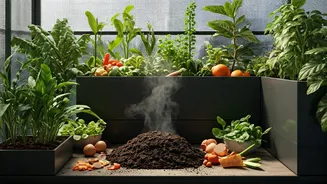
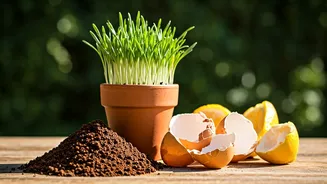
But it’s not just about reducing your trash footprint. The end product, a dark, crumbly, and nutrient-rich material often called 'black gold,' is one of the best things you can add to your soil. It helps retain moisture, suppresses plant diseases, and reduces the need for chemical fertilizers. Whether you have a sprawling vegetable garden, a few patio pots, or a single houseplant, compost provides a free, all-natural boost that helps them thrive.
Start with the 'Greens'
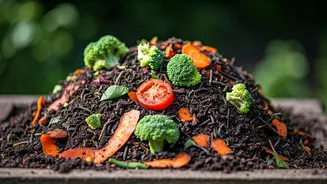
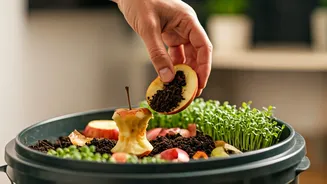
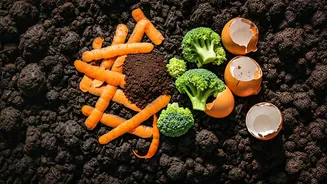
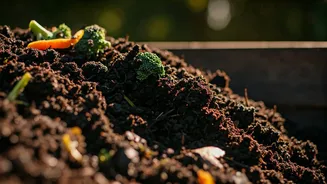
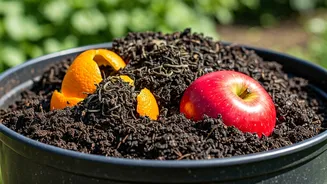
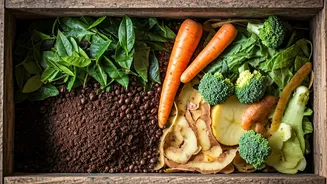
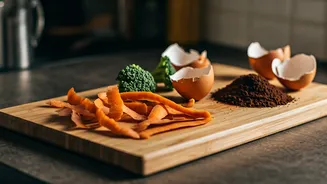
The heart of your beginner-friendly compost pile is 'green' material. This isn't about color, but about nitrogen-rich waste that decomposes quickly. This is where your daily tea leaves and coffee grounds come in—they are fantastic activators for a compost pile. You can toss in the paper filter and tea bag, too (just be sure to remove any staples). Add to that list any raw fruit and vegetable scraps: apple cores, banana peels, carrot tops, onion skins, and wilted lettuce. Even crushed eggshells are a great source of calcium. Keep a small, lidded container on your kitchen counter and make a habit of tossing these items in throughout the day instead of into the trash can. This is your compost fuel.
Balance with the 'Browns'
A pile of only 'greens' will quickly become a slimy, smelly mess. The key to a happy, odor-free compost system is balance. You need to mix your nitrogen-rich greens with 'brown' materials, which are rich in carbon. These materials provide structure, allow air to circulate, and prevent bad odors. Luckily, you have plenty of these around, too. Think of things like torn-up cardboard (from cereal boxes or shipping packages), shredded newspaper, toilet paper rolls, dry leaves, small twigs, and sawdust from untreated wood. A good rule of thumb for beginners is to aim for roughly two parts 'browns' for every one part 'greens.' Don't have a yard full of leaves? Your Amazon boxes and junk mail will do the trick just fine.
The Compost No-Fly Zone
Just as important as what goes in is what stays out. To keep your simple pile from attracting pests or developing foul odors, you must avoid certain items. Keep all meat, fish, and bones out of your bin. The same goes for dairy products like cheese and yogurt, as well as any greasy or oily foods, including salad dressings. These items break down slowly, smell terrible as they rot, and are a magnet for rodents and other unwanted visitors. Also, avoid composting pet waste (from cats or dogs), as it can contain harmful pathogens. Finally, steer clear of 'compostable' plastics unless you are certain your home system can handle them—most cannot and will simply fail to break down.
Your Simple Setup: Pile, Bin, or Tumbler?
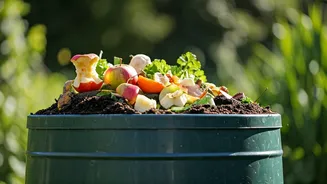
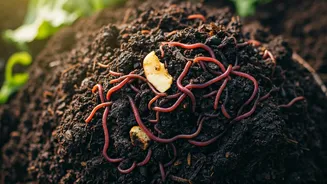
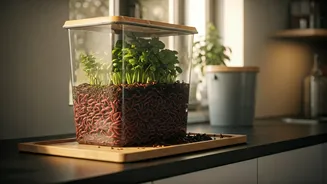
You don't need a fancy or expensive system to start. If you have a discreet corner in your backyard, you can simply start a pile on the bare ground. This allows worms and other beneficial organisms to find their way in and help with the decomposition process. For a tidier look, you can build a simple enclosure with wood pallets or chicken wire. If you have less space or live in a more urban area, a closed compost bin is an excellent choice. These can be purchased at most hardware stores and are designed to keep pests out while retaining heat and moisture. A compost tumbler is another great option; these sealed barrels are mounted on a frame, allowing you to easily turn and aerate the contents by rotating the drum, which can speed up the process significantly. The best setup is the one that fits your space and budget.