



What Is Biophilic Design, Anyway?
Before we get to the pet-safe part, let’s break down the core concept. Biophilic design is more than just scattering a few houseplants around your living room. The term “biophilia” literally means “love of life,” and in design, it’s a philosophy centered
on connecting humans with the natural world within the built environment. It’s an intentional strategy to create calming, restorative spaces that improve our well-being by mimicking nature. This goes beyond plants to include maximizing natural light, using natural materials like wood and stone, incorporating earthy colors and textures, and even integrating patterns that evoke natural forms. The goal is to reduce stress, boost creativity, and create a healthier indoor ecosystem. It’s the reason why rooms with big windows and a view of trees feel so much better than windowless basements.
The Pet-Safe Imperative
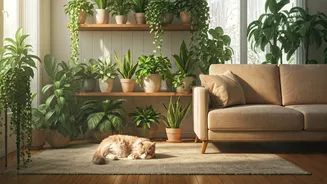
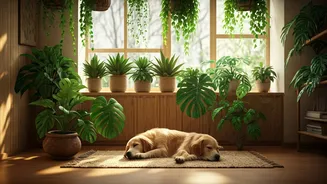
For the tens of millions of American households with pets, the traditional biophilic dream can quickly become a nightmare. Many of the most popular and aesthetically pleasing houseplants—like the sculptural fiddle-leaf fig, the dramatic monstera, the easy-care snake plant, and virtually all types of lilies—are toxic to cats and dogs if ingested. The symptoms can range from mild mouth irritation to severe gastrointestinal distress, kidney failure, or even death. This reality forces many pet owners into a false choice: either have a sterile, plant-free home or risk their beloved companion’s health. Pet-safe biophilic design rejects this compromise. It’s a thoughtful and deliberate approach that achieves all the benefits of connecting with nature while systematically eliminating risks to your four-legged family members. It’s not about restriction; it’s about smart, stylish curation.
Build Your Foundation with Safe Plants
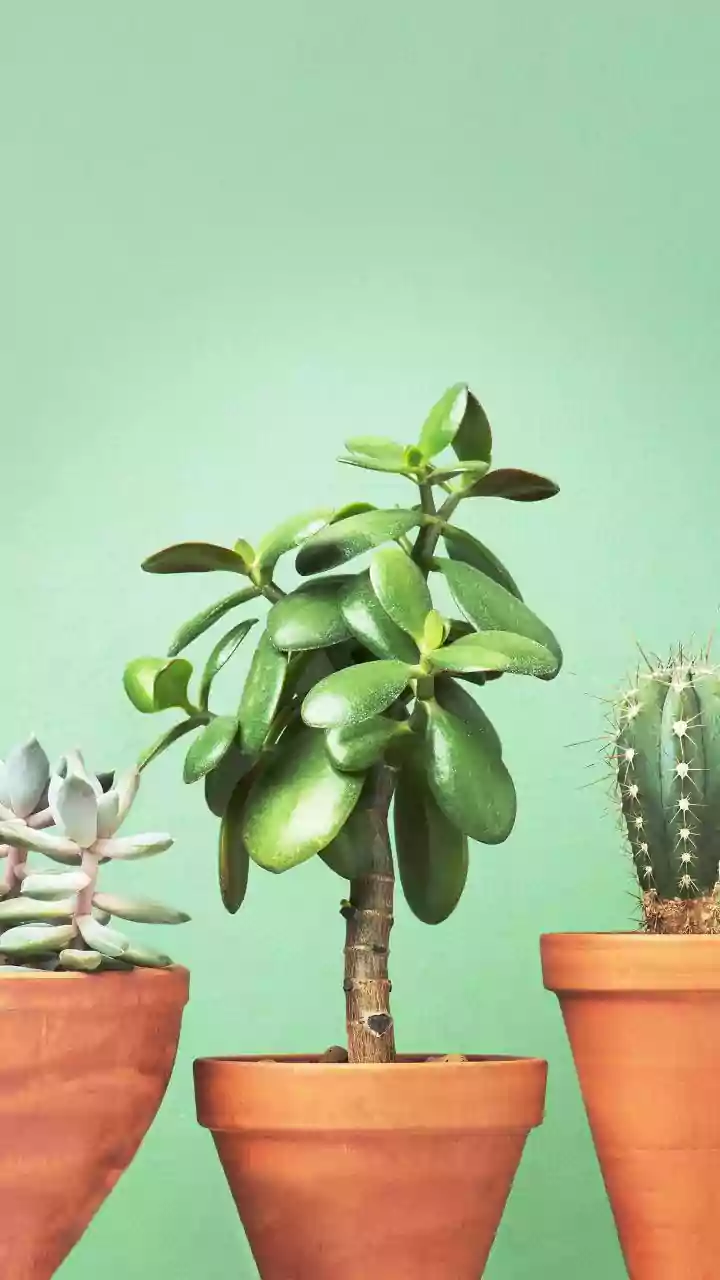
The most crucial step is building your indoor jungle with non-toxic greenery. Fortunately, there are dozens of beautiful, pet-friendly options that are just as stylish as their dangerous counterparts. Always double-check a plant's toxicity on a reputable source like the ASPCA’s plant database before buying. Some fantastic and widely available safe choices include:
* **Spider Plants:** These air-purifying classics are resilient and produce little “spiderettes” you can propagate.
* **Calathea Varieties (Prayer Plants):** Known for their stunning, patterned leaves that fold up at night, they add a splash of color and movement.
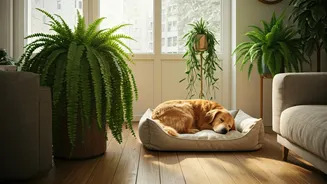
* **Boston Ferns:** Perfect for adding lush, feathery texture to a room. They thrive in humidity, making them great for bathrooms.
* **Hoyas (Wax Plants):** These trailing plants come in many varieties and produce beautiful, fragrant flowers.
* **Palms like the Areca or Parlor Palm:** They give you that tropical vibe without the toxicity of the Sago Palm (which is extremely dangerous).
Go Vertical: Placement Is Key
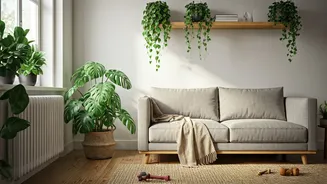
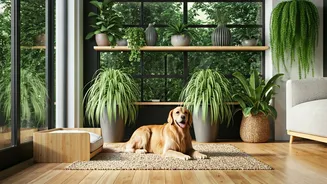
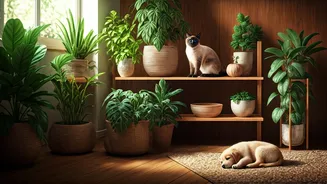
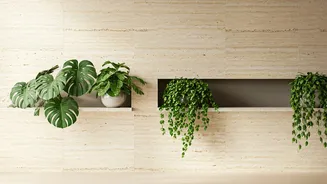
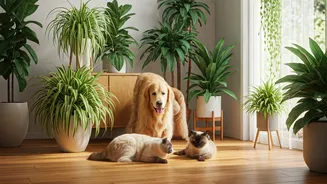
Even with safe plants, you might want to prevent your cat from using your new palm as a scratching post or your dog from digging in the soil. Strategic placement is a designer’s best friend. Think vertically. Hanging planters are an elegant way to draw the eye upward and keep plants completely out of reach. High shelves, mantels, and dedicated plant stands can also create safe zones. This not only protects your plants and your pets but also adds layers and dimension to your decor. You can also designate a specific, sun-drenched room as your “greenhouse,” keeping it off-limits to pets if necessary. This allows you to grow a wider variety of plants without constant supervision.
Think Beyond Greenery
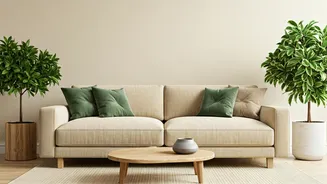
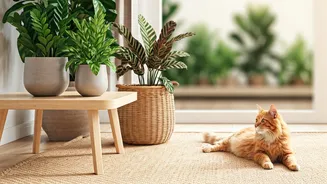
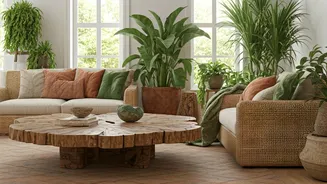
A truly biophilic home uses more than just plants to connect with nature. This is where pet owners have a huge advantage. Lean into other natural elements that are inherently pet-safe. Use materials with rich, organic textures like jute, sisal, rattan, and unfinished wood. A large jute rug provides a natural feel underfoot and is durable enough for pet traffic. A rattan armchair or a solid wood coffee table brings the outdoors in. Swap out synthetic throws for ones made of wool, cotton, or linen. These materials are not only beautiful and tactile but are also generally safer and more durable than plastics and cheap synthetics that can be chewed and ingested. Also, consider water. A small, self-contained tabletop fountain can provide the soothing sound of trickling water, but ensure it's a design your pet can't easily knock over or drink from if the water isn't kept fresh.