
Beyond ‘One-Note Sweet’
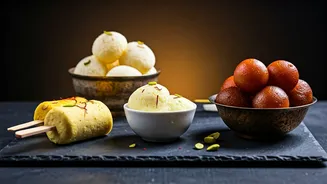
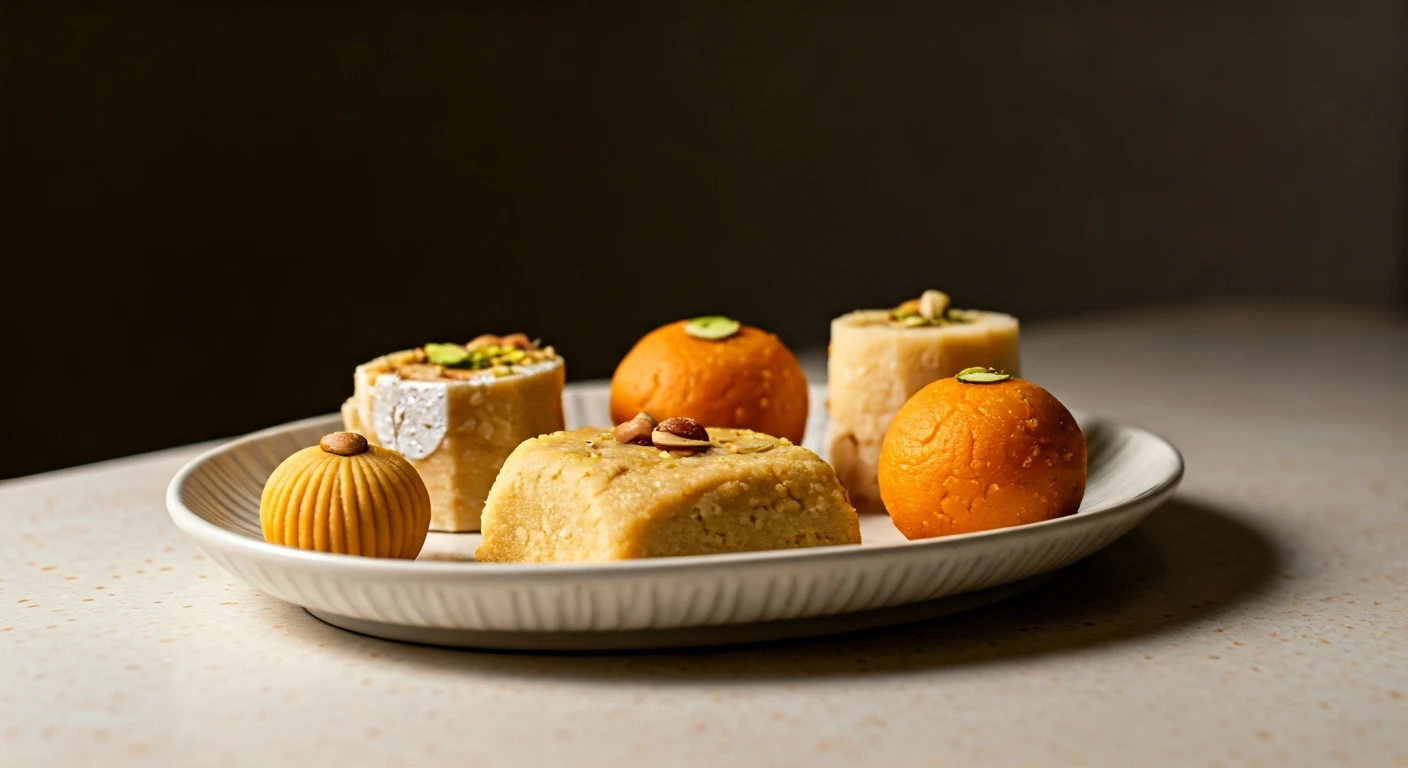
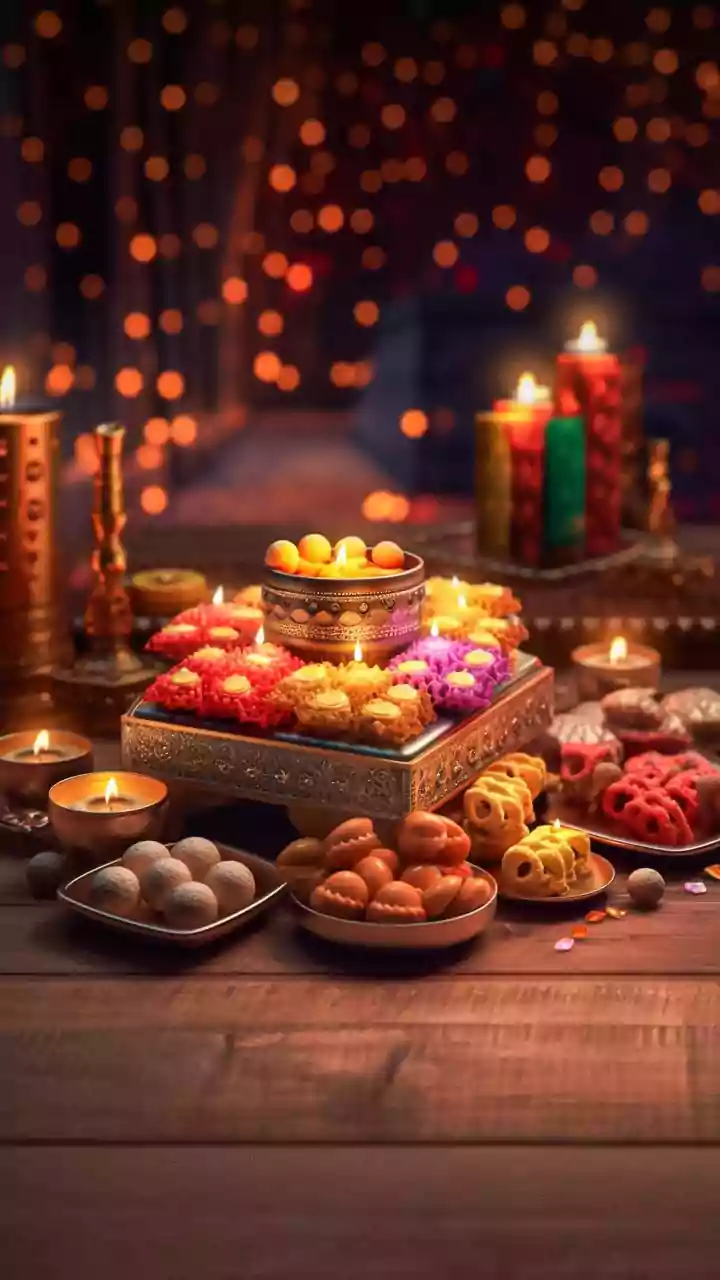
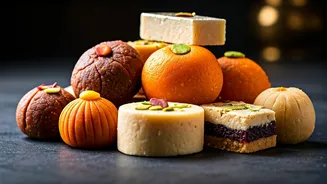
Let’s be honest: for many diners, the traditional Indian dessert menu can feel like an afterthought. After a vibrant meal of complex curries and spiced vegetables, the sweet course often presents a wall of sugar. Classics like gulab jamun (deep-fried
milk solids soaked in syrup), jalebi (syrup-soaked fried batter), and barfi (a dense milk-based fudge) are deeply woven into the fabric of Indian celebrations and daily life. They are comforting, nostalgic, and delicious in their own right. However, to a palate unaccustomed to that level of pure sweetness, they can sometimes feel overwhelming or one-dimensional. This perception, fair or not, has long defined Indian sweets outside of India. But that’s precisely the perception a new generation of pastry artists is working to dismantle, not by abandoning tradition, but by building upon it.
A Symphony of Flavors
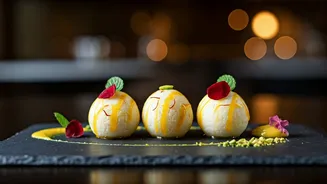
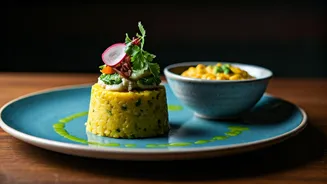
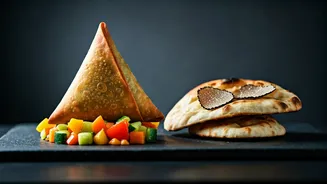
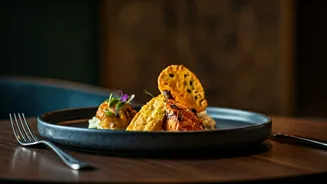
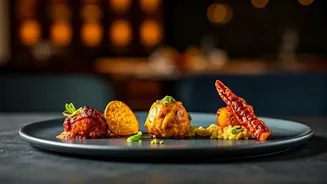
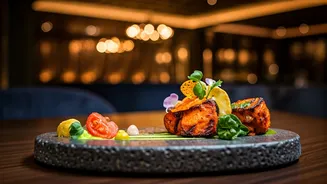
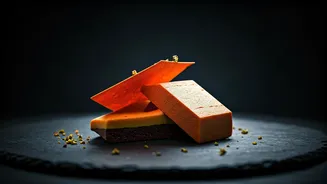
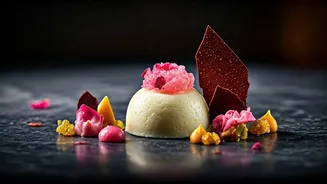
The new Indian dessert plate is all about balance. The “richer” aspect of the headline isn’t about adding more sugar or fat, but about layering richer, more nuanced flavors. The “sharper” quality comes from cutting through the sweetness with acidity, bitterness, savory elements, and textural surprises. Think of it as moving from a solo flute to a full orchestra. Instead of just sugar and cardamom, chefs are introducing tartness from yuzu, passionfruit, or raspberry. They’re using high-quality dark chocolate to add a welcome bitterness that complements jaggery (unrefined cane sugar). Savory ingredients like black salt, toasted spices, and even hints of chili are making appearances. Global pastry techniques are also part of the toolkit. You’ll now find delicate mousses, airy foams, precise gels, and deconstructed presentations where a classic dessert is broken down into its core components and reassembled in a modern, artistic way.
The Innovators' Kitchen
This movement isn’t happening in a vacuum. It’s being driven by talented chefs in culinary capitals from New York and London to Mumbai and New Delhi. In New York, restaurants like Semma and Dhamaka have earned acclaim for celebrating regional Indian food, and their desserts follow suit, offering sophisticated takes that honor their roots. You might find a delicate rose-cardamom kulfi that tastes more of the fragrant spice than just sugar, or a payasam (a type of pudding) infused with coconut and jaggery that has a deep, molasses-like complexity. Across the U.S., pastry chefs are creating hybrid marvels: ras malai (cheese curds in sweetened milk) becomes a filling for a tres leches cake; the flavors of gulab jamun are reimagined into a cheesecake; and the iconic saffron-pistachio combination of kulfi appears in a French macaron. These aren’t gimmicks; they are thoughtful culinary conversations between a chef’s heritage and their global training. They’re Instagram-beautiful, yes, but the substance is there, rooted in a deep understanding of flavor.
More Than Just Dessert
So, why is this happening now? Several cultural shifts are converging. First, there’s a growing confidence among the Indian diaspora. Younger generations are eager to celebrate their heritage, but on their own terms, blending the flavors of their childhood with the global food culture they inhabit. Second, the wellness movement has created a demand for less sugary, more balanced options across the board. A dessert that offers complexity over a pure sugar rush feels more modern and satisfying. Finally, this evolution mirrors a broader trend in global cuisine. Just as chefs have elevated regional Italian or Mexican food beyond their Americanized stereotypes, Indian chefs are now demanding that the world see the full breadth and sophistication of their culinary traditions—right through to the final course. It’s a declaration that Indian food is not a monolith, and its dessert repertoire is just as capable of elegance, innovation, and surprise as any other.