



The Unspoiled Himalayan Secret
For every traveler who has dreamed of the Himalayas, there’s the accompanying image of crowds—at Everest Base Camp, on the trails of Annapurna, or in the bustling markets of Shimla. Harsil Valley, nestled deep in the Garhwal Himalayas of Uttarakhand,
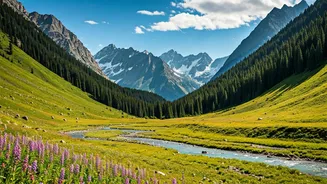
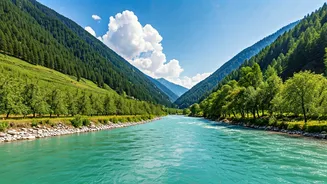
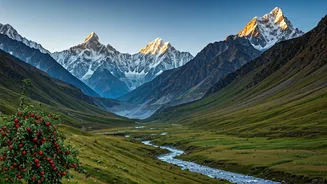
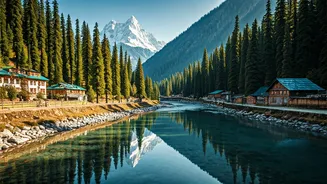
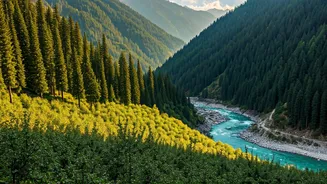
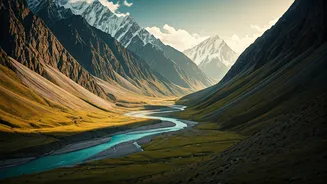
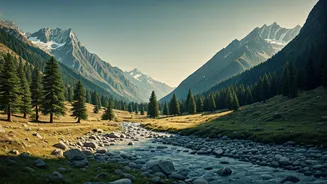
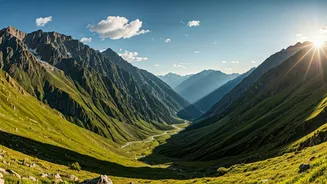
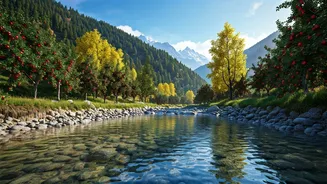
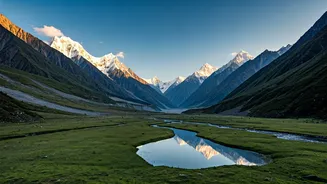
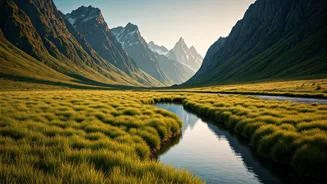
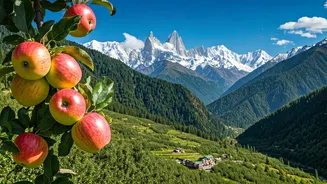
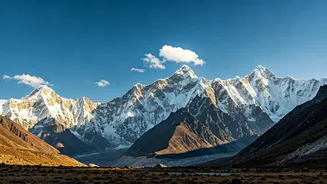
offers a powerful antidote. Located on the banks of the Bhagirathi River, just a scenic drive from the more famous pilgrimage site of Gangotri, Harsil remains a pocket of profound tranquility. This is not the Himalayas of extreme expeditions, but of quiet contemplation. The valley is a lush canvas of dense deodar forests, terraced fields, and sprawling apple orchards, which bloom spectacularly in spring and yield a famous harvest in autumn. Its relative obscurity has preserved its character, making it feel less like a tourist destination and more like a secret you’ve been let in on. The air is crisp, the only sounds are the rushing river and rustling leaves, and the scale of the surrounding peaks is humbling without being intimidating.
Beyond Scenery: A Spiritual Heartbeat
Harsil’s appeal runs deeper than its visual splendor. The valley is steeped in spiritual significance, lying on the main route to Gangotri, one of the four sacred Char Dham sites and the mythological source of the Ganges River. The Bhagirathi River that flows through Harsil is, in fact, the Ganges in its upper, purer form. This proximity lends the entire region a palpable sense of sacredness. A short drive or walk from Harsil town is Mukhba, a small, picturesque village that serves as the winter home for the idol of the goddess Ganga. When the Gangotri temple closes for the harsh winter, the deity is brought down to Mukhba in a ceremonial procession. Visiting this village offers a glimpse into a devotional life that has remained unchanged for centuries. You don’t need to be a pilgrim to feel the energy here; the culture of reverence is woven into the landscape itself, providing a layer of cultural depth that many over-commercialized mountain towns have lost.
An Adventurer's Quiet Playground
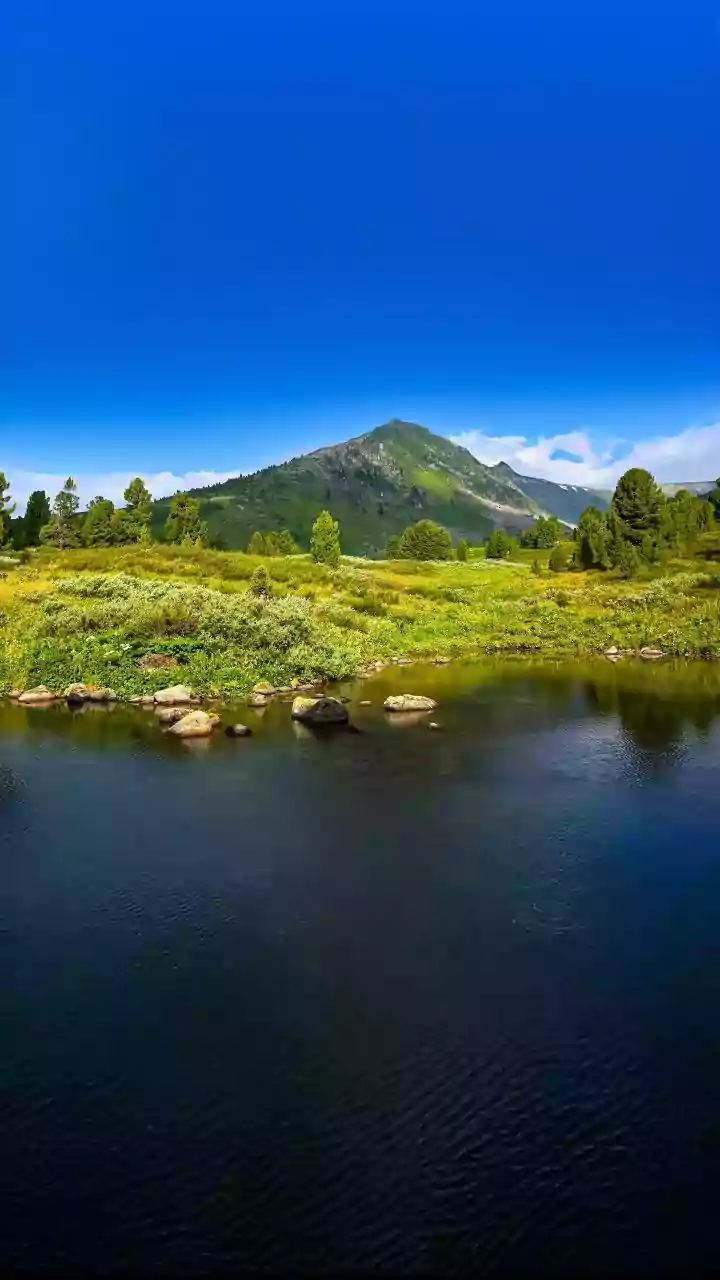
While Harsil is perfect for doing nothing at all, it’s also a fantastic base for gentle adventure. This isn’t a place for ticking off high-altitude summits, but for immersing yourself in nature at your own pace. Numerous walking trails meander from the main village through the forests and along the river. One of the most rewarding day treks leads to Sat Tal (Seven Lakes), a series of high-altitude lakes set against a backdrop of dramatic peaks. The trail itself is a journey through alpine meadows and rhododendron forests, offering stunning Himalayan vistas. For photographers and bird-watchers, the valley is a goldmine. The clean air and lack of light pollution make for brilliant night skies, while the diverse ecosystem supports a variety of Himalayan bird species. It’s the kind of soft adventure that rejuvenates rather than exhausts, reminding you that the greatest rewards often come from slowing down and paying attention.
Planning Your Escape: A Practical Guide
For the American traveler, reaching Harsil requires a bit of a journey, but that’s part of its charm. The typical route involves flying into New Delhi (DEL) and then taking a short domestic flight to Jolly Grant Airport in Dehradun (DED). From Dehradun, Harsil is a stunning, albeit long, 8- to 10-hour drive through winding mountain roads. It’s best to hire a car and driver for this leg. The best times to visit are from April to early June, when the weather is pleasant, and from September to November, for crisp autumn air and post-monsoon clarity. The monsoon season (late June to August) should be avoided due to landslide risks. Accommodations in Harsil are not five-star resorts but charming guesthouses, government-run rest houses, and a growing number of cozy homestays. These options provide comfort and a direct connection to local hospitality, often including delicious home-cooked meals. Booking in advance, especially during peak Indian holiday seasons, is wise.