





Dibru Saikhowa: The Feral Horse Island
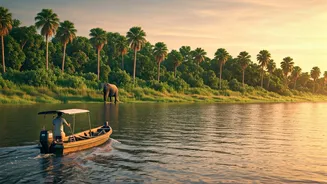
While many travelers have heard of Majuli, the world's largest river island, few venture to Dibru Saikhowa National Park, a vast river island biosphere reserve that is a world unto itself. This isn't a place of curated experiences; it's a raw, living
ecosystem. The main draw for adventurers? The chance to see the park's famous feral horses, descendants of army horses that escaped during World War II. Getting here involves hiring a local boat, and exploring the island means trekking through grasslands and wetlands with a forest guide. There are no roads or hotels on the island itself, so accommodation is typically in eco-lodges or guesthouses on the mainland banks of the river. Beyond the horses, Dibru Saikhowa is a bird-watcher's paradise, with hundreds of species, and it’s one of the few places you might spot the elusive Gangetic river dolphin on your boat journey in.
Umananda: The Peacock Island Hideaway
While located in the heart of Guwahati, Assam’s largest city, Umananda is surprisingly overlooked by international travelers. Reputedly the smallest inhabited river island in the world, it’s a quick ten-minute ferry ride from the city's riverfront, making it an easily accessible dose of adventure. The island is home to the Umananda Devaloi, a 17th-century Shiva temple that draws a steady stream of local devotees. But the real charm lies in its resident population of golden langurs, a rare and protected primate species. These gentle, bright-furred monkeys roam freely, offering incredible wildlife encounters just minutes from a bustling metropolis. The 'raw' adventure here isn't about trekking but about the jarring, beautiful contrast of ancient faith, rare wildlife, and the powerful currents of the Brahmaputra encircling this tiny, rocky outcrop.
The 'Char' Islands: A Nomadic Experience
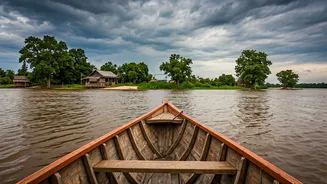
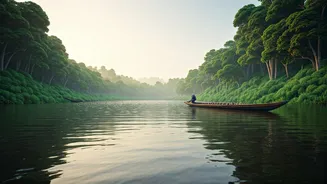
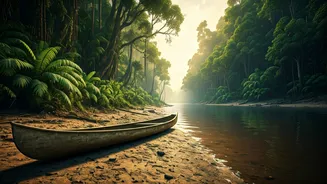
For the ultimate raw adventure, look beyond named islands entirely. The Brahmaputra is dotted with hundreds of 'chars'—semi-permanent sandbar islands formed by the river's silt. These islands appear, disappear, and change shape with every monsoon season. Many are inhabited by Mishing communities, an indigenous group with a unique, river-centric way of life, living in stilted homes to adapt to the changing water levels. Exploring the chars isn't about a destination; it's about the journey. You can hire a small country boat with a local guide for a multi-day trip, stopping to camp on deserted sandbanks under spectacular starry skies. The experience is unscripted: you might share a meal in a village, help fishermen with their nets, or simply drift down one of the world's most powerful rivers, completely detached from the modern world. This is not for the faint of heart—facilities are non-existent—but it's an unparalleled immersion into the soul of the river.
Planning Your Assam River Adventure
Exploring these lesser-known islands requires a spirit of flexibility. Unlike more established tourist destinations, Assam's riverine landscapes demand a go-with-the-flow attitude. The best time to visit is during the dry winter months, from November to April, when the river is calmer and weather is pleasant. For places like the chars or Dibru Saikhowa, hiring a knowledgeable local guide or working with a Northeast India-focused tour operator is essential. They can arrange boat transport, necessary permits, and bridge the language barrier, ensuring both your safety and a respectful interaction with local communities. Pack light, bring sturdy footwear, and prepare for basic conditions. The reward is an experience that feels less like a vacation and more like a genuine expedition.