



Why This Is a 'New' Essential
For decades, experienced travelers understood the rhythms of monsoon season in places like Southeast Asia or India. Rains were predictable—a heavy downpour in the afternoon, followed by clear skies. You could set your watch by it. That predictability
is fading. Climate change is contributing to more extreme and erratic weather events globally. What used to be a reliable, if wet, travel season can now bring sudden, multi-day deluges, flash floods, and landslides that paralyze infrastructure. We’ve seen this in recent years, with tourists stranded in northern Thailand due to unexpected flooding and trekking routes in the Himalayas becoming impassable with little warning. The 'shoulder season' gamble is getting riskier, and treating weather as a background element of your trip is a mistake that can have serious consequences.
Go Beyond a Simple Forecast
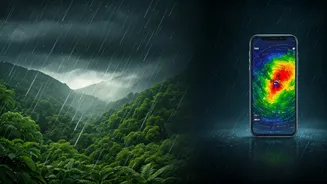
A modern “weather check” is more than just looking at the temperature and the rain-cloud icon on your phone’s default app. For monsoon travel, you need to dig deeper. Think like a local, not a tourist. Is the forecast calling for one inch of rain or six? An hour of rain is an inconvenience; a day of torrential rain can wash out roads and bridges, cutting off access to airports, train stations, and even your next hotel. You should be monitoring total precipitation volume, wind speeds (especially in coastal areas prone to cyclones), and multi-day trends. Pay attention to alerts issued by local authorities. A single sunny day doesn’t mean the danger has passed, as saturated ground can still lead to landslides hours or even days after a major downpour.
Essential Tools for Modern Travelers
Your smartphone is your best friend, but only if you load it with the right tools before you go. First, download a couple of reliable, multi-source weather apps. Apps like AccuWeather and The Weather Channel are a good start, but also look for regional powerhouses like Windy, which provides detailed wind and rain models. Second, bookmark the official government meteorological agency website for your destination country (e.g., the Thai Meteorological Department or the India Meteorological Department). These sites provide official warnings and technical bulletins that consumer apps sometimes miss. Finally, use social media strategically. Follow local expat groups and tourism pages on Facebook or search location tags on Instagram. Real-time posts from people on the ground can be the fastest way to learn that a key road has been closed or a ferry service has been suspended.
Red Flags to Watch Before and During
Being prepared means being willing to change your plans. Before you even book, check historical weather data for your destination—have the last few monsoon seasons been unusually severe? That’s a major red flag. Once you're on the ground, listen to local advice. If your guesthouse owner or tour guide seems concerned about the forecast, you should be, too. They have a lifetime of experience with the local climate. Other warning signs include multiple, consecutive days of heavy rain in the forecast, official government weather warnings (especially anything above a basic 'watch'), and reports of infrastructure damage in nearby areas. Don’t be the tourist who insists on that day trip to the waterfall when rivers are rising. Having a Plan B—and even a Plan C—isn’t pessimism; it's smart travel.