




A Universe of Variety
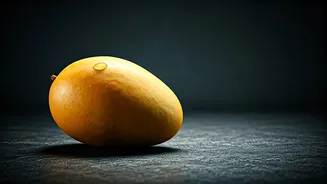
First, let's get one thing straight: the firm, mildly sweet, and often stringy mango you find in a typical U.S. supermarket (likely a Tommy Atkins from Mexico or Peru) is a distant, less-talented cousin to the Indian mango. India is home to over 1,500
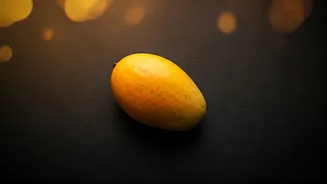
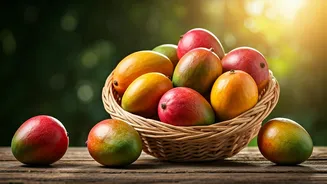
documented varieties, each with its own name, personality, and devoted following. This isn’t like choosing between a Fuji and a Granny Smith apple; it’s like choosing between a thousand different masterpieces. There’s the legendary Alphonso, or ‘Hapus,’ from Maharashtra—a smooth, saffron-hued, buttery fruit so prized it has a protected geographical indication, like Champagne. Then there’s the Kesar from Gujarat, with a fragrance so intense it fills a room. Or the Langra from Uttar Pradesh, a slightly tart variety with a distinctive tang, and the Chaunsa from the north, so syrupy and sweet you’re advised to just squeeze it and drink the pulp directly. This staggering diversity means that debating the “best” mango is a national pastime, with loyalties as fierce as any sports rivalry.
The Season of Joy
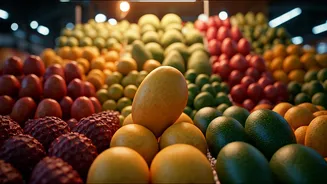
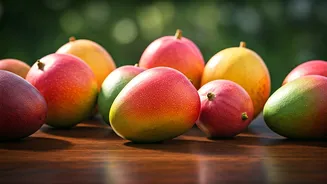
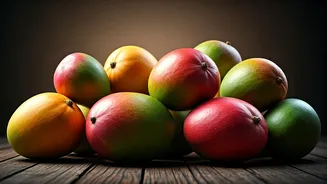
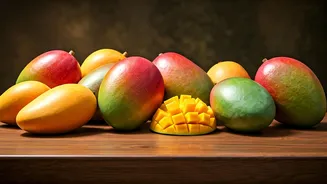
In India, mangoes are not a year-round commodity. They are a fleeting, sacred event. The arrival of the first mangoes around March signals the end of winter and the onset of a hot, languid summer. For a few precious months, the country is gripped by mango fever. Markets overflow with pyramids of green, yellow, and blush-pink fruit. Street vendors sell perfectly sliced portions sprinkled with chili and salt. Kitchens become a blur of activity, churning out mango pickles (achar), mango lassis, mango chutneys, and mango curries (aamras). This is not a casual affair. Families place orders for crates of their favorite variety directly from orchards. Gifting a box of premium mangoes is a gesture of deep respect and affection. The season is short and frantic, a nationwide scramble to consume as much of the beloved fruit as possible before the monsoon rains wash it all away. This scarcity and seasonality make every bite feel like a celebration.
Woven into the Cultural Fabric
The mango’s significance runs deeper than just its taste. It’s embedded in India’s history, mythology, and language. The paisley pattern, a globally recognized design motif, is said to be inspired by the shape of a young mango. In Hindu mythology, a mango tree is often a symbol of love and fertility, and the fruit is sometimes considered a food of the gods. The very word 'mango' is a gift from India, derived from the Tamil 'māṅkāy' and later the Malayalam 'māṅṅa,' which Portuguese traders adapted to 'manga.' This deep-rooted history means the mango is more than produce; it's identity. It appears in poetry, literature, and Bollywood songs as a symbol of sweetness, desire, and the nostalgia of summer. It’s a thread that connects modern urban life to an ancient agricultural past.
The Taste of Home and Memory
For Indians, both at home and abroad, the mango is profoundly emotional. The taste of a specific mango variety can transport someone back to their childhood—climbing trees in their grandmother’s village, or the family gathering together on a hot afternoon, juice dripping down their elbows as they devoured fruit after fruit. There's no polite knife-and-fork etiquette here; the best way to eat a mango is with your hands, an unabashedly messy and joyful experience. When the U.S. lifted a long-standing ban on Indian mango imports in 2007, it was a major cultural event for the Indian-American diaspora. People eagerly paid premium prices for a crate of Alphonsos, not just for the superior flavor, but for a taste of home. It’s a connection to family, a symbol of belonging, and a delicious reminder of where you come from.