
The Age of Aesthetic Whiplash
Just a few years ago, trend cycles were measured in seasons, or even years. Now, thanks to the algorithmic hyper-speed of platforms like TikTok, they’re measured in weeks. We’ve been bombarded with an endless parade of 'cores' and aesthetics, each demanding
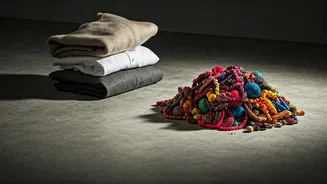
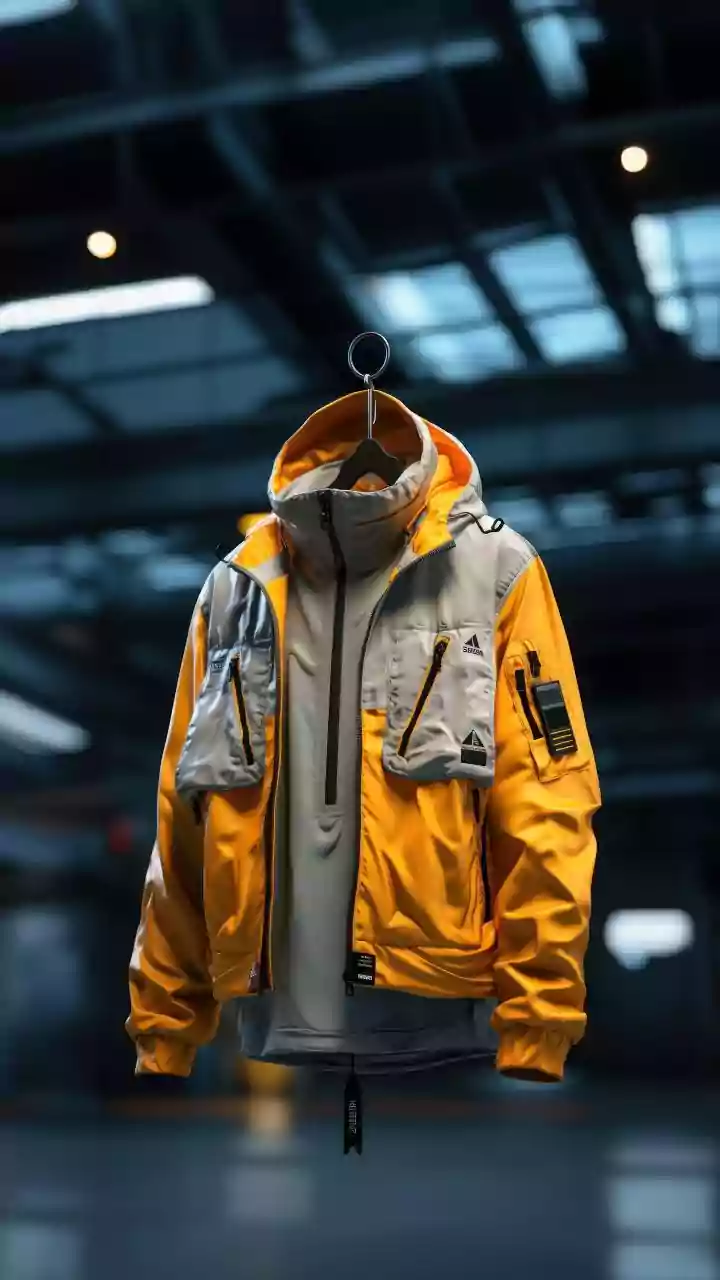
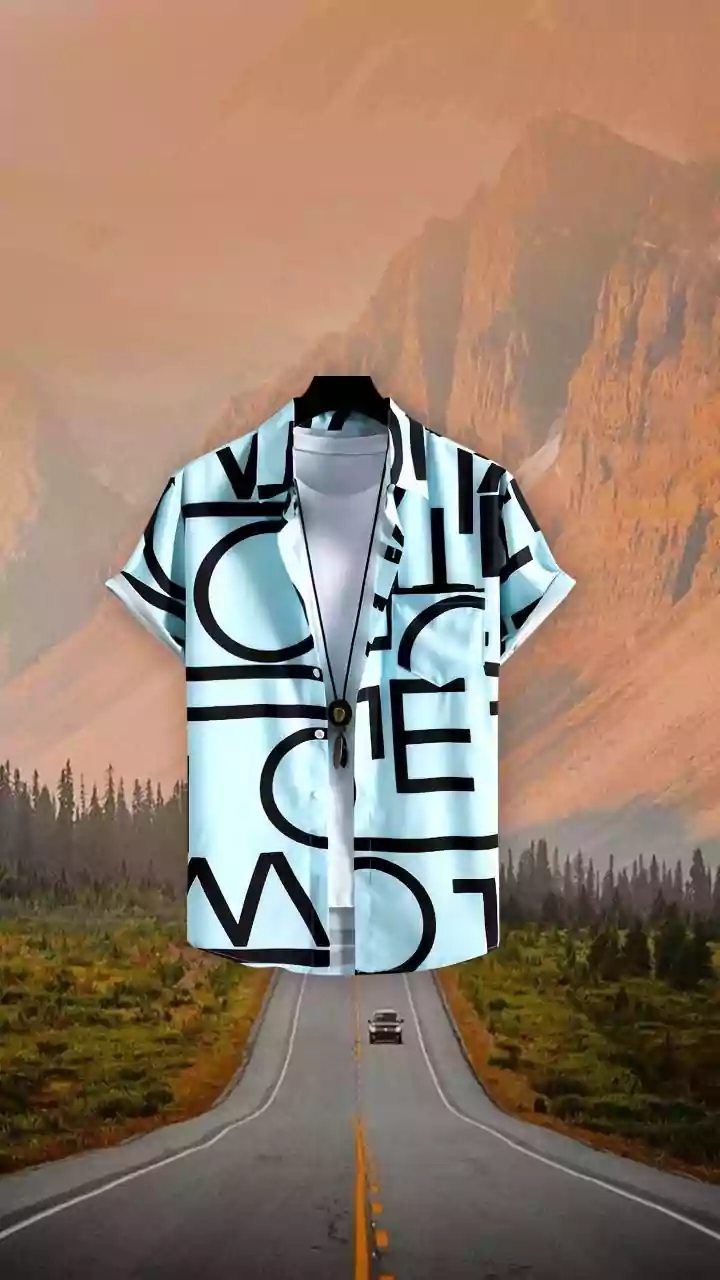
its own specific wardrobe, home decor, and even mindset. Remember the cozy reign of the 'coastal grandmother'? It was quickly usurped by 'Barbiecore' pink, which then gave way to the 'eclectic grandpa' and the faux-fur swagger of the 'mob wife.' This isn’t just a faster version of the old fashion cycle; it’s a firehose of visual information designed to make you feel perpetually behind. Each micro-trend comes with a pre-packaged shopping list, encouraging rapid consumption to keep up. The result is a closet full of disparate items that don’t form a cohesive whole and a lingering feeling of exhaustion. We’ve been living in an era of maximalist noise, where more is more, and the pressure to participate is constant.
The Maximalist Hangover
The inevitable consequence of this trend overload is a collective hangover. The constant pursuit of the 'next big thing' is not only financially draining but mentally taxing. Trying to embody a new personality every few weeks is exhausting, and it chips away at the idea of developing a genuine, personal style. Instead of asking 'What do I like?', we've been conditioned to ask, 'What am I supposed to like right now?'
This fatigue is compounded by a growing awareness of the environmental and ethical toll of hyper-consumerism. The fast-fashion model that fuels these micro-trends is built on disposability. That 'mob wife' leopard print coat that felt so essential in January can feel dated and even a little silly by March. The excitement of the new purchase quickly fades, leaving behind buyer’s remorse and a piece of clothing destined for the landfill. We’re finally waking up to the reality that this cycle is unsustainable for our wallets, our sanity, and our planet.
The Quiet Appeal of 'Enough'
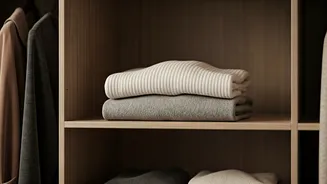
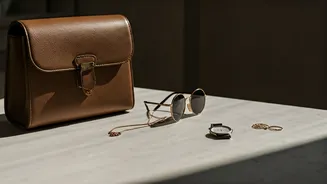
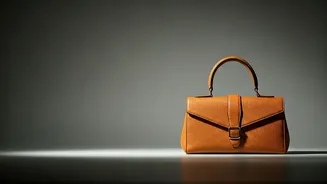
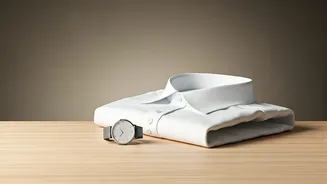
This is why minimalism, in its 2024 iteration, feels so refreshing. It’s not the cold, sterile minimalism of the early 2010s, which demanded empty white rooms and a wardrobe of only three gray t-shirts. Today’s minimalism is warmer, more personal, and less about deprivation. It’s about intentionality. It's the philosophy behind the much-discussed 'quiet luxury' trend—a focus on high-quality, timeless pieces that you’ll love and wear for years, not weeks.
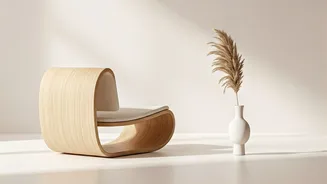
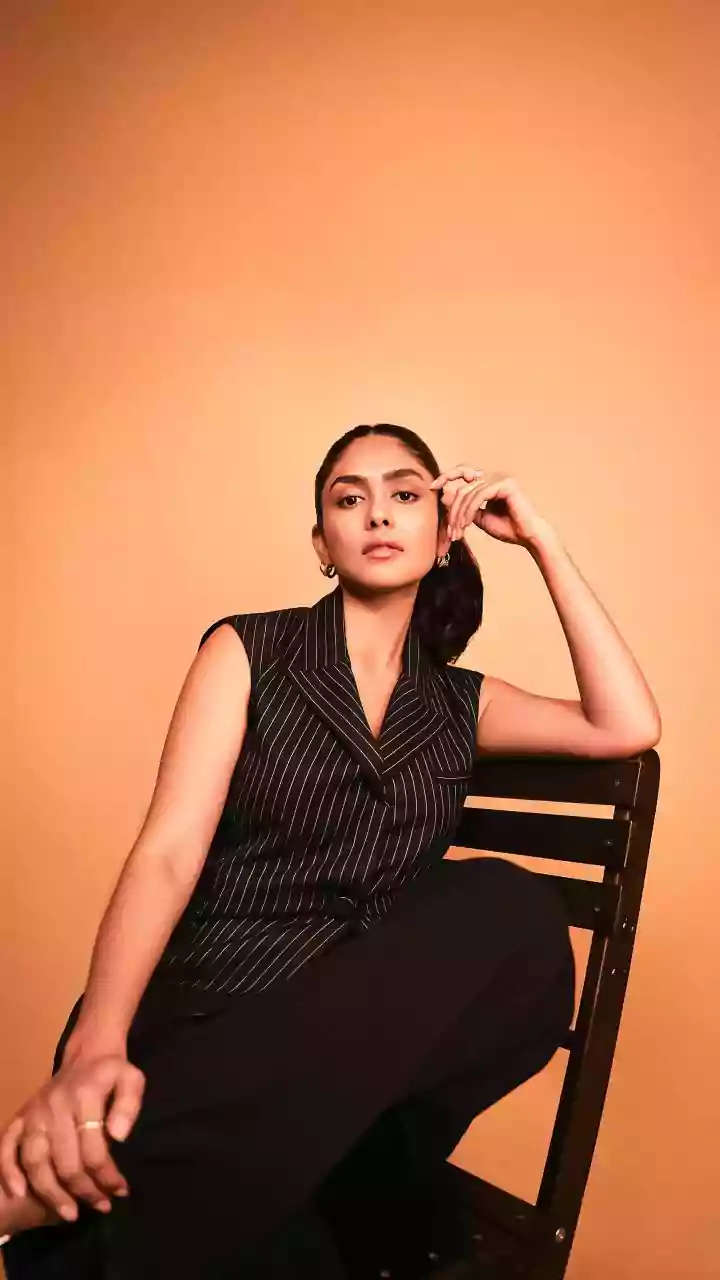
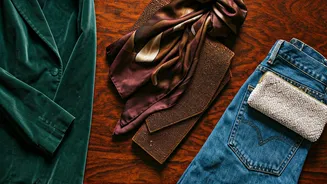
This new minimalism is a quiet rebellion. It’s the simple satisfaction of a perfectly tailored blazer, a great pair of jeans, or a well-made wooden coffee table. It’s about finding the beauty in simplicity and the power in saying 'enough.' In a world that constantly screams for your attention and your money, choosing to buy less but buy better is a radical act of self-preservation. It’s a conscious decision to opt out of the noise and create a pocket of calm in your own life.
Finding Your Personal Uniform
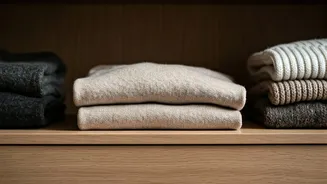
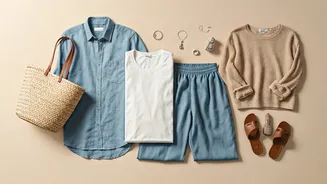
Ultimately, the appeal of this minimalist wave isn't about adopting another rigid aesthetic. It’s about permission. It’s permission to stop chasing trends and start cultivating a personal style. Think of it as developing your own 'uniform'—a collection of pieces that make you feel confident and comfortable, regardless of what’s trending on social media. It's about knowing your silhouette, your color palette, and the fabrics that feel good on your skin.
This approach shifts the focus from passive consumption to active curation. Instead of letting an algorithm dictate your shopping cart, you become the editor of your own life. It means you can appreciate the 'mob wife' aesthetic as a fun bit of internet theater without feeling compelled to buy a faux-fur coat. You can admire the creativity of maximalism while knowing that your own peace comes from a more edited, streamlined environment. The most stylish thing, it turns out, isn't an item of clothing at all—it's the confidence to know what works for you and to stick with it.