



The Old Model: Assembly Line Tourism
For decades, the dominant travel model was one of efficiency. The 10-day, 5-city European tour. The all-inclusive resort where you never leave the property. The cruise ship that deposits thousands of people into a port for six hours of frantic sightseeing
and souvenir shopping. This was “copy-paste” tourism: a standardized, predictable, and easily replicable experience designed to show you the most things in the least amount of time. It promised safety, convenience, and a pre-verified list of photo ops to prove you were there. Its appeal was undeniable. It minimized the risks of the unknown and maximized bragging rights. You could “do” Rome in a day, hitting the Colosseum, Vatican, and Trevi Fountain before collapsing in an exhausted heap. But this model came at a cost. It created a world of overtourism, hollowing out the centers of historic cities like Venice and Barcelona. It reduced complex cultures to a handful of clichés and treated local communities as backdrops for a visitor’s selfie. Travelers were consumers, not participants; destinations were products, not places.
The New Desire: Purpose Over Pace
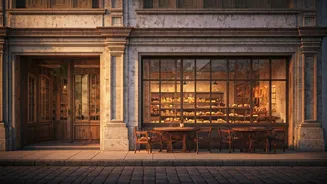
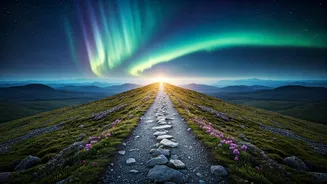
Meaningful travel is the antidote to the assembly line. It’s not about where you go, but *how* and *why* you go. It prioritizes connection, learning, and personal growth over a packed itinerary. Instead of seeing five countries in two weeks, a meaningful traveler might spend those two weeks in a single village in rural Mexico, learning to cook regional dishes from a local family. Instead of a quick photo of an elephant, they might spend a week volunteering at a reputable elephant sanctuary, understanding conservation challenges firsthand. This approach redefines the goal of a vacation. The prize isn't a camera roll of famous landmarks, but a new skill, a fresh perspective, or a genuine connection with people whose lives are different from your own. It’s slow, intentional, and often less glamorous. It might involve getting your hands dirty on an organic farm in Vermont, taking a multi-day trek to a remote monastery in the Himalayas, or simply spending an entire afternoon in one Parisian cafe, observing the flow of daily life rather than rushing to the Louvre.
What's Driving the Shift?
This isn't just a niche trend for backpackers. Several powerful forces are pushing meaningful travel into the mainstream. The first was the global pause of the pandemic. Forced to stay home, many people re-evaluated their priorities. The frantic, box-ticking life lost its luster, and the desire for genuine human connection and experiences that enrich the soul became paramount. Travel transformed from an act of consumption into an opportunity for restoration and self-discovery. Secondly, there's a growing awareness of the negative impacts of mass tourism, both environmentally and culturally. Travelers are more conscious of their footprint and increasingly seek to support local economies in a more sustainable way. Finally, technology, which once seemed to push us toward generic, algorithm-driven choices, is now enabling more authentic journeys. Apps connect travelers with local guides, home-cooked meals, and unique homestays, making it easier than ever to bypass the tourist traps and find the heart of a place.
How to Ditch the Checklist
Embracing meaningful travel doesn’t require quitting your job to join the Peace Corps. It’s a mindset shift that can be applied to any trip. Start by asking “why?” before you ask “where?” What do you hope to feel, learn, or experience? Instead of planning a trip around a list of sights, plan it around an interest. Love jazz? Spend a weekend exploring the music clubs of New Orleans. Passionate about history? Focus on a single historic trail instead of an entire state. Practice the art of slowness. Choose one neighborhood to explore deeply rather than trying to see an entire city. Learn a few phrases in the local language. Eat where the locals eat, even if it means pointing at a menu you can’t read. The most memorable moments often happen when the plan is set aside—a chance conversation, a wrong turn that leads to a hidden gem, an invitation to a family meal. Leave space in your itinerary for spontaneity to strike.