
Pitha: The Soul of Assamese Festivals
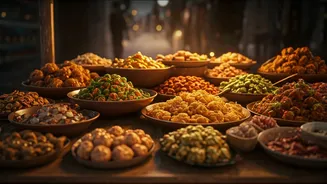
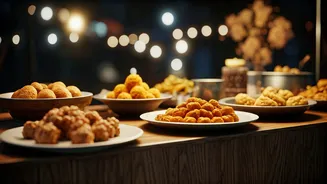
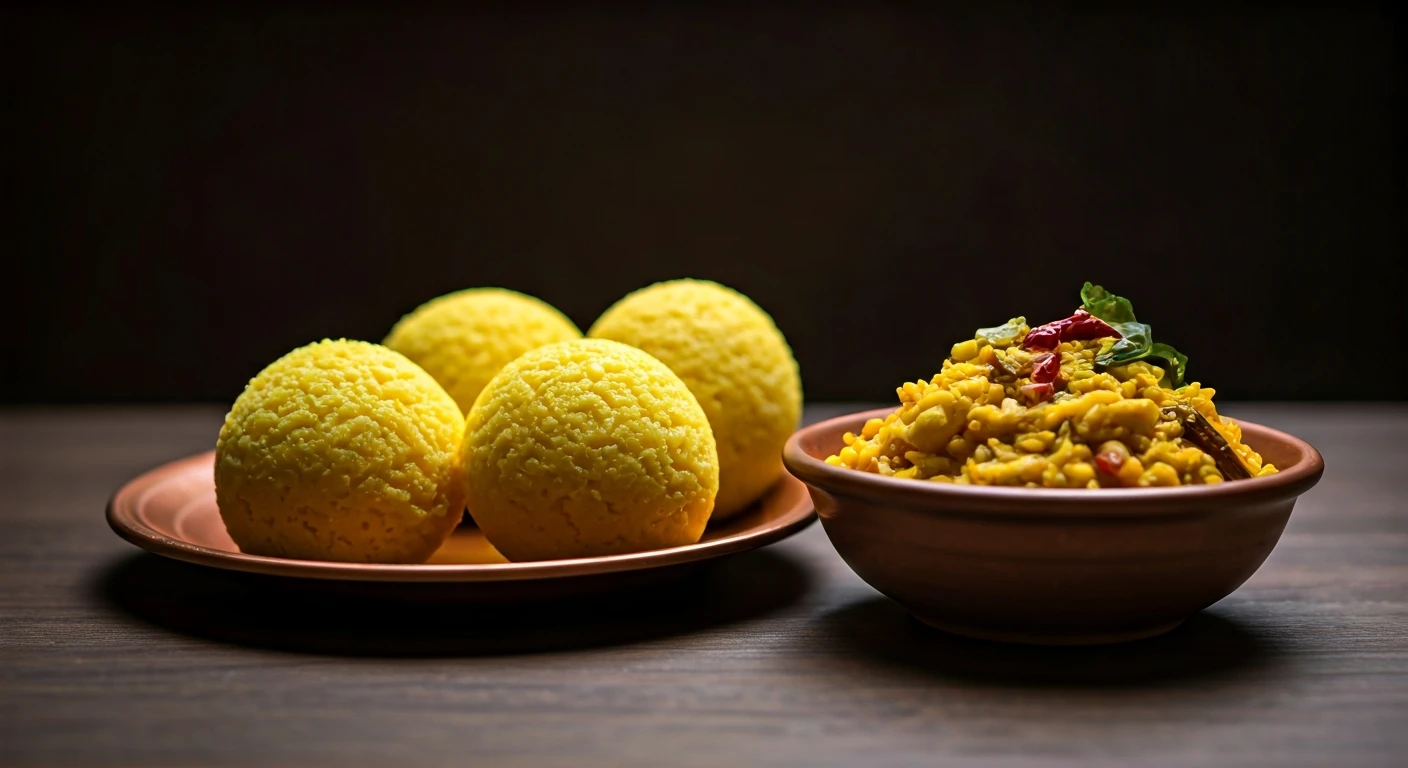
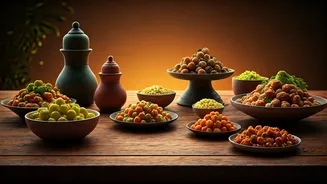
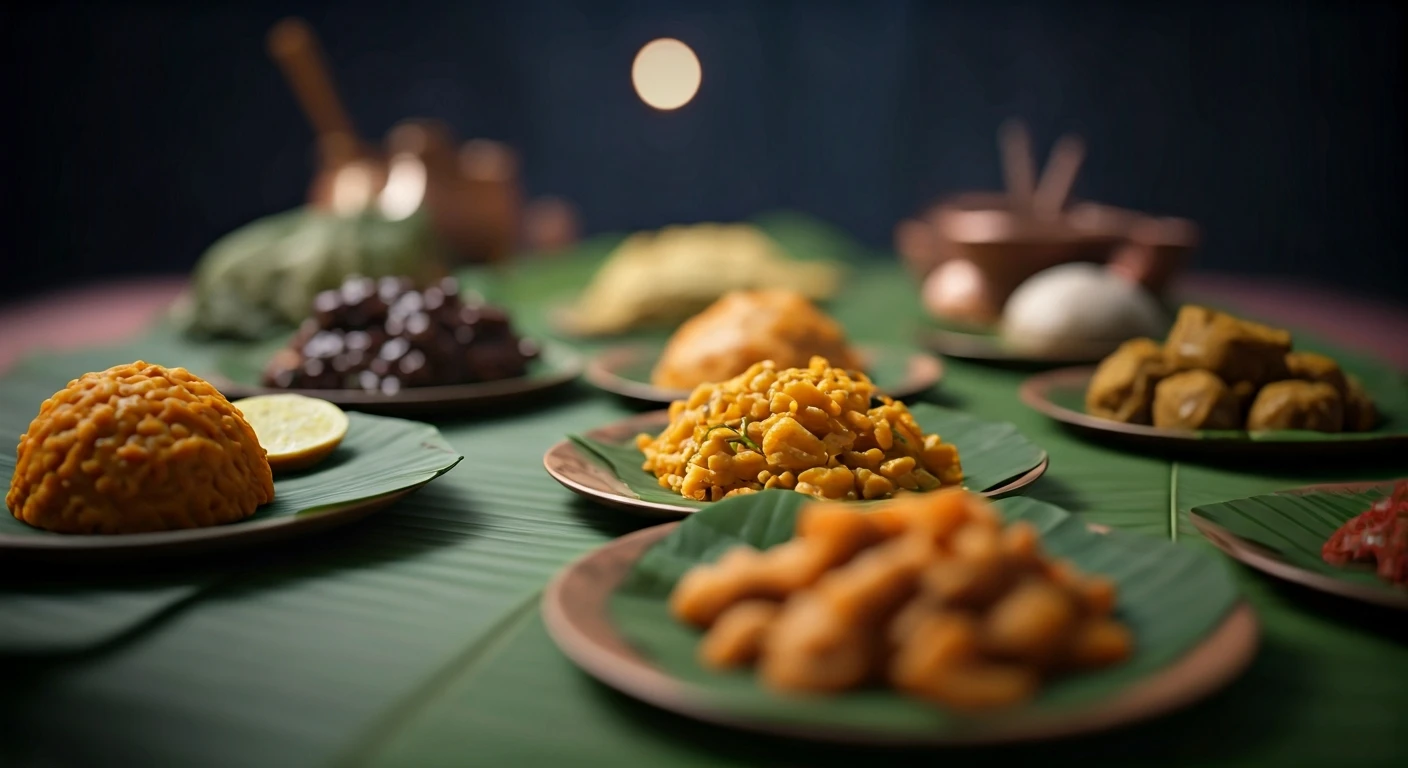
You cannot talk about Assamese celebrations without mentioning pitha. These aren't just snacks; they're a cornerstone of the culture, and you'll find them in abundance at the Mela. Pithas are a broad category of rice cakes that come in countless forms—some
sweet, some savory, some steamed, some fried. Look for 'Tekeli Pitha,' a delicate steamed cake made from rice flour, often filled with a sweet mixture of grated coconut and jaggery (a type of unrefined cane sugar). They are light, fragrant, and a perfect introduction. You might also encounter 'Ghila Pitha,' a fried, slightly sweet rice flour pancake, or savory versions that are equally delicious. For many Assamese people, pitha is the taste of home and festivity, making it an essential first bite at the Mela.
Luchi and Ghugni: The Ultimate Comfort Combo
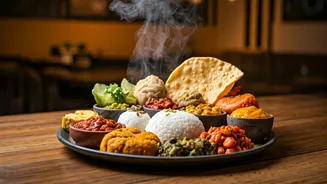
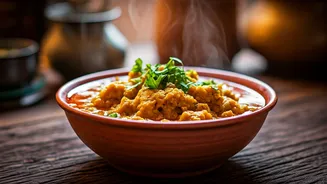
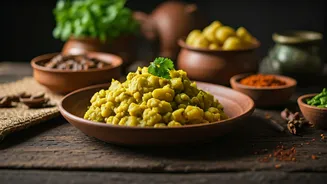
As you wander through the bustling stalls surrounding the Kamakhya Temple, the sight of vendors expertly puffing up bread in hot oil is a common one. This is luchi, a deep-fried, pillowy flatbread made from refined flour. It's the Assamese cousin to the more widely known puri. The classic pairing for luchi is ghugni, a savory and gently spiced curry made from dried yellow or white peas. The combination is pure comfort. The soft, airy luchi is the perfect vehicle for scooping up the hearty, flavorful ghugni. It's a simple, filling, and deeply satisfying meal that serves as the go-to street food for thousands of devotees looking for a quick and substantial bite.
Aloo Pitika: Deceptively Simple, Incredibly Delicious
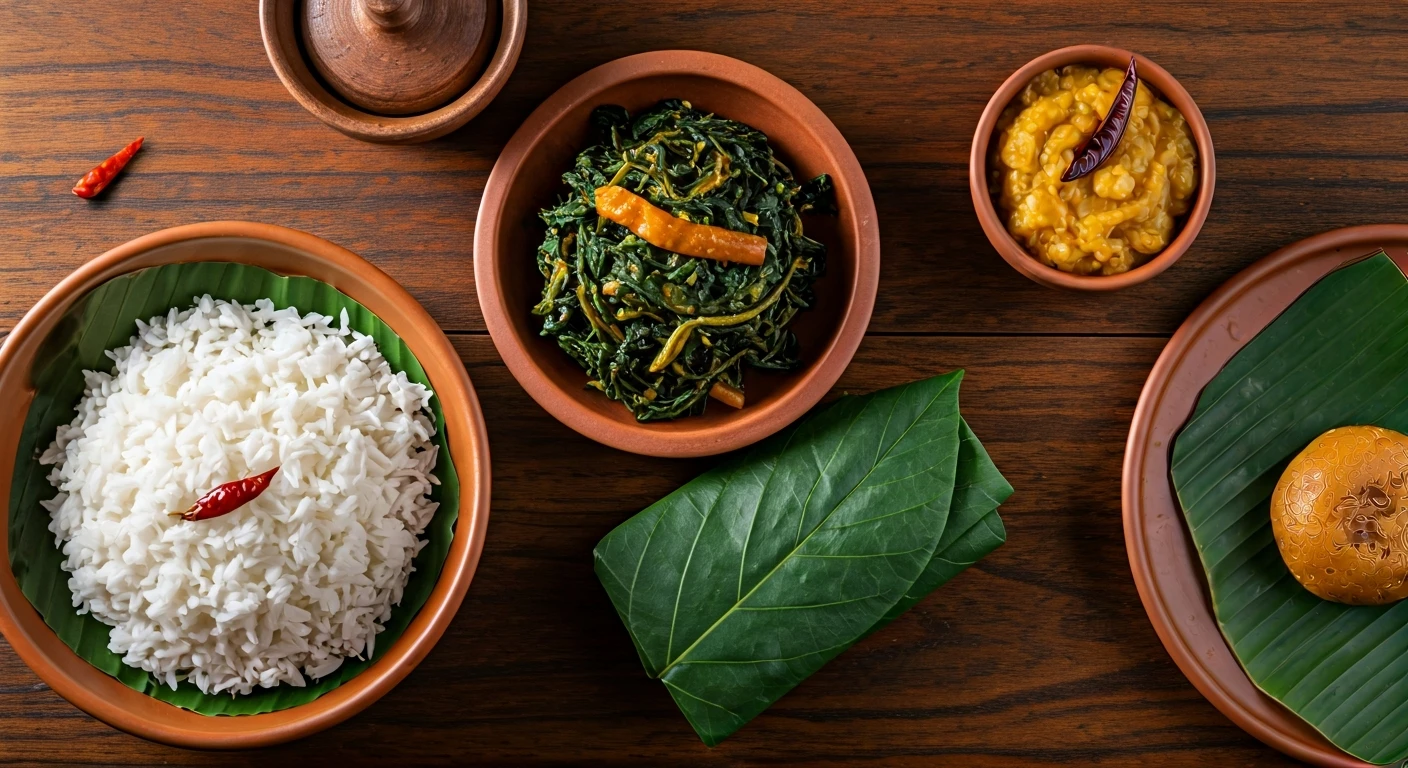
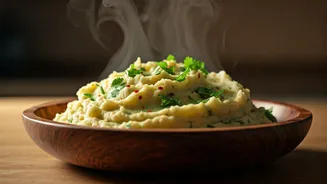
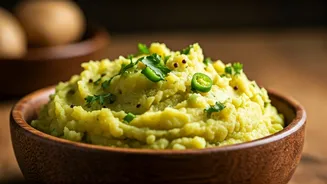
Sometimes the most profound dishes are the simplest. Aloo Pitika is the Assamese version of mashed potatoes, but that description doesn't do it justice. The magic lies in the details. Boiled potatoes are mashed—often by hand—with raw finely chopped onions, green chilies, fresh coriander, and a generous drizzle of pungent, fiery mustard oil. That last ingredient is non-negotiable; it provides a sharp, wasabi-like kick that elevates the dish from simple to sublime. During the Mela, many devotees observe a simple, sattvic (pure) diet, and aloo pitika, often served with plain rice and dal, is a perfect representation of this humble yet flavorful philosophy.
Bor: All Kinds of Crispy Fritters
What's a festival fair without something crispy and fried to snack on while you walk? In Assam, these are called 'bor,' or fritters. The variety is staggering, and they make for the perfect handheld treat as you soak in the atmosphere. You'll find 'Masor Tenga Bor' (lentil fritters), which are crunchy on the outside and soft within, often seasoned with herbs and spices. Another popular version is 'Poka Mithai Bor,' a fritter made from pumpkin and rice flour, offering a subtle sweetness. Vendors will be frying these up fresh, serving them hot in paper cones. They're savory, satisfying, and an easy way to sample local flavors on the go.
Kheer/Payash: The Sweet Blessing
No festival meal is complete without something sweet, and at Ambubachi, a simple, pure dessert is often the most cherished. Kheer, or Payash as it's known in Assam, is a creamy rice pudding that holds a special place in religious offerings and celebrations. It's made by slowly simmering rice and milk until it thickens into a luscious pudding, then sweetened with sugar or jaggery and often perfumed with cardamom or bay leaf. Some versions might include nuts or raisins. After days of austerity or long hours of travel, a small bowl of warm, sweet payash feels like a blessing in itself. It’s a taste of purity and devotion, capturing the spiritual essence of the Mela in a humble bowl.