





Beyond the Sad Desk Salad
Let’s be clear: we’re not talking about a handful of iceberg lettuce and a lone cherry tomato drowning in ranch. The superfood salad bowl is an entirely different species. It’s a hearty, complex, and intentional meal that looks more like a work of art than
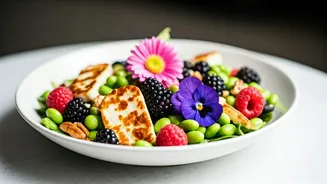
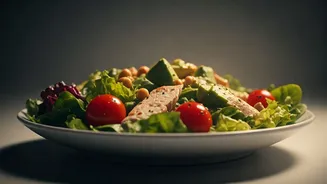
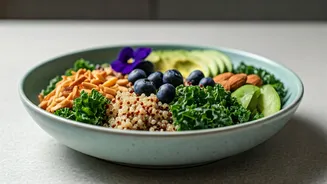
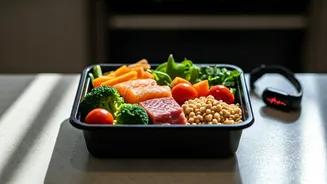
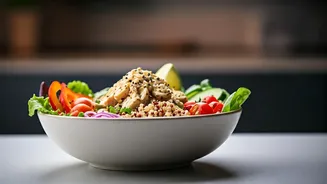
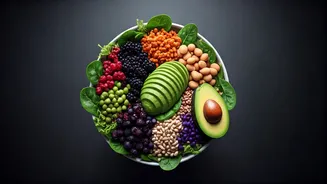
a quick lunch. Typically built on a base of nutrient-dense greens like kale or spinach, it’s then layered with ancient grains such as quinoa or farro, a lean protein source like grilled chicken or chickpeas, and a rainbow of vegetables. What elevates it to “superfood” status is the final flourish: toppings that signal a deep commitment to wellness. Think avocado, chia seeds, goji berries, toasted almonds, or a sprinkle of hemp hearts. This isn't just a meal; it’s a nutritionally-engineered statement, a far cry from the wilted salads of corporate cafeterias past.
An Aesthetic Engineered for Instagram
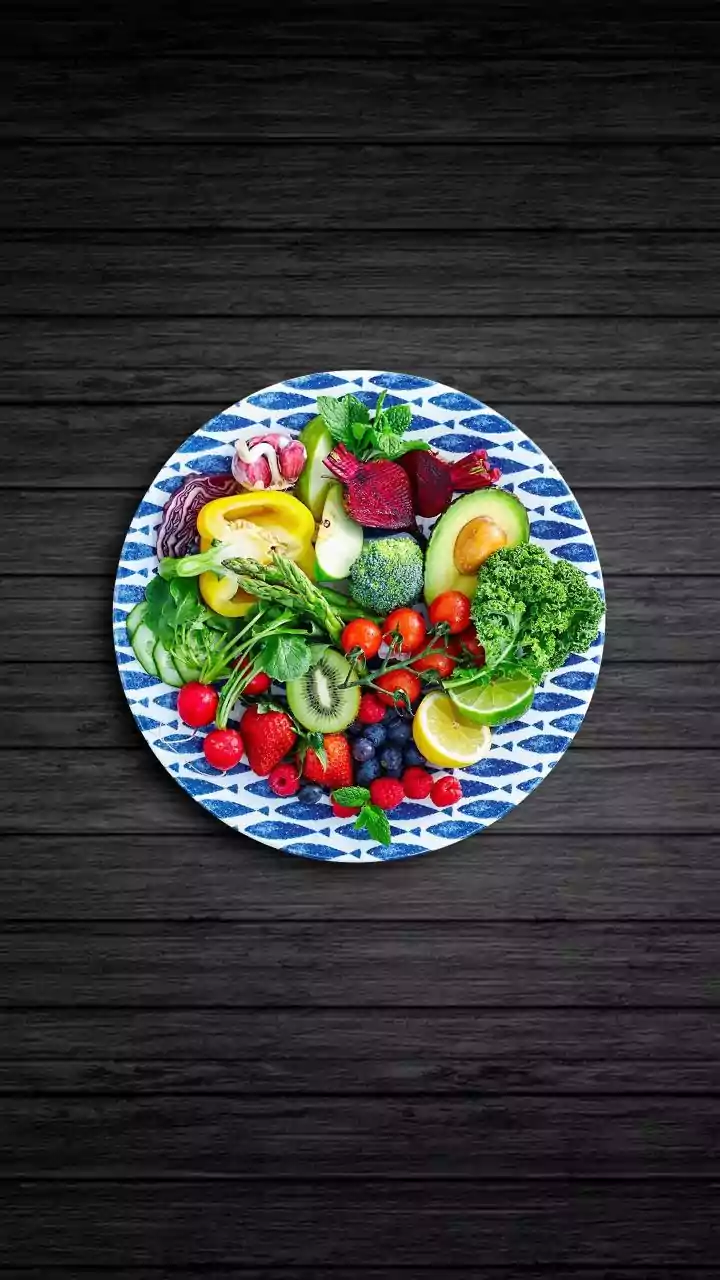
A huge part of the bowl’s appeal is its visual currency. In an age where “pics or it didn’t happen” applies to everything from vacations to workouts, the superfood bowl is perfectly designed for the social media grid. The vibrant colors of roasted sweet potatoes, bright green edamame, and deep red beets aren't just for nutrition—they’re for the camera. Chefs and home cooks alike carefully arrange ingredients in distinct sections rather than tossing them together, a style often referred to as a “Buddha bowl.” This deconstructed presentation allows each premium ingredient to be seen and appreciated. It’s a dish that screams, “I am healthy, I have good taste, and my life is this beautiful and organized.” Posting a photo of your bowl is the modern equivalent of leaving the gym with your towel slung casually over your shoulder—a subtle, aesthetic-driven broadcast of your discipline.
Decoding the Wellness Signal
The “flex” of the superfood bowl lies in what its ingredients signify. This isn’t just food; it’s a collection of cultural signifiers. Quinoa suggests you’re in the know about complete proteins. Kale signals a disregard for fleeting trends in favor of a tried-and-true nutritional powerhouse. Avocado, despite its ubiquity, still functions as a marker of a certain kind of lifestyle—one that can accommodate its cost and fleeting ripeness. These ingredients communicate knowledge, effort, and, frankly, disposable income. A $17 salad bowl isn't accessible to everyone, so choosing one is an implicit signal of economic status. It says you not only value your health but can afford to invest in it with premium, often organic, ingredients. It’s a quiet status symbol that combines health consciousness with financial comfort.
The Evolution of the Fitness Brag
The way we perform fitness has changed. The overt, almost aggressive bragging of the early 2010s—think loud grunts in the weight room and constant marathon time updates—has given way to a more integrated, holistic form of wellness display. Fitness is no longer an isolated activity; it's a 24/7 lifestyle, and the superfood bowl is its edible emblem. It represents a shift from showing the *results* of fitness (a toned body) to showing the *process* (the disciplined, beautiful food you eat). This new flex is quieter, more sophisticated, and arguably more pervasive. It suggests that your commitment to health is so ingrained it shows up in your everyday choices, effortlessly documented and shared for your followers to admire and emulate.