



The Allure of the Off-Season
The primary driver of this trend is no secret: money. For destinations across South and Southeast Asia, the monsoon season, which typically runs from roughly June to October, is the low season. With visitor numbers plummeting, so do prices. Airlines,
five-star resorts, and local tour operators slash their rates, sometimes by as much as 30% to 50%, to entice the few who are willing to brave the downpours. For a generation defined by student debt and a desire for experiences over things, this value proposition is almost irresistible. A luxury hotel that’s out of reach in December suddenly becomes a justifiable splurge in July. The math is simple: a smaller budget can stretch much further, allowing for longer trips, more activities, or simply a higher standard of comfort than would be possible during the peak, dry season.
Beyond the Bottom Line
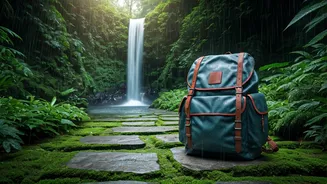
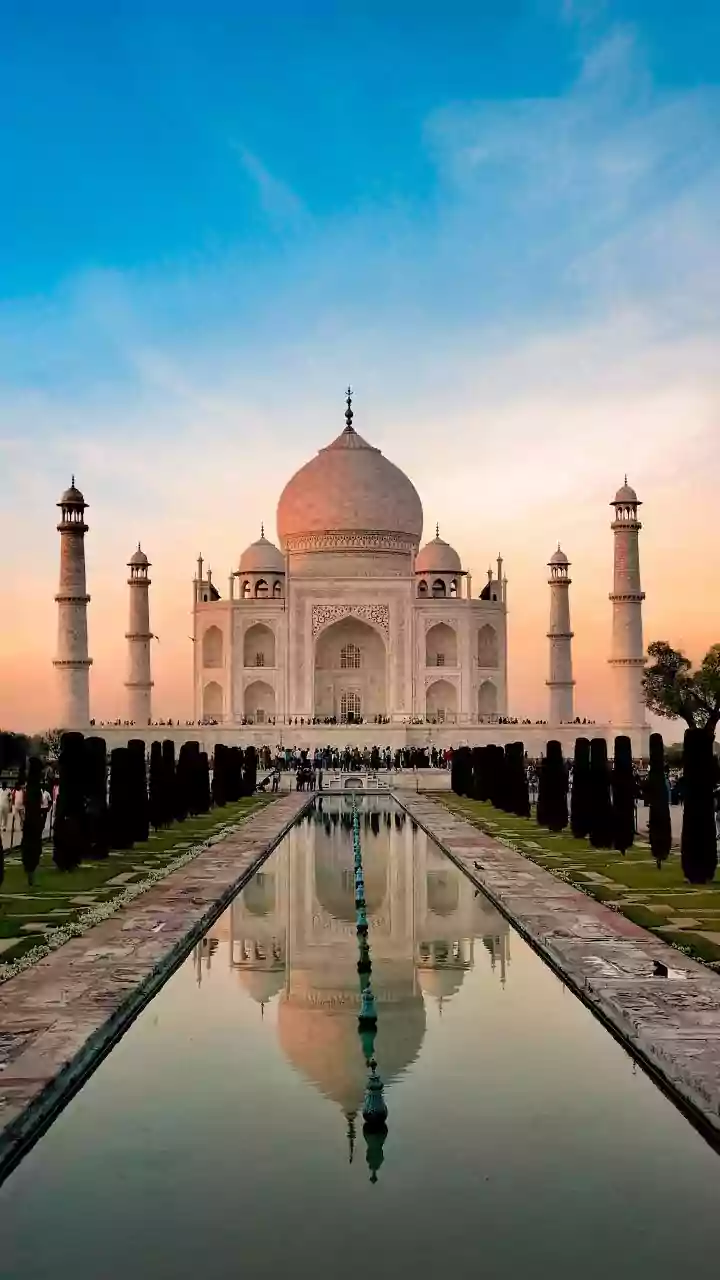
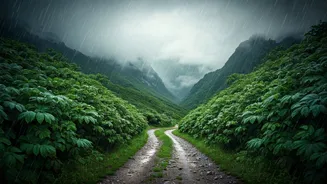
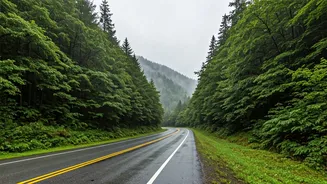
While the discounts get them in the door, many young travelers are discovering that the appeal of monsoon travel goes far beyond the bottom line. The biggest luxury isn’t a cheaper room, but the absence of crowds. Imagine having the temples of Angkor Wat or the backwaters of Kerala almost to yourself, free from the jostling elbows and selfie sticks that define peak tourist season. The experience becomes more intimate and authentic. Locals are often more relaxed and welcoming when not overwhelmed by hordes of visitors. Furthermore, the landscape itself transforms. The rain washes away the dust of the dry months, blanketing everything in a vibrant, almost electric green. Waterfalls that were mere trickles become roaring torrents, and the dramatic, moody skies offer a completely different photographic palette than endless blue. It’s a sensory trade-off: swapping the guarantee of sun for the promise of solitude and staggering natural beauty.
Embracing the Reality of the Rain
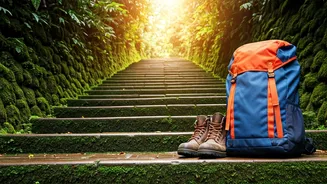
Of course, it’s called the rainy season for a reason. This isn’t a trip for the unprepared or the sun-worshipper who believes a day without a tan is a day wasted. The reality involves intense, often daily, downpours. These aren’t usually all-day events; more often, they are powerful afternoon storms that can be planned around. But they can also bring travel disruptions. Ferry services to islands may be canceled, hiking trails can become impassable mud pits, and rural roads might be temporarily flooded. Humidity is a constant companion, and the risk of mosquito-borne illnesses can increase. Success requires a shift in mindset. Instead of fighting the weather, you learn to work with it. Mornings are for exploring, afternoons are for reading a book in a cozy café while the storm passes, and evenings are for enjoying the fresh, clean air. It’s about packing quick-dry clothing, waterproof bags for electronics, and a healthy dose of flexibility.
Hotspots for a Wet Adventure
Not all monsoon destinations are created equal. Some places shut down almost entirely, while others have built an entire culture around the rains. India’s state of Kerala is a prime example; the monsoon is considered the best time for traditional Ayurvedic treatments, as the moist, cool air is believed to help the body absorb the therapies. In Thailand, travelers in the know skip the hard-hit Andaman coast (Phuket, Krabi) and head to the Gulf coast (Koh Samui, Koh Phangan), which has a different, less severe rainy season. Cambodia and Vietnam see fewer crowds at their iconic sites, offering a more contemplative experience for those willing to pack a poncho. The key is research. Understanding the specific weather patterns and what remains open is crucial for planning a successful off-season trip.