




Beyond Dosa and Idli
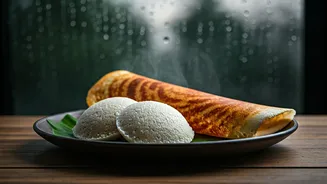
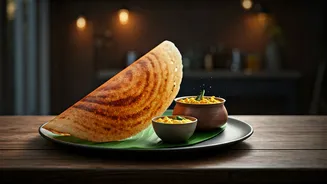
For many Americans, Indian fermented food begins and ends with the familiar spongy idli cakes or the crispy, tangy dosa crepe. While delicious, they represent just the tip of a vast and diverse culinary iceberg. For centuries, every region of India has
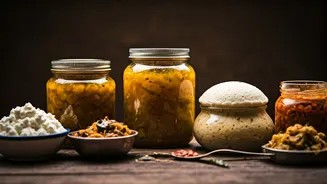
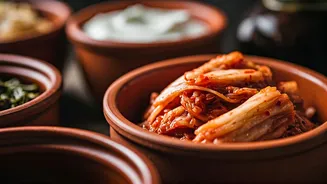
cultivated its own unique ferments, driven by local climates, available ingredients, and the simple need to preserve food and enhance nutrition. There's the jet-black, carrot-based probiotic drink from the north called kanji, which makes a Bloody Mary look tame. In the south, you have appam, a delicate, bowl-shaped pancake made from fermented rice batter and coconut milk. Go east to Bengal, and you’ll find panta bhat, a humble dish of fermented leftover rice that’s a traditional coolant in sweltering summers. This isn't a niche practice; it's a foundational pillar of Indian cuisine that’s been passed down through generations, often by grandmothers who mastered the art of harnessing wild yeasts and bacteria long before it was fashionable.
The Science of Tradition
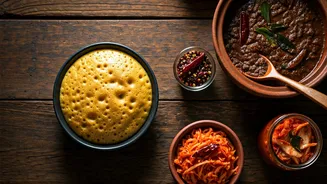
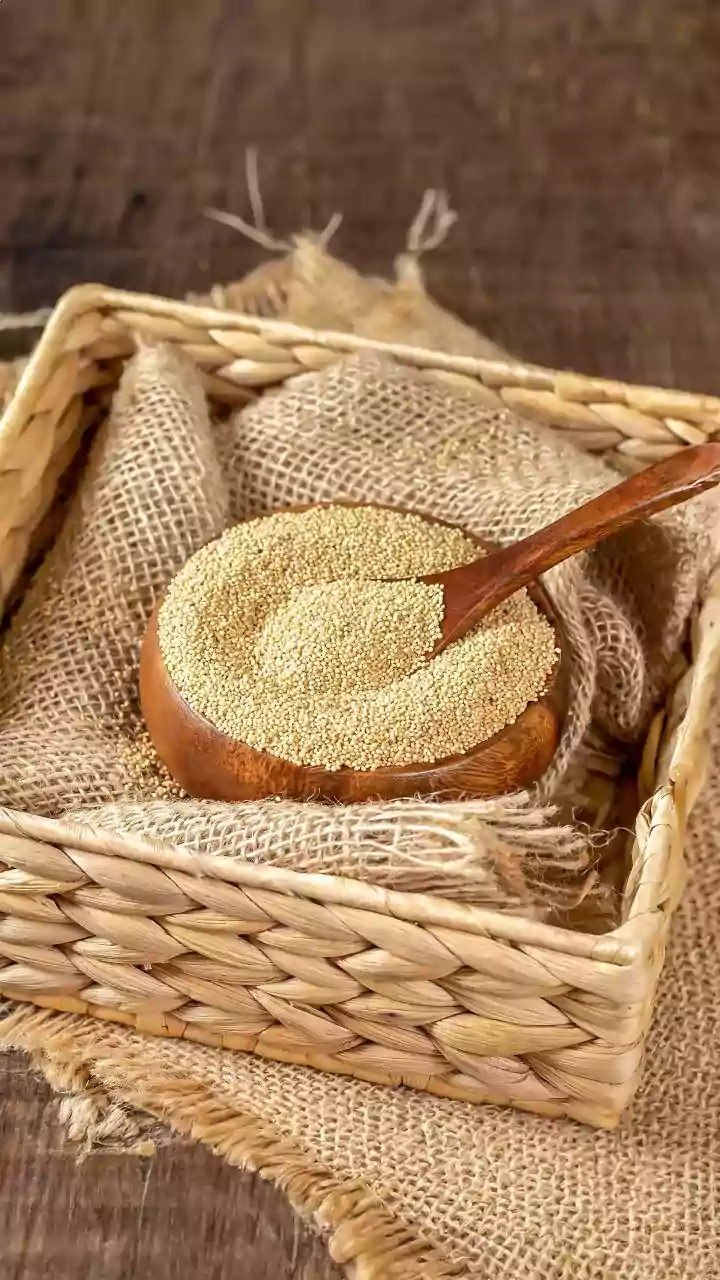
What those grandmothers knew intuitively, modern science is now enthusiastically confirming. The global wellness community's obsession with gut health and the microbiome has created the perfect context for India’s fermented food revival. These foods are naturally teeming with probiotics—beneficial bacteria that support digestion, boost immunity, and may even impact mental health. The fermentation process also breaks down anti-nutrients and complex compounds in grains and legumes, making vitamins and minerals more bioavailable. In other words, fermenting a lentil batter for dhokla (a savory steamed cake from Gujarat) doesn't just make it fluffy; it unlocks more nutritional value. This scientific validation has given the revival a powerful tailwind, transforming what was once seen as simple, rustic home-cooking into a sophisticated, health-forward culinary practice.
From Kitchens to Commerce
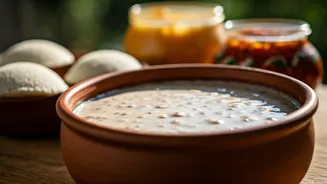
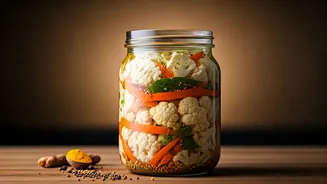
This revival isn’t just happening in home kitchens. It's a full-blown commercial movement. Across India's bustling cities, a new wave of entrepreneurs, chefs, and nutritionists are championing these traditions. Startups are bottling and selling artisanal kanji and buttermilk (chaas), marketing them as indigenous alternatives to sugary sodas and imported kombuchas. High-end restaurants in Mumbai and Delhi are building entire tasting menus around fermentation, reinterpreting ancient recipes with modern flair and elevating them to fine-dining status. Even social media is playing a role, as food bloggers and influencers share recipes for homemade pickles (achar) and fermented porridges, introducing these practices to a younger, urban audience that may have lost touch with them. This commercialization is making a powerful statement: that India's culinary heritage is not a relic of the past, but a living, breathing tradition with enormous contemporary relevance and market potential.
A Taste of Cultural Reclamation
Ultimately, the fermented food revival is more than a health fad or a business opportunity. It’s a form of cultural reclamation. In a country that has seen a rapid influx of processed, Western-style fast foods, turning back to traditional foodways is a conscious act of identity. It’s about celebrating regional biodiversity over monoculture, slow food over fast food, and ancestral wisdom over industrial manufacturing. For many Indians, both at home and in the diaspora, preparing a family recipe for a fermented dish is a way to connect with their roots and preserve a piece of their heritage. It’s a quiet but potent rejection of a homogenized global diet, and an embrace of something uniquely, deliciously their own. This movement reminds us that sometimes the most innovative thing you can do is honor the past.