


The Tyranny of the To-Do List
For decades, the standard American vacation often resembled a military operation. You had your targets: the Eiffel Tower, the Colosseum, the Great Wall. The goal was to capture proof of being there—a photo, a souvenir, a checked box—before moving on to the next
objective. This “checklist holiday” was born from a perfect storm of limited vacation days, the falling cost of air travel, and a social pressure to see the world's most famous sights. The result? A trip so packed with activity that many of us returned home feeling like we needed a vacation from our vacation. The experience was often more about consumption than connection. You saw the Mona Lisa from 30 feet away, over a sea of smartphones. You ate at the restaurant right next to the main attraction, paying top dollar for a forgettable meal. It was efficient, yes, but was it fulfilling? For a growing number of travelers, the answer is a resounding no.
The Rise of the Temporary Local
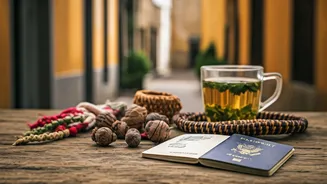
Enter the counter-movement: slow travel. This isn’t necessarily about spending a month in one place (though it can be). At its core, slow travel is a mindset. It’s the deliberate choice to trade a packed itinerary for a deeper, more meaningful connection with a single place. It’s about becoming a “temporary local.”
Instead of sprinting through three cities, a slow traveler might pick one neighborhood in one city and truly get to know it. They might spend a morning at a single café, watching the world go by. Their goals are different. The main objective isn't to see a famous landmark, but to understand the rhythm of a place. This could mean taking a local cooking class, shopping at a neighborhood farmers' market, renting a bike to explore without a destination, or simply leaving entire afternoons unscheduled to allow for spontaneous discovery. It prioritizes experience over itinerary, quality over quantity.
What's Driving This Shift?
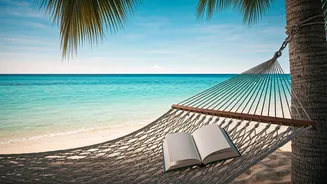
This isn’t just a niche trend for retirees and backpackers anymore. Several cultural currents are pushing mainstream travelers toward a slower pace. First, there's digital burnout. Our daily lives are hyper-optimized and scheduled to the minute. The last thing many people want is a vacation that mirrors that same relentless pressure. A slow trip offers a genuine escape from the cult of productivity.
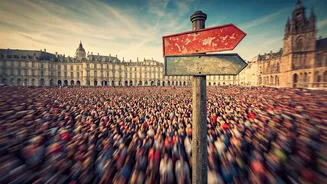
Second is the backlash against overtourism. We've all seen the images of crowds overwhelming Venice or Barcelona. Thoughtful travelers are increasingly aware of their impact and are seeking ways to visit places more sustainably and respectfully. Spreading out into less-trafficked neighborhoods and visiting during the off-season are key tenets of the slow travel philosophy.
Finally, there’s the search for authenticity. In a world of curated Instagram feeds, there’s a growing hunger for real, unscripted moments. A perfect photo in front of a landmark feels less valuable than the imperfect, hilarious memory of trying to order coffee in a language you don’t speak. Travelers want stories, not just snapshots.
How to Embrace a Slower Pace
Making the switch doesn’t require a bigger budget or more time off. It just requires a change in perspective.
Start by fighting the Fear of Missing Out (FOMO). Accept that you cannot see and do everything. That’s okay. A rich experience in one place is more memorable than a shallow experience in five. On your next trip, consider picking just one or two “must-do” activities and build your days loosely around them. Research one neighborhood and make it your home base. Ask a local shopkeeper for a restaurant recommendation instead of relying on the top-rated site online.
The ultimate goal is to leave room for serendipity. The best travel moments are rarely on the itinerary. They’re the detours, the unexpected conversations, and the quiet discoveries you make when you finally stop rushing to the next thing on your list.