


The First Face: Dry Heat and Dependable Sun
For many, June in states like Arizona, Utah, and New Mexico is the epitome of a desert vacation. The first half of the month typically delivers on this promise with relentless sunshine, vast blue skies, and searing, dry heat. This is the predictable side
of June's personality. Days are long, and weather forecasts are straightforward, making it easy to plan activities from sunrise to sunset. Travel during this period is about managing the heat. Early morning hikes are essential to see iconic landscapes before temperatures climb into the triple digits. By midday, the savvy traveler is seeking refuge indoors, exploring museums, enjoying a long lunch, or relaxing by a hotel pool. The primary dangers are dehydration and heat exhaustion. It’s a time of stark, sun-bleached beauty, where the challenge isn't the weather's volatility, but its powerful consistency.
The Second Face: The Monsoon’s Dramatic Arrival
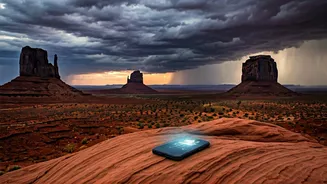
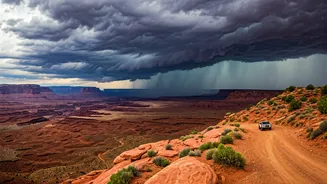
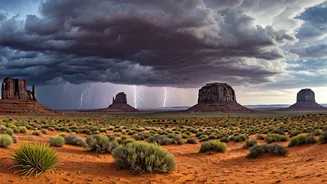
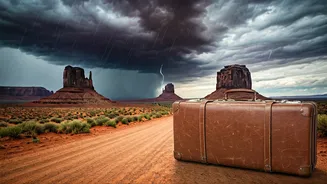
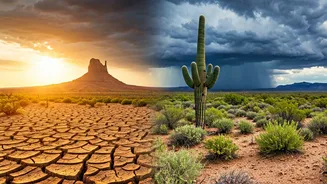
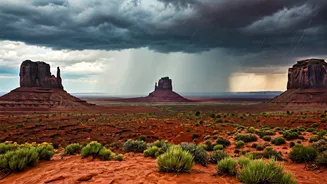
When the North American Monsoon arrives—sometimes weeks earlier than its historical July start—it introduces the month’s second, more volatile personality. This isn’t a gentle spring shower. The monsoon is a seasonal wind shift that pulls moist, tropical air from the south. The result is a dramatic increase in humidity, the build-up of towering afternoon thunderheads, and sudden, intense downpours. The entire character of a day changes. A crystal-clear morning can give way to a dark, turbulent afternoon. The air, once bone-dry, becomes thick and heavy. The landscape, parched for months, is suddenly drenched. This shift doesn’t just change the forecast; it fundamentally alters what is possible, and what is safe, for a traveler in the region.
The Risks: Flash Floods and Lightning Strikes
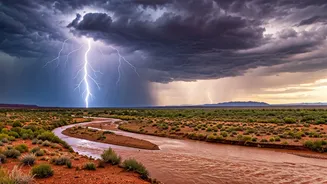
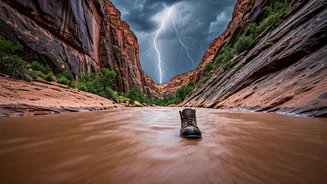
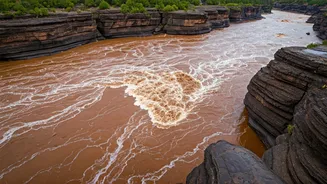
The monsoon’s arrival brings serious, non-negotiable risks. The most significant danger is flash flooding. The hard-baked desert soil can’t absorb intense rain quickly, so water rushes into low-lying areas, turning dry creek beds (arroyos) and narrow slot canyons into deadly torrents in minutes. A storm happening miles away in the mountains can send a wall of water downstream to an area still bathed in sunshine. This is why the rule “When it rains, seek high ground” is a matter of life and death. Lightning is another major threat. With the high desert terrain, hikers on exposed ridges or overlooks become prime targets. Afternoon thunderstorms often bring a barrage of lightning strikes, making open areas extremely dangerous. Any outdoor activity, from hiking in the Grand Canyon to exploring the red rocks of Sedona, must be planned with a close eye on the afternoon forecast and a willingness to turn back early.
The Rewards: Cooler Air and Epic Skies
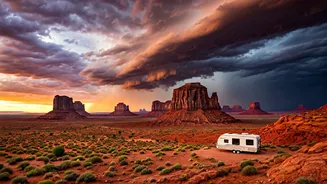
Despite the dangers, the monsoon season is considered by many locals to be the most beautiful time of year. The afternoon rains break the oppressive heat, often dropping temperatures by 20 degrees or more in under an hour. The smell of rain on dry creosote bushes fills the air with a scent that is uniquely Southwestern. For photographers and nature lovers, this is prime time. The clouds create a celestial drama that’s absent in early June, painting the sky with texture and shadow. Sunsets and sunrises become spectacular events, with the clouds catching the light in brilliant shades of orange, pink, and purple. The desert, briefly quenched, comes alive with a vibrancy that’s missing during the dry season. The monsoon reveals a softer, more dynamic side of the desert landscape.
How to Plan for a Two-Faced Trip
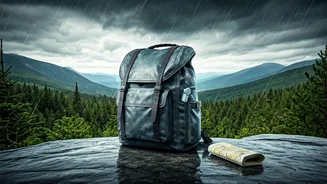
So how do you pack for a trip that could be either scorching and dry or humid and stormy? The key is preparation and flexibility. First, plan all strenuous outdoor activities for the early morning, regardless of the forecast. Be off the trail and back to safety by early afternoon, when storms are most likely to build. Second, always check the daily forecast from a reliable source like the National Weather Service before heading out, paying special attention to flash flood warnings. Third, have backup plans. Know what indoor attractions, galleries, or restaurants you can pivot to if the weather turns. Finally, pack for both personalities: bring lightweight layers, a wide-brimmed sun hat, and sunscreen, but also include a reliable rain jacket. Don't let the word “desert” fool you into leaving your waterproof gear at home.