


1. Multi-Functional Furniture Goes Mainstream
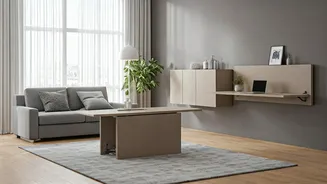
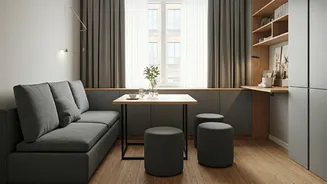
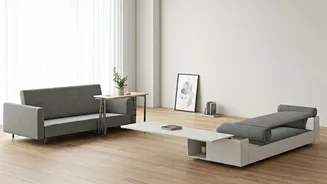
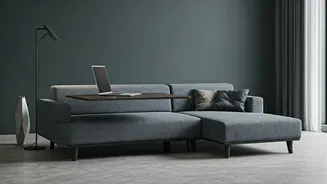
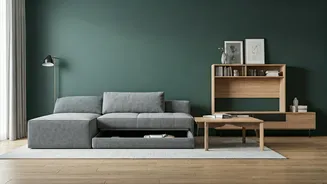
The era of the clunky, uncomfortable futon is over. Today’s multi-functional furniture is engineered for both style and substance. Think coffee tables that seamlessly lift and expand into dining tables for six, chic ottomans that hide a surprising amount
of storage, and modular sofas that can be reconfigured for movie night or hosting guests. Brands like Resource Furniture and Transformer Table have built their entire identity around creating pieces that are as elegant as they are adaptable. The key is transformation without compromise. A stylish sofa by day should convert into a genuinely comfortable bed by night, and a sleek console should effortlessly fold out into a workspace. This trend isn't just about saving space; it's about making the space you have work harder for you, ensuring every square foot is optimized for modern life.
2. The Art of 'Zoning'
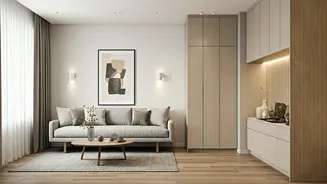
In a studio or small one-bedroom apartment, creating the feeling of separate rooms without building walls is a design masterstroke. This technique, known as zoning, uses visual cues to delineate different living areas. A well-placed area rug can anchor a living room setup, visually separating it from a dining nook. A strategically positioned open-backed bookshelf can create a sense of an entryway or divide a sleeping area from a workspace while still allowing light to pass through. Even paint can be a powerful tool; painting a nook a contrasting color can turn it into a distinct and purposeful office or reading corner. Zoning provides the psychological comfort of distinct spaces, preventing the dreaded feeling of living, working, and sleeping in one giant, chaotic room.
3. Maximizing Vertical Real Estate
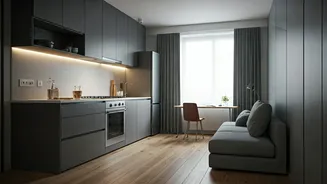
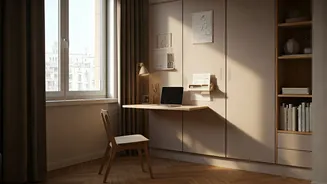
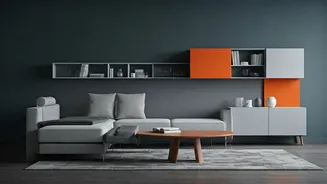
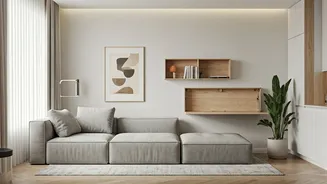
When you can't build out, build up. This old real estate adage is the new mantra for stylish small-space dwellers. Walls are no longer just for hanging art; they are prime real estate for storage and function. Floor-to-ceiling shelving units draw the eye upward, creating an illusion of height while offering immense storage capacity. Wall-mounted desks fold away when not in use, freeing up precious floor space. In the kitchen, magnetic knife strips and hanging pot racks clear countertops, making the room feel larger and more organized. The goal is to get items off the floor and surfaces, which not only declutters the space but also makes it feel more open, airy, and intentional.
4. Strategic Use of Light and Mirrors
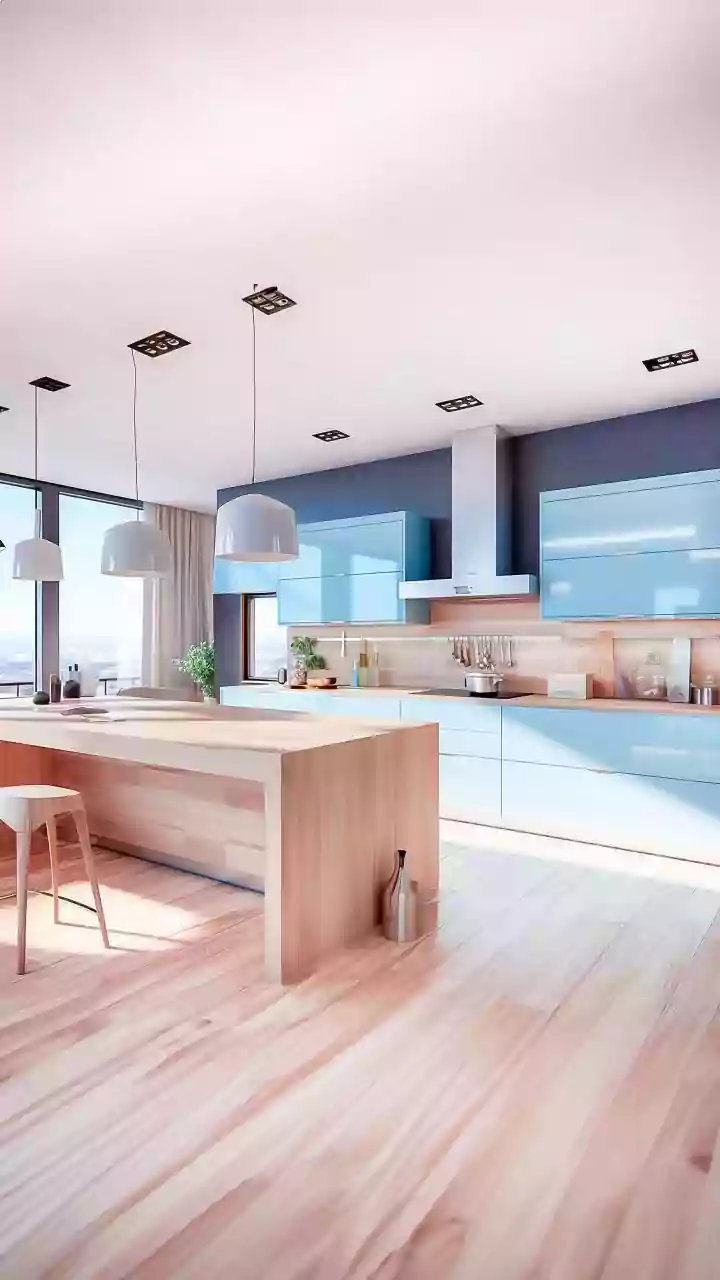
Interior design's oldest trick for making a room feel bigger remains its most effective. A large mirror can visually double the size of a space, reflecting light and creating a sense of depth. Placing a mirror opposite a window is particularly effective, as it bounces natural light around the room. Beyond mirrors, the right lighting scheme is critical. Instead of a single, harsh overhead fixture, a layered approach works best. A combination of ambient lighting (like a main fixture), task lighting (a reading lamp or under-cabinet lights), and accent lighting (to highlight art) creates a warm, inviting, and dynamic environment that feels far more expansive than its dimensions suggest. Light, bright paint colors—whites, soft grays, pale blues—also work to reflect light and push the walls out visually.
5. Embracing Quality Over Quantity
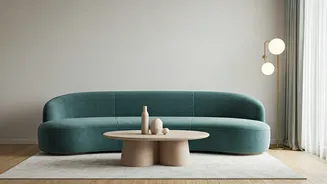
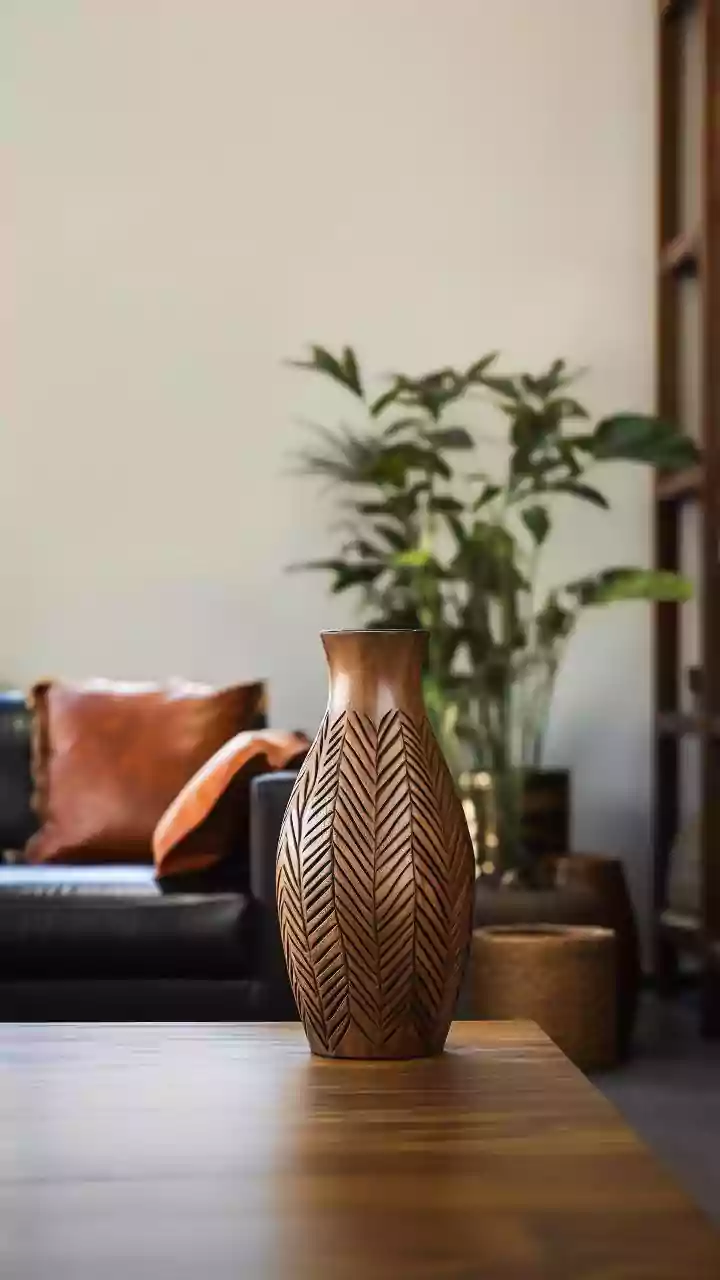
Perhaps the biggest upgrade to compact living is philosophical. The new approach champions a 'less, but better' mindset. When you have limited space, every single item must earn its place. This encourages a shift away from disposable, trend-driven purchases and toward investing in high-quality, durable, and beautiful pieces that you truly love. A single, well-made armchair that fits perfectly in a corner is better than a bulky sofa that overwhelms the room. A curated collection of personal objects is more impactful than an array of clutter. This intentionality is the secret ingredient; it transforms a small space from something you have to manage into a curated sanctuary that perfectly reflects your taste and lifestyle.