





A Tangible Escape from Abstract Work
Much of modern corporate work is intangible. We move items on a project board, edit text in a shared document, and attend meetings about future meetings. At the end of the day, it can be difficult to point to a concrete accomplishment. This is where gardening
provides a profound sense of satisfaction. The work is physical and real. You can feel the soil, see the water absorb, and touch the leaves. The feedback loop is immediate and honest: a plant either thrives or wilts. This direct connection to a tangible outcome is a powerful counterbalance to a career spent in spreadsheets and slide decks. It’s a return to a fundamental human activity—nurturing life—and provides a sense of grounding that digital work simply cannot offer.
Small Space, Big Psychological Returns
The phrase “productive garden” might conjure images of sprawling backyard plots, but the real magic lies in its scalability. For the apartment-dwelling professional, a “tiny” garden is not a compromise; it’s the entire point. A few pots on a balcony, a window box of herbs, or a small vertical planter can become a powerful focal point for mindfulness. The constraints of a small space force you to be intentional. You choose your plants carefully and tend to them with focus. This act of concentrating on a single, manageable task is a form of meditation. It quiets the background noise of looming deadlines and overflowing inboxes, allowing your mind to reset. Research consistently shows that even brief interactions with nature can lower cortisol levels, reduce stress, and improve mood.
The Joy of a Low-Stakes ROI
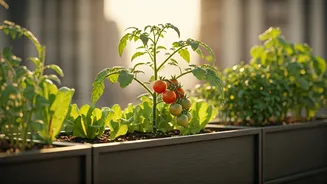
In the corporate world, return on investment is everything, and the pressure is always on. A garden offers a different kind of productivity—one that is joyful and low-stakes. When your “deliverable” is a handful of fresh basil for your pasta, a few mint leaves for a cocktail, or a single ripe tomato that actually tastes like a tomato, the reward is both personal and delicious. This isn’t about maximizing yield; it's about experiencing the simple delight of creating something you can use. This form of productivity is restorative, not draining. It teaches a different kind of patience and planning, one governed by sunlight and seasons rather than quarterly reports. Successfully growing a single cherry tomato plant provides a feeling of competence and self-sufficiency that can be a welcome boost after a challenging week at the office.
Your First Weekend Project Plan
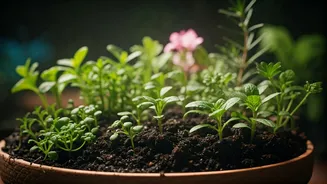
Getting started is simpler than you think and can be accomplished in a single afternoon. Forget complex botany and think in terms of quick wins. 1. **Choose your location:** A sunny windowsill, a balcony railing, or a small patch of patio that gets 4-6 hours of sun is perfect. 2. **Select your containers:** Almost any container with drainage holes will work. A standard 8-10 inch pot is great for a single herb or a small lettuce plant. 3. **Get the right soil:** Don't use dirt from outside. Buy a bag of high-quality potting mix, which is formulated to provide the right balance of drainage and nutrients for container plants. 4. **Pick easy-to-grow plants:** Start with seedlings from a local nursery to speed things up. Excellent choices for beginners include mint (keep it in its own pot!), basil, parsley, chives, or a pot of mixed leaf lettuce. These are forgiving and grow quickly, giving you that rewarding sense of progress.